The afternoon sun was perfect. It cast a golden, cinematic glow over the sprawling lawns of the Green Valley Estate. From where I stood in the manicured driveway, clutching my vintage beaded purse, the venue looked exactly as the glossy brochure had promised: a fairy-tale palace. I smoothed the skirt of my dusty-pink silk dress—the one I had preserved for years, saving it for this exact day. I adjusted the pearl necklace that had belonged to my mother, feeling the cool, familiar weight against my collarbone. A hint of expensive French perfume, used only for the most monumental occasions, wafted around me. My oldest granddaughter, Clara, was getting married. My heart swelled with a profound, almost overwhelming pride. I still remembered the scent of baby powder when I changed her diapers. I remembered the messy afternoons in my kitchen, teaching her how to bake Robert’s favorite rice pudding. And now, my little girl was about to walk down the aisle. I wanted Clara to see me today not just as her grandmother, but as a vibrant, happy woman. A matriarch. I paid the cheerful taxi driver, tipping him generously. “You look fancy, ma’am,” he smiled. “Heading to a big party?” “The biggest,” I beamed. “My granddaughter’s happiest day.” I turned and walked toward the grand wrought-iron gates. The air was filled with the soft, elegant melody of a string quartet playing in the distance. The scent of hundreds of white floral arches perfumed the breeze. Two hundred guests—family, friends, neighbors—were arriving, dressed to impress, laughing and chatting as they flowed toward the entrance.
Several guests recognized me, offering warm smiles and compliments on the breathtaking venue. I nodded graciously, feeling a quiet sense of ownership over the beauty surrounding us. Because I hadn’t just been invited to this wedding. I had built it. For the past six months, my son, Richard, and his wife, Susan, had made my living room their second home. They would sit on my velvet couch, drinking the coffee I brewed, speaking in soft, calculated, desperate tones. “You know, Mom, the economy is so tough right now,” Richard would sigh, running a hand through his perfectly styled hair. “We just want Clara to have her dream wedding,” Susan would add, her eyes wide and pleading. “She deserves to feel like a princess, Denise. But we simply can’t afford it.” Naively, blindly, I had opened my heart—and my checkbook. “How much does a dream wedding cost?” I had asked. They had shown me the brochure for Green Valley. The catering included fresh lobster. The floral arrangements cost more than my first car. Clara’s custom designer gown was astronomically priced. And I paid for every single dollar. Over $100,000. All drawn from the careful savings my late husband, Robert, had left to ensure I could live comfortably and help the family when truly needed. I signed the vendor contracts. I managed the wire transfers. My name, Denise Parker, was printed on every single receipt and invoice. I approached the main entrance, my heart light. Richard and Susan were standing near the grand archway, greeting the arriving guests. My son looked impeccably sharp in a tailored tuxedo. Susan sparkled in a bright emerald-green gown that caught the sunlight a bit too aggressively. “Richard, my boy,” I smiled, stepping forward, my arms open to hug him. “Everything looks absolutely wonderful.” He didn’t step forward to meet my embrace. He didn’t even smile.
His eyes, when they met mine, were cold. Incredibly, terrifyingly cold. They were the eyes of a stranger looking at an inconvenience. Susan immediately turned her back, pretending to be deeply engrossed in adjusting a floral arrangement on a nearby pedestal. “Mom,” Richard said, his tone icy and flat. “What are you doing here?” I let out a short, confused laugh, my arms slowly dropping to my sides. “What am I doing here? Richard, it’s a joke, right? I came to my granddaughter’s wedding.” Richard didn’t laugh. He turned to the professional receptionist standing behind a velvet rope and snatched the leather-bound guest list from her hands. He held it up, looking at it for a long, agonizing moment. The string quartet seemed to fade. The chatter of the two hundred guests bottlenecking behind me suddenly died down. “Your name,” Richard said, his voice carrying clearly in the sudden silence, “isn’t on the list.” My smile completely vanished. The warm afternoon air suddenly felt freezing. “What do you mean, Richard? What kind of joke is this?” “It’s not a joke,” he said curtly, his jaw tight. “Probably a mistake in the invitation process.” “A mistake?” I echoed, my voice trembling, rising slightly in disbelief. “I paid for the invitations, Richard. I sat at my dining table and helped Susan double-check this exact list to make sure no one was forgotten!”
Shame ignited across my face, burning like physical fire. I looked at Susan. She had turned back around. She wasn’t fixing flowers. She was looking right at me, and she was smirking. A tiny, triumphant, cruel smirk. I looked around. Every single eye was on me. My longtime neighbor, Mrs. Gable, covered her mouth in shock. My nephew stared intently at his shoes. Two hundred people, and not a single one stepped forward. Not a single voice rose in my defense. In front of the entire world, I was being treated like a delusional intruder at a party I had entirely funded. I took a deep, shaky breath. I had lived seventy-two years with dignity. I would not let an ungrateful child strip me of it on a gravel driveway. I straightened my posture. I touched my mother’s pearls. And I looked straight into my son’s dead, cold eyes. “All right, sweetheart,” I said, my voice eerily calm, projecting clearly for the crowd to hear. “If I am a mistake, I apologize for the inconvenience.” I didn’t wait for his reply. I turned around. The crowd of two hundred people silently parted, stepping aside as if my pink silk dress was contagious. I walked back down the long driveway, under the floral arches I had bought, listening to the music I had selected, leaving behind the fairy tale I had built.

The taxi driver was still waiting by the curb, sensing something was wrong. “Did you forget something, ma’am?” he asked gently.
I opened the door and slid into the back seat, staring blankly at the iron gates.
“Yes,” I whispered to the empty air. “I forgot what kind of son I raised.”
The ride home was suffocatingly silent.
Anger and humiliation sat like lead weights in my chest, too heavy, too dense even for tears. I stared out the window, watching the city blur past, realizing the horrific truth. They had used me. They had drained every ounce of kindness, every drop of my savings, and tossed me into the trash the moment I was no longer financially useful. They didn’t want a grandmother in their photos; they were ashamed of my age, but not of my wallet.
When I finally unlocked the door to my apartment, the silence inside felt painful. The dusty-pink silk dress, my mother’s pearls—it all felt utterly ridiculous now. A costume for a play I wasn’t cast in.
I walked into my bedroom, unzipped the dress, and let it fall to the floor in a heap. I didn’t pick it up.
My eyes drifted to the framed photo of Robert on the nightstand. My strong, fiercely protective husband. If Robert had been alive today, he would have walked right up to those iron gates, looked Richard in the eye, and said, “You are no son of mine.”
But Robert was gone. There was only me.
I could have crumbled. I could have crawled into bed, taken a sleeping pill, and surrendered to the grief of a discarded mother.
But the woman who came home that night was not the same Denise who had happily hailed a taxi hours earlier. The public execution of my dignity had burned away the soft, accommodating grandmother. It had awakened someone else.
It woke up the Denise Parker who had run a massive logistics company alongside her husband for a decade. The woman who negotiated ruthless union contracts, who balanced corporate ledgers down to the last cent, and who knew the absolute, uncompromising value of leverage.
I didn’t cry. I put on my comfortable slacks, walked straight into my home office, and opened the locked filing cabinet.
I pulled out a thick, cream-colored folder labeled CLARA’S WEDDING.
Inside was the ammunition. The Green Valley Estate contract bearing my signature. The catering invoices addressed to my name. The receipts for the floral arrangements. And the bank statements proving every single wire transfer had originated from my personal account.
I picked up the phone and dialed a number I knew by heart.
Martin Hayes had been my legal advisor, and Robert’s closest friend, for thirty years. He answered on the second ring.
“Mrs. Parker,” Martin’s warm voice greeted me. “What a coincidence. Today is Clara’s big day, isn’t it? I thought you’d be dancing.”
I smiled, though my reflection in the dark window looked like carved stone. “Martin. I need the best attorney you can be, in my living room, tomorrow morning at 9:00 AM.”
A pause. The lawyer in him instantly sensed the shift in my tone. “Do you have five minutes now? I have the whole evening. Denise, what happened?”
“I was asked to leave the wedding I paid for,” I said, my voice devoid of emotion. “My son and daughter-in-law think they can take my money and treat me like garbage on the street.” I placed my hand flat on the cream-colored folder. “I need you to help me fix that.”
“I’ll be there at 8:30,” Martin said grimly.
I hung up the phone and sat in my leather chair. The humiliation still burned, but it was being rapidly consumed by the cold, calculating fire of a plan. Richard thought he had humiliated me by locking me out of a party. He had no idea I was about to lock him out of his entire life.
I didn’t sleep that night. I sat in the dark living room, drinking black coffee. When the sun finally rose, the doorbell rang.
Martin stood there in his weekend clothes, holding a briefcase. He was Richard’s godfather. When he saw the cold, hard expression on my face, he froze in the doorway.
“Good Lord, Denise,” he breathed. “Sit down.”
“I’m fine,” I said, pointing to the dining table. “The files are already laid out.”
Martin sat down and began to review the documents. I stood by the window, watching the neighborhood wake up. It was a beautiful Sunday. I should have been at a fancy hotel brunch, laughing with Clara about the wedding cake.
“Denise,” Martin’s voice pulled me back. He tapped the paperwork. “I see the contracts. The receipts. Everything is legally in your name. You paid from your personal account. Under the law, you are the sole owner and host of that event.”
I laughed bitterly. “The host? Escorted off the property. How ironic.”
“It’s not just ironic, it’s actionable,” Martin said, his eyes darkening with anger on my behalf. “We can sue for severe emotional distress. You have two hundred witnesses who saw you publicly humiliated. What do you want to do?”
I turned away from the window and looked at Martin. “What do you think I want, Martin? An apology? A compensation check written with the very money I gave them?”
I walked over to the table and leaned down. “They didn’t just insult me. They showed me their truth. They never saw me as a mother. To them, I am a wallet. And when a wallet is empty, or when it ruins their aesthetic, they close it.”
I walked out of the room, into Robert’s old office, and opened the heavy floor safe. I pulled out a second folder. A bright blue one.
I walked back and dropped it onto the table in front of Martin.
“This,” I said quietly, “is rediscovered power.”
Martin opened the blue folder. He blinked, reading the first document. “These are property deeds.”
“One is for the luxury three-bedroom apartment Richard and Susan currently live in,” I stated. “The other is the beachfront property they use for their summer vacations.”
Martin looked up, stunned. “Everything is in your name.”
“Of course it is,” I said. “I bought them as investments. Richard complained rent was too high in the city, so I let them live there. No lease. No rent. They’ve been there for ten years. They have never paid a dime in property tax or HOA fees. I pay it all.”
Martin swallowed hard. “And the cars?”
“The gray SUV Richard drives to his agency, and the convertible Susan takes shopping. Both registered to my LLC,” I replied.
Martin slowly closed the blue folder, leaning back in his chair, looking at me with a mixture of awe and slight terror. “Denise Parker. What exactly do you want me to do?”
“They erased my name from their guest list,” I said, staring at the blue folder. “Now, it’s my turn to erase them from my payroll.”
I laid out the strategy. A formal, thirty-day eviction notice posted on their apartment door the day they returned from their honeymoon. The locks on the beach house changed immediately. A registered legal demand for the immediate return of my vehicles, under threat of police report for grand theft auto.
And finally, the masterstroke. I opened my banking app on my phone. I navigated to the scheduled transfers.
Monthly Allowance. Richard Parker. $4,000.
“Susan doesn’t work. Richard’s ad agency barely covers his tailored suits,” I told Martin. “They survive on my allowance.”
I hit Cancel. The screen flashed green. Transfer Terminated.
Martin let out a low breath. “They are going to hate you, Denise.”
“They already do, Martin,” I said coldly. “They just hid it well because they needed my money. Let them hate me from afar. And broke.”
“And Clara?” Martin asked softly.
The name hit me like a physical blow. “She knew I paid for her dress. She watched me get turned away and said nothing. She chose the money. Now, she will live with her choice.”
Martin nodded, slipping the blue folder into his briefcase. “I will file the eviction notice tomorrow morning. When they land from Paris, the bailiff will be waiting.”
He left, and I was alone again. My son and daughter-in-law were currently flying across the Atlantic, sipping champagne, believing they had successfully discarded a foolish old woman.
They were headed to the City of Light. But when they returned, every single light in their comfortable, parasitic lives was going to go permanently dark.
The following fifteen days were the most bizarre, liberating days of my life.
While Richard and Susan were in Paris, eating brie and taking selfies by the Eiffel Tower, I was in New York, systematically dismantling every pillar of their privileged existence.
The fragile, heartbroken grandmother was dead. Denise Parker, the corporate strategist, had resurrected.
On Tuesday, Martin called. “Denise, the beach house locks are changed. Armed security is on site. If they approach the property, it’s criminal trespassing.”
“Perfect,” I replied, sipping my morning tea.
I didn’t stop there. I went into the “guest room”—which Susan treated as her personal storage locker for her expensive overflow wardrobe—gathered all the high-end linens and towels she had demanded I buy, and threw them in the dumpster. I took down the family portrait in the living room, the one where Susan wore her fake, triumphant smile, and shoved it deep into a closet.
In its place, I hung an old black-and-white photo of Robert and me, covered in engine grease, standing in front of our very first logistics truck.
Then came the first of the month. The day the $4,000 allowance usually hit their account.
I woke up early, made a strong pot of coffee, and sat in my armchair, waiting. I closed my eyes, picturing the exact moment the illusion shattered. Susan, wandering into a Parisian boutique, handing over her platinum card. The clerk swiping it once. Twice. “Declined, Madame.” Richard, trying to pay for an overpriced dinner, his card also declining. The sudden, suffocating panic setting in.
By late afternoon, my phone buzzed. A text message from Richard.
Mom, are you okay? The transfer didn’t go through today. Did something happen with the bank?
Not “Mom, I’m so sorry about the wedding.” Just “Where is the money?”
My fingers hovered over the keyboard. I wanted to scream at him. I wanted to unleash seventy-two hours of rage. But the strategist in me knew better. Silence is a weapon that cannot be countered.
I deleted the message. I let them sit in their Parisian hotel room, staring at their empty bank accounts, completely disoriented and terrified.
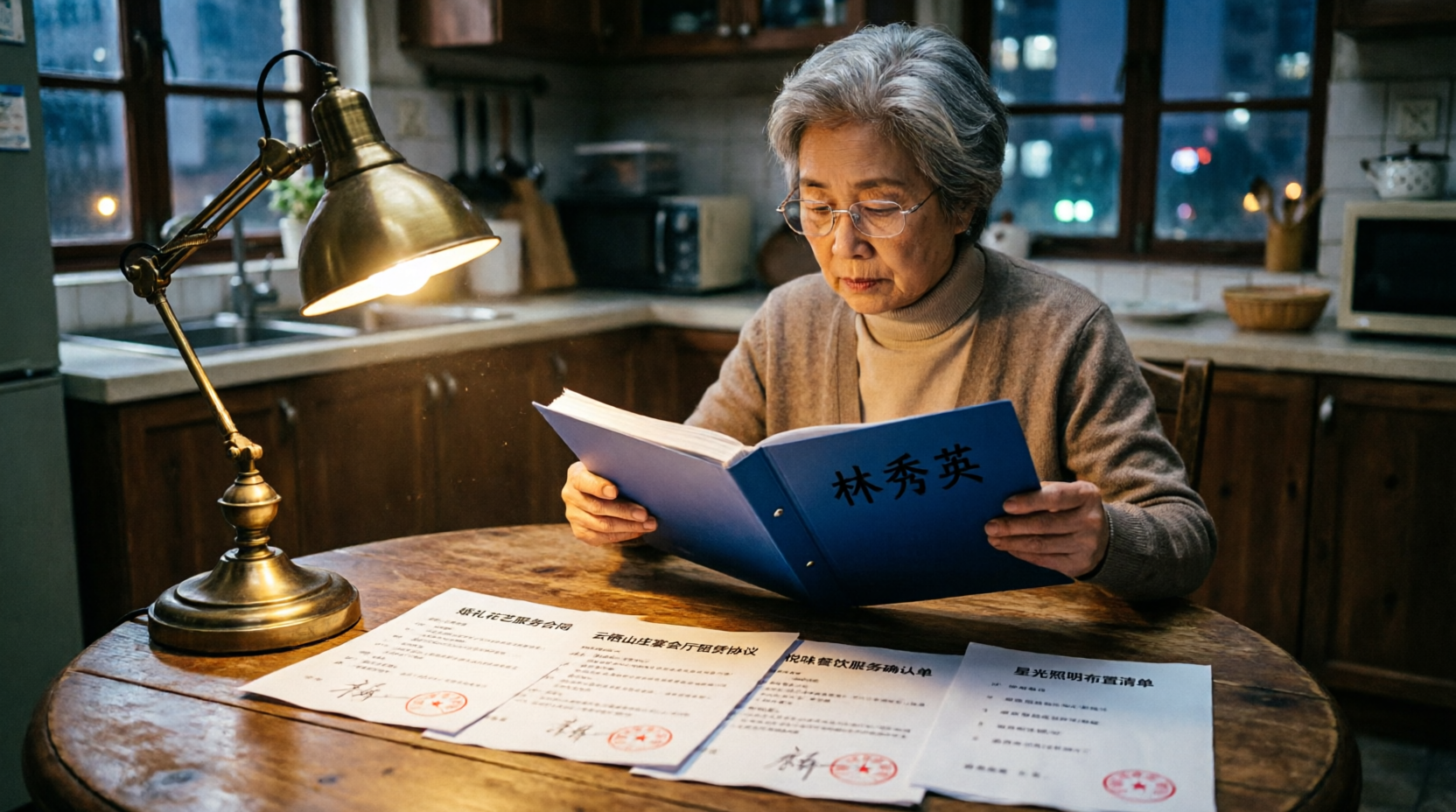
While they panicked, I thrived. I went to a high-end salon and chopped off my hair into a sharp, modern bob, dyeing it a rich chestnut that erased ten years from my face. I walked into an Apple store and bought a top-of-the-line laptop. I hired a sharp twenty-something tutor to come to my house for daily lessons on advanced financial software and digital investing.
Susan had mocked me, saying a banking app was “too complicated” for my old brain. She didn’t know that within seven days, I had successfully transferred ninety percent of my liquid assets into an ironclad, high-yield trust fund that Richard couldn’t touch with a ten-foot pole.
Finally, Sunday arrived. The day their flight landed back in New York.
I knew their itinerary. I knew they would reach their apartment building by 8:00 PM. I drew a hot salt bath, changed into luxurious silk pajamas, and sat by the phone.
At exactly 8:15 PM, it rang.
I let it ring four times before calmly picking it up. “Hello?”
“Mom! What the hell is this?!” Richard’s voice exploded through the speaker, frantic and furious. “Are you insane?! Did you kick us out of our apartment?!”
In the background, I could hear Susan screeching hysterically. “She’s lost her mind, Richard! Call the police!”
“Richard,” I said, my voice smooth and chillingly calm. “Lower your voice. I am not deaf.”
“There is an eviction notice taped to our front door! Thirty days!” he yelled. “You’re joking, right?!”
“It’s a legal notice from the court, Richard. Very serious. Not a joke.”
“You’re throwing your own son out on the street?!”
“No, I am reclaiming my property,” I corrected. “You will need to find somewhere else to live.”
A stunned, heavy silence fell over the line. He hadn’t expected this tone. He had expected tears, guilt, or confusion.
“This is about the wedding, isn’t it?” Richard’s voice shifted, suddenly adopting that oily, pleading tone he used when he needed cash. “Mom, please. That was just a misunderstanding. Susan was stressed. There was a mistake with the list…”
“A mistake?” I cut him off, my voice turning to steel. “You looked your mother in the eye and said, ‘You’re not on the list.’ You publicly humiliated me, Richard. You and your wife made me a laughingstock. But I’m grateful. Because now, I understand.”
“Understand what?”
“I understand that I no longer have a family,” I said. “I have a parasitic son and daughter-in-law who live in my house, drive my cars, spend my money, and ban me from my own granddaughter’s wedding.”
“That’s not true! We love you!” Susan shrieked into the phone.
“You love my wallet, Susan,” I replied. “But the wallet is permanently closed. The allowance is gone. And the cars? You have twenty-four hours to return them to my lawyer’s office, or I report them stolen.”
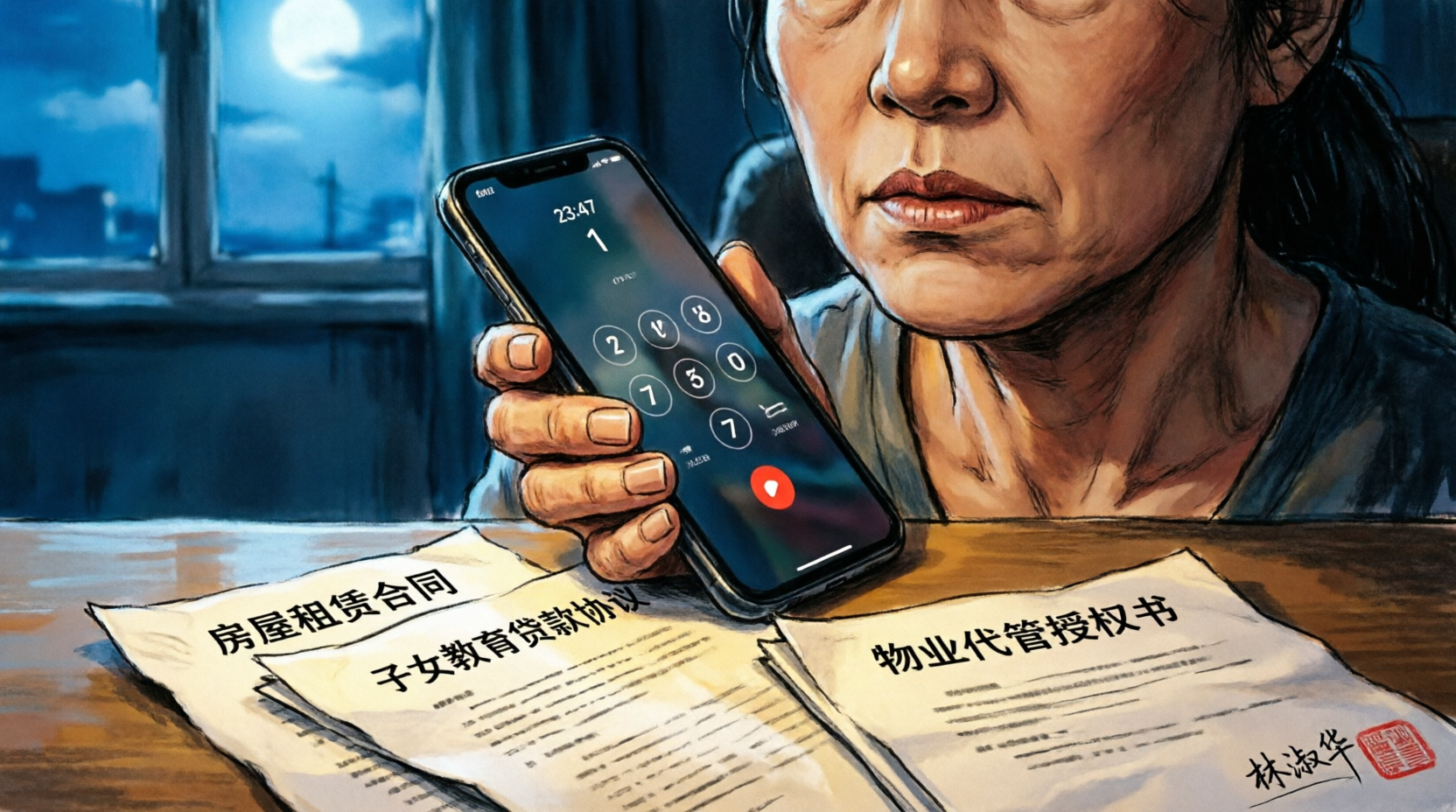
Richard lost his mind. He screamed, threatening to sue me, threatening to have me declared mentally incompetent so he could seize control of my estate.
I laughed. A sharp, genuine laugh. “Go ahead, Richard. But lawyers cost money, and yours is gone. You blocked me at the door by mistake. I am blocking you from my life by choice. You have thirty days. The clock is ticking.”
I hung up the phone and unplugged it from the wall. The silence in my apartment was the most beautiful sound I had ever heard.
The next morning, Richard decided to test my resolve. He put on his tailored suit, went down to his building’s luxury garage, and tried to drive “his” SUV to work.
The doorman, George, a man I had tipped very well for years, stopped him at the gate.
“I’m sorry, Mr. Parker,” George said politely. “I have direct orders from the owner, Mrs. Denise Parker. This vehicle is unauthorized to leave the premises. If you attempt to drive it, I am required to call the police.”
Richard threw a violent tantrum in the garage, ripping his briefcase out of the car and screaming obscenities, forced to hail a yellow cab in front of all his wealthy neighbors. Public humiliation. Checkmate.
That afternoon, Susan tried to order expensive sushi delivery. Her card declined. Richard’s card declined. They were entirely, utterly broke.
By 4:00 PM, they were desperate enough to do the one thing I knew they would. They came to my building.
I was walking back from my computer class, laptop bag over my shoulder, when I saw them standing by my building’s entrance. They looked like shipwreck survivors. Susan’s hair was messy, her designer sunglasses failing to hide her panicked eyes. Richard looked feral.
“Mom!” Richard shouted, storming toward me.
My doorman, Patrick, immediately stepped forward, but I raised a hand, stopping him.
“Richard. Susan. What a surprise,” I said coldly, standing my ground.
“Open the door. We need to talk,” Richard demanded, reaching for my arm.
I stepped back, out of his reach. “I have nothing to say to you. And you are not allowed inside my home.”
“Mrs. Denise, please!” Susan cried, her voice trembling with fake emotion. “Don’t be cruel! We were wrong! It was the receptionist’s mistake!”
“Susan, stop,” I interrupted, my voice laced with disgust. “That performance is pathetic. You stood there, watched my son turn me away, and you smiled. You thought you won. You got a $100,000 wedding and got rid of the bothersome old woman all in one day. Quite a bargain.”
Susan went pale, her mouth snapping shut.
Richard’s face contorted with rage. “You’ll regret this! You’ve lost your mind! I’m calling my lawyer right now to prove you’re senile!”
I stared at the man I had given birth to, the man who was now threatening to lock me in an asylum for cutting off his allowance.
“Lost my mind?” I smiled, reaching into my purse. I pulled out my phone and opened my investment portfolio app. I held the screen up to his face. “See this, Richard? This morning, I executed a block trade of tech stocks. I can navigate financial markets perfectly fine. What can you do besides spend my money?”
Richard stared at the screen, his eyes widening at the massive, multi-million dollar figures displayed there. Figures he had no idea existed.
“You want to sue me?” I continued, my voice echoing off the brick building. “Go ahead. But last week, I paid a top forensic psychiatrist $5,000 for an eight-page evaluation confirming I am of perfectly sound mind. Any judge will laugh your greedy lawsuit out of court.”
I leaned in closer, dropping my voice to a lethal whisper. “You two forgot who I am. You think I lived off a meager retirement fund? I kept the commercial real estate from Robert’s business. Six warehouses. One leased to Amazon. One to FedEx.”
Richard’s jaw literally dropped. The blood drained entirely from Susan’s face.
“The $100,000 I paid for Clara’s wedding?” I smiled coldly. “That’s roughly what I pay in annual property taxes. It was spare change, Richard. And you threw it in my face.”
I turned to my doorman. “Patrick. Call the police. These two are trespassing.”
“Wait, Mom!” Richard panicked, stepping forward.
“Don’t call me Mom,” I snapped, the authority of a CEO radiating from my bones. “You lost that right at the wedding gates. Now, get off my sidewalk.”
I turned and walked through the glass doors of my building, leaving them standing on the street, entirely destroyed.
As the elevator carried me up to my penthouse, my phone buzzed. An unknown number.
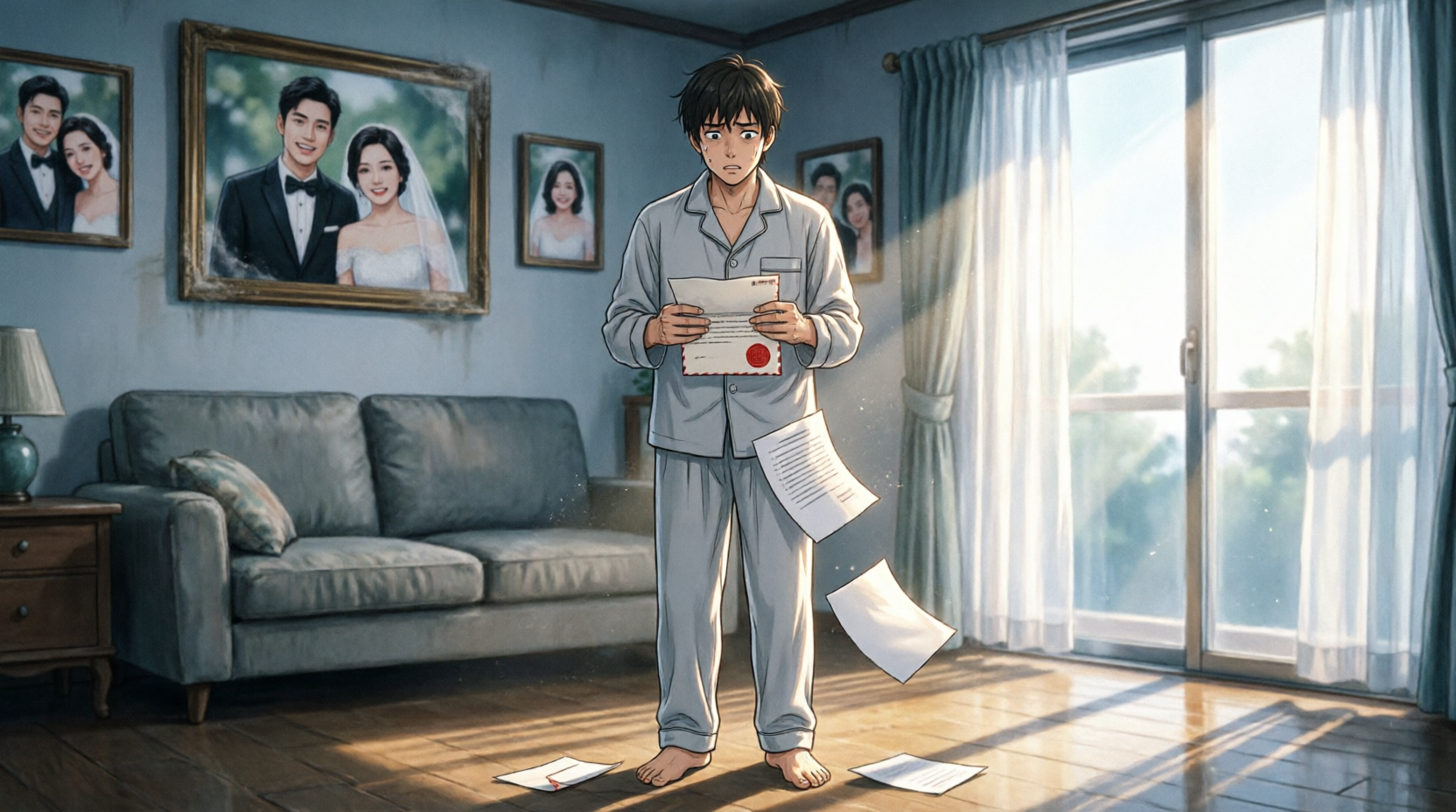
I answered. “Hello?”
“Grandma?” a small, weeping voice came through the speaker. “It’s me. Clara.”
My heart, despite the armor I had built over the last month, gave a painful, involuntary flutter.
“Clara,” I said, keeping my voice steady. “What a surprise. How was the honeymoon in Paris? Was the wedding—the one I paid for—beautiful?”
“Grandma, please,” Clara sobbed, her voice thick with panic. “What’s happening? Mom and Dad are screaming. They said you’ve lost your mind and kicked them out of their apartment. They said you took their cars.”
I walked into my living room and poured myself a glass of water. “I haven’t lost my mind, Clara. I am simply taking back what legally belongs to me. The apartment, the cars, the money—it was all mine.”
“But… is this because of the wedding?” she stammered. “Grandma, I swear I didn’t know! I was so nervous, everything happened so fast, I didn’t notice you weren’t there!”
“You didn’t notice?” I repeated, my tone turning dangerously sharp. “You didn’t see the grandmother who raised you missing from the front row? You didn’t ask your parents why the woman who bought your dress wasn’t at the reception?”
Silence stretched over the line, broken only by her muffled crying.
“No, Clara,” I said softly, but firmly. “You noticed. But you were too afraid to ruin your perfect aesthetic. Your father threw me out like a stray dog, and you stood at the altar and smiled. Then you went to Paris for two weeks, and you didn’t call me once to apologize.”
“Grandma, I’m sorry…”
“You are only calling now because your parents ran out of money,” I stated, the truth ringing clear and undeniable in the quiet room.
“Your parents chose their path, Clara. And through your silence, you chose yours. You chose the party and the luxury over me. Now, live with that choice. I love you, but the foolish grandmother who paid for everything died at the gates of your wedding.”
I hung up the phone.
The new balance of power was set in stone.
The thirty days passed. Richard and Susan couldn’t afford a lawyer, and they couldn’t afford to fight the eviction. They surrendered the keys to the apartment and the beach house on the very last day. According to my neighbor, Mrs. Martha, they had to take out a high-interest loan just to rent a cramped, one-bedroom apartment in a noisy suburb. Susan was forced to sell her designer handbags online to buy groceries. Richard was taking the bus to his failing agency.
I didn’t feel pity. I felt peace.
I sold the luxury apartment within a week for a massive profit. I didn’t hoard the money. I used it to fund a no-kill animal shelter on the outskirts of the city—a dream Robert and I had shared decades ago. Martin handled the legal paperwork pro-bono, claiming it was the best work he had done in years.
Two months later, my doorbell rang.
I looked through the peephole. It was Clara. But she wasn’t the radiant, spoiled bride anymore. She looked exhausted, wearing plain jeans, carrying a single duffel bag.
I opened the door. “Clara.”
She burst into tears. “Grandma. I’m getting a divorce.”
I let her in, brewing a pot of chamomile tea as she sobbed on my couch. “What happened?”
“Michael,” she wept, holding the warm mug. “He didn’t marry me for love. He married me because I was Denise Parker’s granddaughter. When he found out Mom and Dad were broke and that you cut us off… he changed. He became cruel. He threw me out.”
She looked up at me, her eyes red and swollen. “I realized his love was exactly like the love my parents had for you. It only existed when the bank account was full. I’m so sorry, Grandma. I saw Dad kick you out. I was a coward. I understand why you did it.”
I looked at my granddaughter. She had lost her fairy tale, but she had finally found reality.
“Dignity has no age, Clara,” I said softly, taking her hand. “What I did wasn’t revenge. It was self-preservation. Unfortunately, you had to learn that lesson the hard way.”
I didn’t hand her a check. I didn’t solve her problems with cash. But I pointed to the hallway. “The guest room is empty. You can stay here while you look for a job.”
Clara moved in. She started working as a freelance designer. She paid her own phone bill. She learned the value of a dollar, and more importantly, the value of respect.
Richard and Susan never reached out again. They tried to sue me once for “elder neglect,” a laughable case that a judge threw out in five minutes. They became nothing more than a cautionary tale, a dark stain in my past that I no longer thought about.
Today, as I sit on the porch of my animal shelter, watching rescue dogs play in the sun, I don’t feel anger about the pink dress or the floral arches.
I feel profound gratitude. Because the moment I was shut out of that wedding, was the exact moment I was finally invited back into my own life
Chapter 1: The Grand Opening
Six months after Clara moved into the guest room, the “Robert and Denise Parker Rescue Sanctuary” officially opened its gates. It wasn’t just a building; it was a sprawling ten-acre plot of land an hour outside the city, nestled against a wooded ridge that reminded me of the countryside where Robert and I had spent our earliest anniversaries.
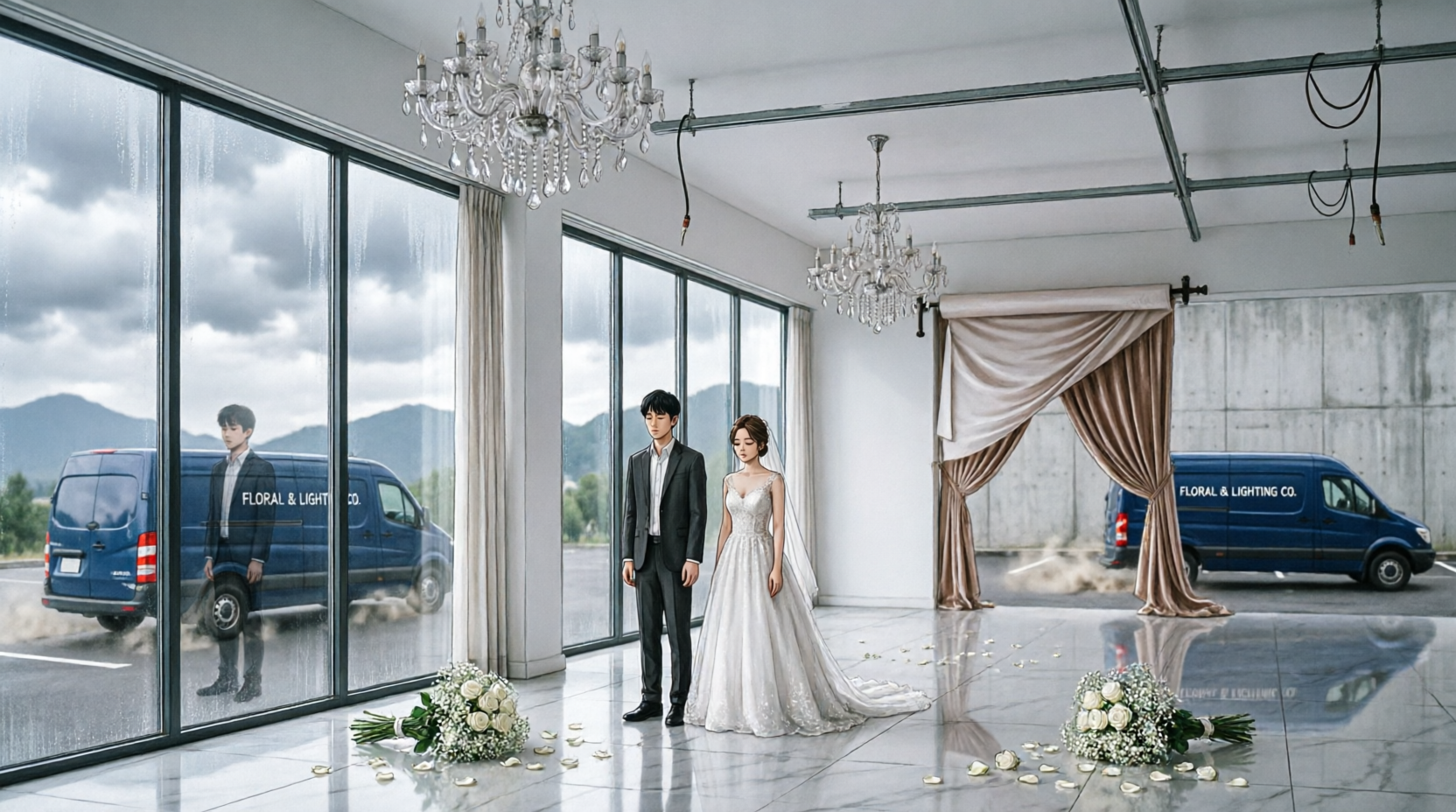
I stood at the podium, the microphone feedback squealing slightly before Martin tapped it for me. The crowd was a mix of local dignitaries, potential donors, and the staff I had personally interviewed. Clara stood off to the side, wearing a simple navy blazer and holding a clipboard. She wasn’t there as my granddaughter; she was there as the sanctuary’s volunteer coordinator. She had earned the title.
“Welcome,” I began, my voice steady despite the breeze rustling the papers on the lectern. “Many of you know me as a businesswoman. Some know me as a widow. But today, I stand before you simply as someone who understands the value of a second chance.”
I looked out at the sea of faces. Somewhere in the back, I knew there were reporters. The story of the grandmother who evicted her son had become a minor local sensation, though I had never spoken to the press.
The facts had leaked out anyway: the wedding humiliation, the financial cutoff, the eviction. Public opinion was overwhelmingly on my side. In a world obsessed with family loyalty at all costs, my story resonated because it touched on a universal truth: loyalty must be reciprocal.
“This sanctuary,” I continued, gesturing to the red ribbon stretched across the entrance of the main kennel building, “is built on the belief that every living creature deserves safety, dignity, and love. Not because they are useful. Not because they are convenient. But because they exist.”
I caught Clara’s eye. She smiled, a genuine, tired smile that reached her eyes for the first time in months. She had lost weight. The designer clothes were gone, replaced by jeans and sturdy boots. She looked healthier than she had as a bride. The poison of entitlement had been purged from her system, replaced by the hard-earned strength of self-reliance.
I cut the ribbon. The applause was thunderous. Dogs barked in the distance, a chorus of gratitude that drowned out the string quartet we had hired.
After the ceremony, during the mingling hour, a man approached me. He was older, distinguished, holding a glass of sparkling water.
“Mrs. Parker,” he said. “I’m Arthur Vance. I run the city’s housing authority.”
“Nice to meet you, Arthur,” I said, shaking his hand.
“I wanted to commend you,” he said quietly. “Not just for the shelter. But for the stance you took with your family. My wife… she’s been dealing with something similar. Her son expects everything. Seeing you stand firm… it gave her courage.”
I felt a lump in my throat. I had thought my actions were purely personal. I hadn’t realized they were political. I hadn’t realized that by drawing a line in the sand, I was drawing a map for others who were lost in the same wilderness.
“It’s not about courage,” I told him. “It’s about clarity. Once you see the truth, you can’t unsee it.”
“Clara seems to be doing well,” Arthur noted, glancing toward my granddaughter.
“She is,” I said. “She’s learning that love isn’t a transaction.”
“Good,” Arthur said. “Because I heard rumors. Your son… Richard… he’s been asking around. Asking about your health. Asking about the shelter’s finances.”
My spine stiffened slightly. “Is that so?”
“Just be careful, Denise. Desperate people do desperate things.”
“I’m aware,” I said. But the warning settled in my stomach like a cold stone. I thought I was done with them. I thought the eviction was the final period on the sentence. But perhaps for people like Richard, there is no final period. Only ellipses.
Chapter 2: The Shadow at the Gate
Two weeks after the opening, the shadow arrived.
It was a Tuesday morning. I was in the shelter’s office, reviewing the quarterly budget with Clara. The door burst open without a knock. One of the kennel assistants, a young man named David, looked panicked.
“Mrs. Parker? There’s… there’s a man at the gate. He’s causing a scene. He says he’s your son.”
My pen stopped moving. Clara froze, her hand hovering over the calculator.
“Is he alone?” I asked.
“Yes, ma’am. But he’s shouting. Saying you stole his inheritance.”
I stood up slowly. “Clara, stay here.”
“No, Grandma,” Clara said, standing up too. Her voice was firm. “I’m coming. He’s my father. If he’s going to scream, he should scream at both of us.”
We walked out to the main gate together. The security guard, a former police officer I had hired specifically for this reason, was holding a clipboard, blocking the entrance. Richard was on the other side of the barrier. He looked terrible. His suit was wrinkled, his tie loose. He had lost weight, but not the healthy kind. He looked gaunt. His eyes were bloodshot.
“Denise!” he screamed when he saw me. “Open this gate! You have no right to keep me out!”
“This is private property, Richard,” I said calmly, stopping ten feet from the barrier. “You are trespassing.”
“Trespassing?” He laughed, a hysterical, jagged sound. “I’m your son! This is my inheritance! You’re giving away my money to stray dogs while I’m living in a motel!”
“You had an inheritance,” I said. “You traded it for pride. You traded it for a wedding where I wasn’t allowed to exist.”
“It was a mistake!” he pleaded, grabbing the metal bars of the gate. His knuckles were white. “Mom, please. Susan left me.”
I glanced at Clara. She flinched, but didn’t look away.
“Susan left?” I asked.
“She took what was left of the jewelry,” Richard spat. “She said I was a failure. She said I should have fought harder for the apartment. She said I should have had you declared incompetent years ago.”
“And now you want me to save you,” I said.
“You’re seventy-two years old!” Richard yelled. “What do you need money for? You’re just going to die anyway! Why not give it to family?”
“Because family protects each other,” I said, my voice rising slightly, carrying over the wind. “You didn’t protect me. You sacrificed me for a party. You sold me for a venue upgrade.”
“I was desperate!”
“We are all desperate sometimes, Richard. But we don’t eat our children to survive. And we don’t sell our mothers.”
Richard started shaking the gate. “Open it! I need to talk to Clara! Clara, tell her! Tell her she’s being cruel!”
Clara stepped forward. She walked up to the gate, standing beside me. She looked at her father. For a long moment, she said nothing. She just looked at him, really looked at him, seeing the man behind the monster. Seeing the weakness behind the aggression.
“Dad,” Clara said softly. “Grandma didn’t take anything from you. You gave it away. You gave away your dignity when you humiliated her. You gave away your home when you stopped paying rent. You gave away your daughter when you asked me to choose between you and her.”
“Clara, I’m your father,” Richard whispered, his voice breaking.
“And she is my grandmother,” Clara said, gesturing to me. “She paid for my dress. She paid for the flowers. She paid for the food. And you kicked her out. I chose her. Because she’s the only one who taught me what love actually looks like.”
Richard slumped against the gate. The fight went out of him. He looked small. Defeated.
“Please,” he whispered. “Just a loan. I’ll pay it back.”
“No,” I said. “But I will give you this.”
I reached into my pocket and pulled out a card. I handed it to the security guard, who passed it through the bars to Richard.
“What is this?” he asked, looking at the card.
“It’s a contact for a shelter,” I said. “The St. Jude Mission. They have a work-for-housing program. You can sleep there. You can eat there. But you have to work. No handouts. Just like everyone else.”
Richard stared at the card. He looked up at me, hatred warring with desperation in his eyes.
“You’d rather give me to a charity than help me yourself?”
“I am helping you,” I said. “I’m giving you a chance to stand on your own feet. If I give you money, you’ll just spend it. If I give you work, you might save yourself. The choice is yours, Richard. But you will not get another dime from me. Not ever.”
Richard crumpled the card in his fist. He threw it on the ground.
“You’ll regret this,” he hissed. “When you’re old and sick, don’t expect me to come.”
“I don’t expect anything from you,” I said. “That’s why I’m free.”
He turned and walked away. He didn’t look back. He walked down the long driveway toward the main road, a solitary figure shrinking in the distance. I watched him until he turned the corner and disappeared.
Clara let out a breath she had been holding. “Do you think he’ll go to the mission?”
“I don’t know,” I said. “But I did what I could. The rest is up to him.”
Chapter 3: The Healing of Clara
That evening, Clara and I sat on the porch of the shelter’s main house. The sun was setting, casting long shadows across the fields where the dogs were playing.
“Thank you,” Clara said quietly.
“For what?”
“For not giving him the money. If you had… I think I would have hated you. And I would have hated myself for hoping you would.”
I sipped my tea. “Why is that?”
“Because it would have proven him right,” Clara said. “It would have proven that money fixes everything. That loyalty can be bought. But it can’t. I learned that the hard way.”
She looked at her hands. “Michael filed for divorce last week. He’s keeping the ring. He said it was a family heirloom, but I know he just wants to sell it.”
“I’m sorry, Clara.”
“Don’t be,” she said. “I’m not. I feel… light. Like I put down a heavy backpack I didn’t realize I was carrying.”
She turned to look at me. “Grandma, I want to stay here. Not just in the guest room. I want to work here. Full time. I want to learn how to run it.”
I looked at her. I saw the spark that had been missing for so long. The spark Robert used to have. The spark of purpose.
“It’s hard work,” I warned. “It pays very little. There will be days when you smell like wet dog and bleach. There will be days when animals die despite your best efforts.”
“I know,” she said. “I want to do it anyway.”
“Then you’re hired,” I said. “But on one condition.”
“What?”
“You pay rent. Not market rate. But something. Even if it’s fifty dollars a month. You need to understand the value of a roof over your head.”
Clara smiled. “Deal.”
We sat in silence for a while, watching the stars come out. The air was cool, crisp with the scent of autumn.
“Grandma?”
“Yes, Clara?”
“Are you lonely?”
The question caught me off guard. I thought about the empty side of my bed. I thought about the quiet dinners. I thought about the parties I no longer attended.
“Sometimes,” I admitted. “But loneliness is better than betrayal. Loneliness heals. Betrayal rots.”
“I wish I could fix it,” she said. “I wish I could go back to that day and stand up for you.”
“You can’t go back,” I said. “But you can move forward. You stood up for me today at the gate. That counts.”
She leaned her head on my shoulder. “I love you, Grandma.”
“I love you too, Clara. More than you know.”
Chapter 4: The Final Letter
A year passed. The shelter became a cornerstone of the community. We rescued over three hundred animals in the first year. Clara was promoted to Assistant Director. She had found a new circle of friends, people who valued her work, not her lineage. She was dating someone—a teacher named Ben who drove a used Honda and brought her coffee just because he liked her smile.
I was seventy-three. My hair was fully white now. I walked with a cane sometimes, when my knees acted up. But my mind was sharp. My spirit was lighter.
One morning, a letter arrived. No return address. Postmarked from a town three states away.
I opened it at the kitchen table. The handwriting was shaky. It was from Richard.
Mom,
I’m at the mission. The one you gave me the card for. It’s hard. The beds are hard. The food is plain. I have to wash dishes for six hours a day.
I hated you for a long time. I blamed you for everything. Susan leaving. The apartment. The cars.
But lately… I’ve been watching the other men here. Some of them are here because of addiction. Some because of bad luck. Some because they made bad choices.
I made bad choices.
I see now that I expected the world to owe me something just because I existed. I expected you to owe me something.
I’m not asking for money. I’m not asking for forgiveness. I just wanted you to know that I’m working. I’m sober. I’m alive.
Thank you for the card.
Richard.
I read the letter twice. I didn’t feel triumph. I didn’t feel sadness. I felt a quiet sense of closure. He hadn’t apologized for the wedding. He hadn’t apologized for the humiliation. But he had acknowledged his own agency. He had admitted that his life was his own responsibility.
It was the first honest thing he had said to me in twenty years.
I took the letter and walked out to the shelter’s garden. There was a small fire pit where we burned old bedding that was too damaged to be donated. I tossed the letter into the fire.
It curled and blackened. The words disappeared into the smoke.
“Goodbye, Richard,” I whispered.
Clara came up behind me. “Was that him?”
“Yes,” I said.
“Are you okay?”
“I am,” I said. “He’s finding his own way. It’s not the way I would have chosen for him. But it’s his.”
“Do you think he’ll come back?”
“Maybe someday. When he has nothing to ask for. When he just wants to say hello.”
“And if he does?”
“Then we’ll see,” I said. “But not today.”
Chapter 5: The True Inheritance
On my seventy-fourth birthday, I didn’t want a party. I didn’t want cakes or balloons. I wanted to go to the beach.
Clara, Ben, Martin, and I drove down to the coast. It was a crisp November day. The ocean was gray and choppy, the waves crashing against the shore with relentless energy.
We walked along the water’s edge. My cane sank into the wet sand. Clara walked beside me, matching my pace.
“I have something for you,” Clara said, handing me a small, wrapped box.
I opened it. Inside was a simple silver locket. I opened it. Inside was a photo of Robert on one side, and a photo of me and Clara at the shelter opening on the other.
“It’s not expensive,” Clara said nervously. “I made it myself. I learned silversmithing at a community class.”
“It’s perfect,” I said, my voice thick. I clasped it around my neck. The metal was cool against my skin.
“I wanted to give you something that lasts,” Clara said. “Something that isn’t just money.”
“Money fades,” I said. “Values don’t.”
We sat on a driftwood log, watching the sunset. The sky turned purple, then orange, then deep blue.
“Grandma,” Clara said. “I’ve been thinking about the future. About the shelter. About… everything.”
“Yes?”
“When you’re… when you’re not here anymore. I want to make sure the shelter stays safe. I want to make sure no one can take it away.”
I looked at her. “Are you asking about the will?”
“Yes,” she said. “I know you haven’t told me. But I want you to know… I don’t want the money for me. I want it for the work. For the dogs. For the mission.”
I smiled. “I know, Clara. That’s why you’re the heir.”
She blinked, surprised. “Really?”
“Really,” I said. “Richard… he’s on his own path. He needs to build his own life. But you… you’ve already built yours. You’ve earned this.”
“I won’t let you down,” she whispered.
“You already haven’t,” I said.
The sun dipped below the horizon. The stars began to appear, one by one, piercing the darkness.
I thought about the woman I was two years ago. The woman in the pink dress, standing on the gravel driveway, humiliated and heartbroken. She felt so far away now. Like a character in a book I had read long ago.
That woman thought her worth was tied to her son’s approval. She thought her legacy was her bloodline. She thought love meant sacrifice without boundaries.
The woman sitting on the beach now knew better.
My worth was tied to my integrity. My legacy was the shelter, the animals, the woman my granddaughter had become. My love was fierce, but it was protected.
“Grandma?” Clara asked. “What are you thinking?”
“I’m thinking,” I said, watching the waves crash against the shore, “that I’m finally home.”
“Not at the house?”
“No,” I said. “Home isn’t a place. It’s a feeling. It’s knowing who you are. It’s knowing you don’t have to apologize for taking up space.”
Clara squeezed my hand. “You take up plenty of space, Grandma. And we’re all better for it.”
We sat there until the cold drove us back to the car. As we drove back toward the city, toward the shelter, toward the life we had built from the ashes of the old one, I felt a profound sense of peace.
Richard was finding his way. Susan was gone. Clara was thriving. And I… I was free.
The wedding had been a funeral for the family I thought I had. But from that grave, something stronger had grown. A family of choice. A family of respect. A family of truth.
As the city lights came into view, twinkling like stars fallen to earth, I closed my eyes and leaned back in the seat.
The pink dress was gone. The pearls were in the safe. The pain was in the past.
All that remained was the future. And for the first time in my life, I wasn’t afraid of it.
Epilogue: The Garden
Five years later.
The shelter is thriving. We have expanded to three states. Clara is the Executive Director. I am retired, officially, though I still come in every Tuesday to review the books.
I sit in the garden we planted behind the main office. Roses. Lavender. Sunflowers. Robert’s favorites.
A young woman approaches me. She’s holding a clipboard. She looks nervous.
“Mrs. Parker?” she asks. “I’m Sarah. I’m the new volunteer coordinator.”
“Welcome, Sarah,” I say. “How are you settling in?”
“Well,” she hesitates. “I… I heard about your story. About your son.”
I smile gently. “And?”
“I just… I wanted to say thank you,” she says. “My mother-in-law… she’s been trying to move in with us. Expecting us to pay for everything. I was feeling guilty. Saying no. But reading about what you did… it gave me permission to set boundaries.”
“Boundaries aren’t walls,” I tell her. “They’re gates. You decide who comes in.”
“Thank you,” she says. She looks relieved.
“You’re welcome,” I say.
She walks away. I watch her go.
I look down at the roses. They are in full bloom. Red. Vibrant. Alive.
I think about Richard. I hear from him sometimes. A card at Christmas. A letter every few months. He’s working at a warehouse now. He’s sober. He’s alone, but he’s okay. We talk sometimes. Short conversations. Polite. Distant. But honest.
I think about Susan. I heard she remarried. A wealthy man this time. I hope she learned her lesson. I hope she finds what she’s looking for.
I think about Clara. She’s getting married next month. To Ben. It’s a small wedding. In the shelter garden. No lobster. No designer gown. Just love.
I paid for it. Not because I had to. But because I wanted to. Because this time, I was on the guest list. This time, I was family.
I close my eyes and feel the sun on my face.
The wind rustles the leaves. The dogs bark in the distance. The world moves on.
I am Denise Parker. I am a widow. I am a grandmother. I am a protector.
And I am finally, completely, at peace.
The End.