Part 1
The first thing I remember from that Saturday night is the sound of the dishwasher humming in the kitchen.
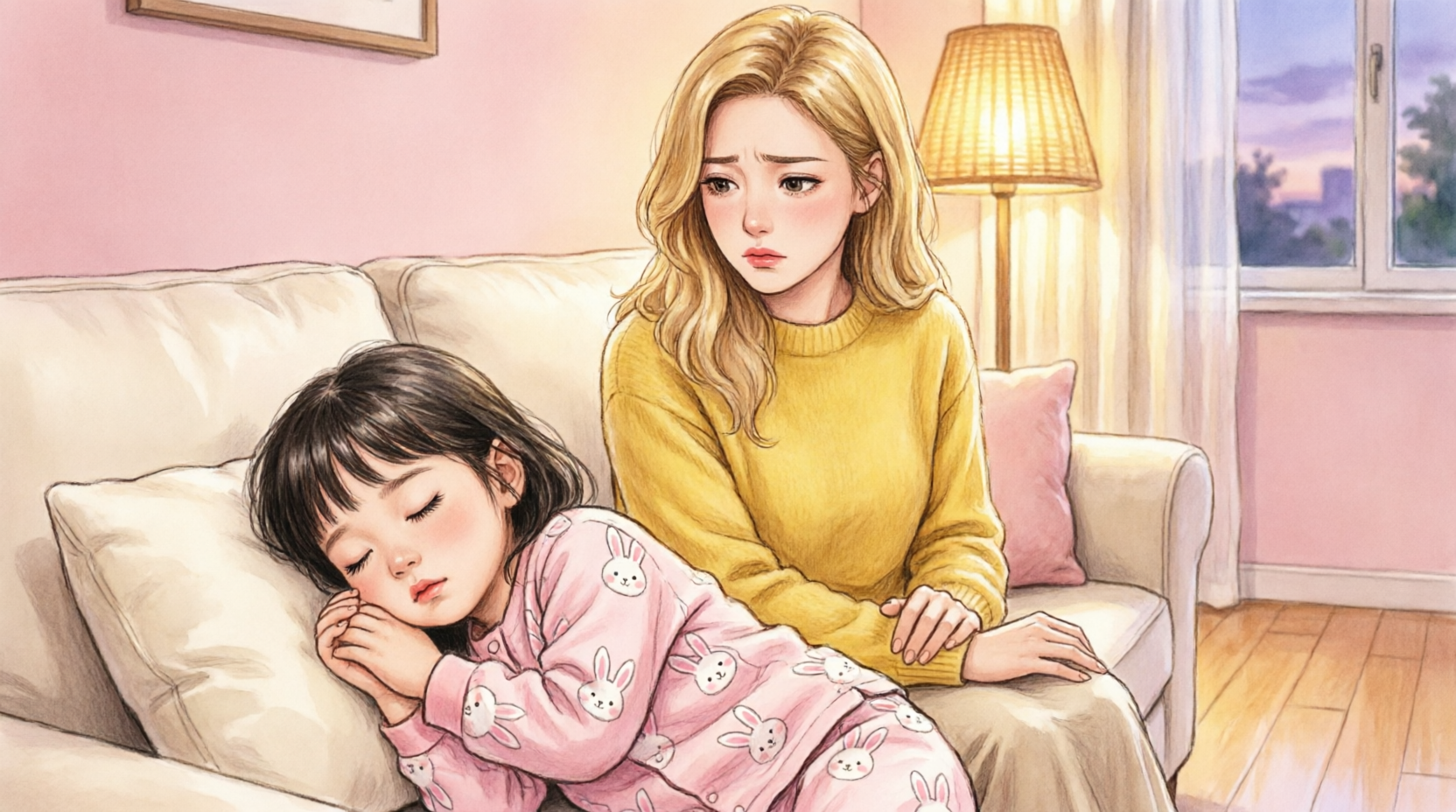
It was ordinary. So painfully ordinary that, even now, when I hear that low mechanical swish of water behind a closed door, my stomach tightens before my brain can remind me I’m safe. Ivy was asleep on the couch in the living room, one cheek pressed against the dinosaur blanket she insisted was softer on “the green side.” Her little socked feet were tucked under her, and her insulin pump was clipped to the waistband of her pajama shorts the way it always was.
Type 1 diabetes had been part of our lives since Ivy was two.
By four, she knew more medical words than most adults. She could say “glucose” and “basal rate” with the solemn pride of a tiny scientist. She knew which juice boxes were for low blood sugar and which snacks were “regular snacks.” She knew that her pump was not a toy. Everyone in our family knew that too, because I had explained it until I was hoarse.
That pump was not optional.
It helped keep my daughter alive.
The house smelled like dish soap, peanut butter crackers, and the faint watermelon scent of Ivy’s detangling spray. I was packing her diabetes bag for the next morning—extra infusion set, alcohol swabs, glucose tabs, meter, backup insulin pen—when my younger sister Mallory wandered into the living room.
She had shown up without calling around eight, which was very Mallory.
At nineteen, she still lived with our parents and drifted through life like boredom was something everyone else was responsible for solving. She had dyed her hair dark red that week and kept looking at herself in the black reflection of the TV.
“What’s this thing?” she asked.
I stepped into the doorway with a dish towel in my hands.
Mallory was leaning over Ivy, one finger hovering near the pump tubing.
“That’s Ivy’s insulin pump,” I said. “Don’t touch it.”
She rolled her eyes. “Relax. I’m just looking.”
“I’m serious.”
“God, you act like I’m going to launch a missile.”
“It keeps her alive, Mallory.”
She made a face and dropped into the armchair across from the couch. “You make everything sound so dramatic.”
That should have been my warning.
In my family, “dramatic” had always meant inconveniently accurate. If I objected when Mallory stole from my closet, I was dramatic. If I got upset when she “borrowed” my car and brought it back with no gas and a dented bumper, I was dramatic. If I told my parents she had fed Ivy a cookie without checking ingredients after Ivy’s diagnosis, I was dramatic about medical stuff.
Mallory was the baby, the wild one, the funny one. I was the uptight one. The responsible one. The one who made problems by noticing them.
I stood in the doorway a few seconds longer.
Mallory had her phone out now, thumb scrolling fast, face blank with boredom. Ivy slept peacefully, lips parted, one hand curled under her chin. Nothing seemed wrong.
So I went back to the kitchen.
That choice became the place my mind returned to again and again afterward.
I should have stayed.
I should have put the pump out of reach.
I should have made Mallory leave the second she joked about it.
But you can’t live as if every adult in your home might try to hurt your child. Or maybe you can, once you learn the hard way. Back then, some exhausted part of me still believed my sister was careless, selfish, even cruel—but not dangerous in that way.
At 9:30, she called from the hallway, “I’m leaving. Mom wants me back before ten.”
I walked her to the door because I was relieved the visit was over.
Mallory slipped on her shoes, gave me a little smirk, and said, “Try not to have a panic attack before morning.”
“Drive safe,” I said tightly.
The second the door closed, the house relaxed around me.
For forty-five minutes.
Ivy woke at 10:15.
At first I heard only a faint whimper from the living room. Not crying. Not a normal sleepy complaint. Something thin and wrong.
I ran in and found her sitting halfway up on the couch, pale gray under the warm lamplight. Sweat had soaked through the front of her pajama shirt. Her hands trembled as she reached toward me, and her eyes didn’t quite focus.
“Mommy,” she whispered. “I feel weird.”
My body moved before fear could fully form.
I grabbed her glucose meter from the side table, pricked her finger, pressed the strip to the blood. The seconds before the number appeared felt endless.
Forty-one milligrams per deciliter.
Dangerously low.
Life-threateningly low.
I grabbed the juice box from her emergency basket and pressed the straw to her lips, but her mouth was slack and confused. She swallowed a little, then gagged. My hands were shaking so hard I nearly dropped the meter.
Then I checked the pump.
For one second, I didn’t understand what I was seeing.
The basal rate had been changed.
Not slightly. Not accidentally bumped. Maxed out.
A bolus dose had been programmed and delivered.
Too much insulin. Far too much. Dumped into my four-year-old’s body while she slept.
The room tilted.
No malfunction could do this.
No accidental tap could do this.
Someone had navigated menus, changed settings, confirmed delivery.
Mallory.
The name hit me like a physical blow.
“Ivy, stay with me.” My voice cracked. “Baby, look at Mommy.”
Her head lolled against my shoulder as I scooped her up. I grabbed my keys, phone, diabetes bag, and ran barefoot halfway to the car before realizing I didn’t have shoes. I didn’t go back.
I called the ER while driving, barely able to explain through my own panic.
“Four-year-old. Type 1 diabetic. Blood sugar forty-one. Insulin overdose from pump tampering. We’re eight minutes away.”
The woman on the phone told me to stay calm.
I didn’t.
I ran two red lights. I talked nonstop to Ivy, begging her to answer.
“Tell me your favorite color. Ivy, what color is your dinosaur blanket? Baby, stay awake for me.”
Her breathing was shallow and fast.
By the time I pulled up to the emergency entrance, two nurses were already waiting with a wheelchair and a pediatric crash cart nearby. Someone lifted Ivy from my arms, and for one terrible second her hand slipped out of mine.
“No,” I gasped. “I’m coming with her.”
A doctor met us in the trauma bay. “Who had access to the pump?”
“My sister,” I said, the words barely leaving my mouth. “She was alone with her.”
The doctor’s face changed.
In that sterile, fluorescent room, as nurses pushed glucose through an IV and monitors started beeping around my daughter, the last fragile excuse I had for Mallory died.
And as Ivy lay there sweating under hospital blankets, I realized the worst part wasn’t only that my sister had touched the pump.
It was that she had known enough to change it correctly.
Part 2
The hospital room was too bright.
That sounds like a small thing, but I remember it clearly. The light above Ivy’s bed made her skin look almost translucent. Her curls stuck damply to her forehead. A tiny pulse-ox clip glowed red on her finger, and the IV tape on her hand looked too big, too clinical, too wrong on a child who still needed help reaching the bathroom sink.
The nurses moved with the calm urgency of people trained not to let terror show on their faces.
I sat on a hard plastic chair beside the bed, my phone in my lap, watching the glucose numbers creep upward in slow, agonizing increments.
Not safe yet. Better, but not safe.
Dr. Sarah Kendrick, the pediatric endocrinologist on call, reviewed the pump history with a tight expression. She had kind eyes, but by the third screen of data, kindness had turned into something sharper.
“This wasn’t a pump error,” she said.
“I know.”
She looked at me. “I need you to understand that from a medical standpoint, these changes required multiple intentional steps.”
I swallowed. My throat hurt even though I hadn’t been the one in physical danger.
“How bad could it have been?”
Dr. Kendrick glanced at Ivy before answering.
“If you had found her later, we could have been dealing with seizures, coma, brain injury, or death.”
Death.
The word didn’t echo like people say words do in traumatic moments. It landed flat and heavy.
My daughter could have died on our couch while my sister drove home laughing.
Around midnight, when Ivy finally stabilized enough for transfer to a pediatric observation room, I called my parents.
My mother answered on the third ring, voice thick with sleep. “What?”
“Ivy’s in the hospital.”
That woke her. “What happened?”
“Mallory tampered with her insulin pump while Ivy was sleeping. She changed the settings. Ivy had a severe low.”
Silence.
For half a second, some stupid part of me waited for the right response.
Oh my God.
Is Ivy okay?
We’re coming.
What did Mallory do?
Instead, my mother exhaled sharply. “That’s ridiculous.”
I closed my eyes.
“Mom, I checked the pump log. The settings were changed around nine. Mallory was alone with her.”
“You’re jumping to conclusions.”
“She almost died.”
My father’s voice came on, gruff and irritated. She had put me on speaker. Of course she had. “What’s this about Mallory?”
“She changed Ivy’s pump settings.”
“That doesn’t sound like something Mallory would know how to do.”
“She’s watched me adjust it. I’ve explained it for two years. She knew enough.”
Dad made a disgusted noise. “Stop blaming your sister for everything.”
I stared at Ivy’s small body under the blankets.
“Dad, this isn’t about missing makeup or a scratched car. My daughter’s blood sugar was forty-one.”
Mom snapped, “You are always so overdramatic about medical stuff.”
Something in me went cold.
“Medical stuff?”
“You act like every little thing is an emergency.”
“This was an emergency.”
“According to you,” Dad said.
I stood, walked into the hallway, and pressed my forehead against the cool wall because if I stayed beside Ivy while listening to them minimize what had happened, I was going to scream loudly enough to wake the entire unit.
“The hospital documented everything,” I said. “The pump data, the glucose levels, the timing. Dr. Kendrick said it was intentional.”
“I’m sure you found a doctor willing to support whatever story you’re telling,” Dad replied.
I actually laughed once. It came out broken.
“Do you hear yourself?”
“I hear my daughter trying to ruin her younger sister’s life over some medical device she probably doesn’t understand.”
“She’s nineteen.”
“She’s still just a kid,” Mom said. “She didn’t know what she was doing.”
That was when I understood.
They weren’t confused.
They had already chosen.
Mallory was the child. Always. Even at nineteen. Even with my four-year-old in a hospital bed because of her.
“We’ll come tomorrow,” Mom said stiffly. “But don’t expect us to participate in this witch hunt.”
They hung up.
I stood in the hallway with the phone still against my ear until a nurse asked if I needed water.
I needed parents who cared that my child had almost died.
But water was easier to provide.
Ivy spent the night under close monitoring. The staff checked her blood sugar constantly, adjusting carefully because the overdose had thrown everything off. She woke twice crying and confused, asking why her tummy felt shaky and why the hospital smelled “too white.” I crawled into the bed beside her despite the nurse’s raised eyebrow and held her until she slept again.
The next afternoon, my parents arrived.
My mother swept into the room carrying a stuffed bear with a pink bow. My father came behind her with his hands in his jacket pockets, already looking annoyed. Mallory trailed last, wearing leggings, a cropped sweatshirt, and a face arranged into concern.
Concern did not reach her eyes.
“How’s our girl?” Mom cooed, kissing Ivy’s forehead.
Ivy shrank slightly into the pillow. She was tired and pale, but alert enough to know tension when it entered a room.
“She’s recovering,” I said. “The doctors say she’s lucky.”
Dad shot me a look. “Let’s not upset her with dramatic language.”
Mallory sat in the chair nearest the window. “Scary,” she said. “Good thing you caught it.”
Her tone was perfect.
Too perfect.
I reached into my bag and pulled out the printed report Dr. Kendrick had given me. “The pump history shows every setting was changed while you were alone with Ivy.”
Mallory’s face flickered. Just once.
Mom stiffened. “We are not doing this here.”
“Yes,” I said. “We are. Because Ivy deserves to be protected.”
I held the report out.
Dad snatched it before my mother could stop him. For one absurd second I thought he was going to read it.
Instead, he tore it in half.
Then quarters.
The sound of paper ripping filled the room.
“Stop making up stories,” he said.
Pieces of the medical report fell onto the hospital floor like white leaves.
A nurse by Ivy’s IV pole froze.
“You just destroyed medical documentation,” I said slowly. “In a hospital.”
“Documentation of your delusions,” he said.
And then Mallory smirked.
It was quick. A little twitch at the corner of her mouth. The same expression she wore when she got away with something as a kid.
“It was funny watching her panic,” she said.
The room went silent.
My mother turned toward her. “Mallory.”
My sister blinked, realizing too late she had said too much.
“I mean…” She gave a weak laugh. “Now that Ivy’s fine. It was just intense, you know? Everyone freaking out.”
“My daughter’s blood sugar was forty-one,” I said.
Mallory looked away.
Mom stepped toward me.
I saw her hand rise, but I didn’t really believe she would do it until the slap cracked across my face.
Pain flashed hot along my cheek.
“How dare you accuse your sister?” she hissed.
The nurse moved immediately. “I’m calling security.”
Dad pointed at me. “This is what you do. You tear this family apart with your victim act.”
I put one hand to my cheek.
My own mother had hit me in front of my sick child.
Behind me, Ivy whispered, “Mommy?”
That small voice cut through everything.
I turned, gathered her carefully into my arms, and felt her little body trembling.
“It’s okay,” I told her, though it wasn’t. “You’re safe.”
Security arrived before my parents could leave cleanly. So did the charge nurse. Statements were taken. The slap was documented. The torn reports were photographed. Dr. Kendrick appeared in the doorway with fresh copies of the medical records, her face grim.
“Those papers were copies,” she said quietly. “The official record is intact.”
That was when I remembered the camera.
Three months earlier, after a break-in two streets over, I had installed a living room security camera with motion-activated cloud storage. I had forgotten about it in the chaos.
My hands shook as I opened the app.
I scrolled back to 8:47 p.m.
There was Mallory entering the living room.
There was Ivy asleep on the couch.
There was Mallory leaning over the pump.
There were her fingers navigating the menu, changing settings, confirming doses.
Clear.
Timestamped.
Undeniable.
I looked up at my parents.
They were still angry—until I turned the phone screen toward them.
Their faces went white.
And for the first time in my entire life, Mallory had no expression ready.
Part 3
The footage changed the room.
Before it, my parents had been angry in the usual way—loud, certain, offended that reality refused to bend around Mallory. My mother’s handprint still burned on my cheek. My father still stood with his shoulders squared, as if tearing up a report could somehow tear up the truth itself.
Then they saw the video.
Mallory leaning over my sleeping daughter.
Mallory pressing buttons with careful, deliberate focus.
Mallory glancing once toward the kitchen doorway, then back down at the pump.
Mallory sitting back afterward with that same tiny satisfied smirk.
My mother’s mouth opened, but no sound came out.
Dad’s face drained of color so fast he looked ill.
Mallory whispered, “That doesn’t show what you think it shows.”
The nurse beside the IV pole made a sharp sound under her breath.
I held the phone tighter. “It shows exactly what happened.”
“No,” Mallory said, panic rising now. “I was just… I was just checking it.”
“You changed the basal rate.”
“I don’t even know what that means.”
“You knew enough to get into the menu.”
“Maybe I pressed something by accident.”
Dr. Kendrick stepped into the room fully. Her voice was cold enough to slice. “Accidental contact does not navigate through multiple confirmation prompts and program an insulin delivery.”
Mallory’s eyes darted to my mother.
That was her reflex. It had always worked before.
Mom recovered enough to say, “Maybe she was curious. She’s young.”
“She’s nineteen,” I said. “And she said it was funny watching me panic.”
“I didn’t mean it like that,” Mallory snapped.
The charge nurse turned to security. “They need to leave.”
My father found his voice again, but it came out weaker. “This is a family issue.”
“No,” Dr. Kendrick said. “It’s a life-threatening medical assault against a child.”
That sentence seemed to physically strike him.
Good.
A hospital security officer escorted them out while Mallory cried too late and my mother kept whispering, “We’ll fix this, we’ll fix this,” as though the problem was still public perception instead of attempted harm. My father didn’t look at me as he left. That told me plenty.
When the door closed behind them, Ivy started crying.
Not loud. Not dramatic. Quiet tears sliding down her temples into her hair.
“Did Aunt Mallory hurt my pump?” she asked.
I sat beside her and stroked her arm, careful of the IV.
“Yes,” I said, because Dr. Walsh, Ivy’s future therapist, would later tell me that the first gift after betrayal is a simple truth. “She touched it when she wasn’t supposed to, and it made you very sick.”
“Why?”
That one hurt more.
“I don’t know,” I said. “But it was wrong. And I won’t let her near you again.”
Ivy nodded, but her little face stayed frightened. “Is Grandma mad at me?”
“No, baby.” My throat tightened. “Grandma made bad choices too. But none of this is your fault.”
Police arrived within the hour.
Officer Janet Whitmore and Officer Michael Rodriguez took statements from me, Dr. Kendrick, the nurse, the charge nurse, and hospital security. They reviewed the medical records first, then the pump data. Finally, they watched the security footage.
Officer Whitmore looked at the screen without blinking.
When it ended, she said, “This is not a prank.”
“No,” I said. “It isn’t.”
Rodriguez asked to see the video again, pausing at points where Mallory’s fingers moved through the pump’s menu. “She knows what she’s doing.”
“She’s seen me use it,” I said. “I’ve explained it a hundred times.”
Whitmore made notes. “Tampering with medical equipment. Reckless endangerment. Depending on the prosecutor, possibly assault with intent to cause serious bodily harm. Given the age of the victim and the glucose level…” She looked toward Ivy. “This is very serious.”
I backed the video up to the cloud, then emailed it to myself, Patricia, Dr. Kendrick, and a brand-new folder I named IVY EVIDENCE.
Evidence.
That word became a lifeline.
Not feelings. Not family stories. Not who cried louder. Evidence.
Ivy was discharged the next morning with strict instructions and a follow-up schedule. I carried her out of the hospital with one arm under her legs, one hand supporting her back, even though she was perfectly capable of walking. She rested her head on my shoulder and asked if we could go home and watch the whale movie.
“Yes,” I said. “As many times as you want.”
My best friend Natasha met us at the house.
She had already stocked the fridge, changed the sheets, and placed a new lockbox for medical supplies on the kitchen counter. Natasha had been my college roommate and had the personality of a velvet-covered brick. Soft voice, steel spine. She opened the door before I reached the porch and took one look at Ivy, then me, then said, “Okay. We’re safe now.”
I almost collapsed.
For three hours, we tried to make the house feel normal.
Ivy curled on the couch with her blanket. I sat beside her, watching her pump like it might betray us on its own. Natasha made grilled cheese and tomato soup. The living room camera stared from its corner, quiet witness to the worst night of our lives.
At 3:12 p.m., my phone rang.
Unknown number.
I nearly ignored it, but something made me answer.
“This is Ruth Anderson from Child Protective Services,” the woman said. “I’m calling regarding a report of medical neglect involving your daughter, Ivy.”
I went cold.
“Medical neglect?”
“Yes. We received a complaint stating that you failed to secure your daughter’s insulin pump, left her unsupervised with dangerous medical equipment, and may be falsely accusing relatives to cover your own negligence.”
The room seemed to tilt.
Natasha looked up from the kitchen.
“Who filed that report?” I asked.
“I’m not at liberty to disclose that at this stage. We’ll need to schedule a home visit within forty-eight hours.”
I scheduled it for the next afternoon, hung up, and stood there with the phone in my hand.
My parents.
Of course.
They hadn’t just defended Mallory. They had tried to get ahead of the criminal case by painting me as the danger. They were willing to risk my custody of Ivy to protect the daughter who had nearly killed her.
Natasha took the phone gently from my hand before I dropped it.
“Call a lawyer,” she said.
I called Gordon Reeves, an attorney Dr. Kendrick had recommended before discharge. He specialized in family law and false CPS reports. He listened without interrupting, then said, “They’re trying to weaponize child welfare before the prosecutor moves.”
“Can they take Ivy?”
“Not if the evidence is what you say it is.”
“It is.”
“Good,” he said. “Then tomorrow we turn their lie into a documented malicious report.”
The CPS visit happened at two the next day.
Ruth Anderson arrived with tired eyes, a tablet, and the expression of a woman who had seen enough real neglect to despise fake reports. Within five minutes, her face changed. She saw the labeled diabetes shelf, the emergency instructions on the fridge, the backup pump supplies, the glucose logs, the medication schedule, the doctor contacts laminated near the phone.
Then she watched the security footage.
Twice.
When the second viewing ended, she set the tablet down slowly.
“Mrs. Bennett,” she said, “I’m closing this case as unfounded and flagging the report as malicious.”
Gordon asked, “Can you identify the reporter?”
She hesitated, then said, “Barbara and Frank Thornton. Maternal grandparents.”
Hearing their names still hurt.
Not because it surprised me anymore.
Because some small part of me had hoped there might be a bottom.
There wasn’t.
After Ruth left, I walked into Ivy’s room. She was asleep under her dinosaur blanket, one hand resting near her pump. I stood there until my breathing steadied.
Then I went back to the kitchen, sat across from Gordon, and said the words that would split my life cleanly in two.
“I want to pursue everything. Criminal charges. Civil damages. Restraining orders. All of it.”
He nodded once.
And for the first time since Ivy’s glucose meter flashed 41, I felt something stronger than terror.
I felt done.
Part 4
Mallory was arrested three days later.
I was in the kitchen measuring Ivy’s lunch insulin when Gordon called. His voice gave nothing away at first. Lawyers are annoying like that. They build suspense accidentally because every sentence sounds like it’s about to become billable.
“The warrant was served this morning,” he said. “Mallory is in custody.”
I closed my eyes.
I had imagined feeling satisfaction.
Instead, I felt tired. Bone-tired. The kind of tired that comes after your body stops needing to run and realizes it has been sprinting for days.
“What are the charges?”
“Felony tampering with medical equipment, reckless endangerment of a child, and assault with intent to cause serious bodily harm. The prosecutor may amend after grand jury review.”
Ivy was at the table coloring a picture of a purple cat with wings. She looked up when I didn’t answer right away.
“Mommy?”
I smiled because mothers learn to make their faces into umbrellas. “Everything’s okay, baby.”
Was it a lie? Maybe. But it was the kind that meant: I am holding the storm away from you for now.
My mother called from the police station less than an hour later.
I answered only because Gordon had told me to document everything and, if I felt able, let her speak long enough to prove herself.
“How could you?” she shrieked before I even said hello. “How could you do this to your own sister?”
I put the call on speaker and started recording on my laptop with Gordon on the other line.
“Mallory did this to herself.”
“She made a mistake!”
“She nearly killed Ivy.”
“You keep saying that like it’s true.”
I looked across the room at the lockbox where Ivy’s pump supplies now lived.
“It is true.”
My mother’s voice cracked into sobs, then hardened instantly when I didn’t rush to comfort her. “She’s just a kid.”
“She is nineteen.”
“She didn’t understand.”
“She understood enough to wait until I was in the kitchen and Ivy was asleep.”
“You have always wanted to punish her,” Mom snapped. “Always jealous. Always resentful.”
There it was. The old family religion.
Mallory harms. I react. I become the problem.
“Mom,” I said, strangely calm, “the prosecutor is arguing no bail.”
The line went silent.
“For Mallory?”
“Yes. They consider her a danger to others.”
“She is not dangerous.”
“She weaponized my daughter’s insulin pump.”
My father grabbed the phone then; I heard the scrape and his heavier breathing before he spoke.
“You listen to me,” he said. “You drop this. You fix this before it ruins her life.”
I looked at Ivy, who was now carefully adding stars around the winged cat.
“No.”
“You selfish little—”
I ended the call.
Then I blocked both numbers.
The preliminary hearing was two weeks later.
The courthouse smelled like wet coats and burnt coffee. I wore a dark green dress because Natasha said black made me look like I was attending a funeral and red might suggest I wanted to start one. Ivy stayed home with Natasha. I refused to bring her into a room where my parents would glare at her like she was evidence instead of a child.
Mallory came in wearing an orange jumpsuit.
That image unsettled me more than I expected.
Not because I felt sorry for her. Because she looked small without the performance. No eyeliner. No loose red hair styled into effortless waves. No sarcastic half-smile. Just pale skin, bitten nails, and a look of disbelief, as if jail had been created for other people.
My parents sat on the opposite side of the courtroom. Mom looked like she’d aged ten years in two weeks. Dad looked carved from stone.
Their attorney, Paul Vickery, had the smug smoothness of a man who had spent years getting guilty people to sound misunderstood. He argued that Mallory had been curious, immature, ignorant of consequences. He used the phrase youthful mistake three times.
The prosecutor, Diana Callahan, stood only once before evidence presentation and said, “Curiosity does not navigate multiple pump menus and confirm an insulin delivery.”
Then she played the footage.
No one in that courtroom made a sound.
There was Mallory.
There was Ivy asleep.
There were the fingers.
The settings.
The final glance at the kitchen doorway.
Judge Harold Kirkland leaned forward slightly as he watched. When the footage ended, he removed his glasses and set them down.
“Counselor,” he said to Vickery, “I’ve been on this bench twenty-three years. That is not random button pressing.”
Vickery tried again. “Your Honor, my client is a teenager—”
“She is a legal adult,” the judge interrupted. “And the child is four.”
A murmur passed through the courtroom.
The judge bound the case over for trial and denied bail.
My mother made a wounded sound, somewhere between a sob and a gasp. My father stood up so quickly the bench creaked.
“This is your fault,” he shouted at me. “You’ve always wanted to destroy her.”
Judge Kirkland’s voice cracked like a whip. “Mr. Thornton, sit down before I hold you in contempt.”
Dad sat, but his eyes stayed on me.
I used to be afraid of that look.
That day, I stared back.
The civil side moved at the same time. Gordon filed against my parents for defamation, emotional distress, the false CPS report, and the hospital assault. My mother took a plea deal on the slap—probation and anger management—which infuriated me until Gordon reminded me that guilty pleas are useful later.
“She admitted under oath that she struck you,” he said. “We will use that.”
My parents countersued.
Of course they did.
Grandparent alienation.
False accusation.
Emotional damages.
Loss of family relationship.
Gordon called the filing “legally unserious but emotionally revealing,” which was polite lawyer language for absolute garbage.
Then the state produced phone records.
The day they filed the CPS report, my parents had called Mallory’s defense attorney first. Twice. Then CPS. Then each other. Then the attorney again.
Gordon smiled when he saw the timeline.
“Coordination,” he said. “Intent.”
The trial for Mallory began three months after Ivy’s hospitalization.
By then Ivy had started therapy with Dr. Sandra Walsh, a pediatric medical trauma specialist who kept fidget toys in every drawer and spoke to Ivy like she was a whole person, not a fragile object. Ivy still asked every night whether her pump was safe. She asked if Aunt Mallory could “sneak in.” She cried the first time I changed her infusion set after the hospital because she thought touching the pump meant danger.
That was the damage people like my parents refused to count.
Not just the glucose number.
Not just the ER.
The fear afterward.
Diana’s case took two days. Dr. Kendrick testified that Ivy could have suffered seizures, brain damage, or death. Officer Whitmore testified about the video and statements. The nurse testified about Mallory’s hospital comment.
Then came an unexpected witness.
Crystal Matthews, one of Mallory’s old friends.
She looked miserable on the stand but determined. She testified that a week before the incident Mallory had complained about me being “insane” over Ivy’s pump.
“She said maybe she should mess with it to prove nothing bad would happen,” Crystal said. “I thought she was joking.”
The defense objected.
The judge allowed it.
Premeditation.
The word settled over the courtroom like dust.
When Mallory testified, it was a disaster.
She claimed she had only wanted to “understand” the device. Then she claimed she might have accidentally confirmed something. Then she said she thought the pump had safety limits. Finally, when Diana asked why she never told me she touched it after Ivy was hospitalized, Mallory stared at the table and whispered, “Because everyone was already freaking out.”
“Freaking out,” Diana repeated. “About a child nearly dying?”
Mallory said nothing.
The jury returned guilty on all counts after four hours.
At sentencing, Diana asked for fifteen years. Vickery asked for probation and community service, calling Mallory “young, immature, and fundamentally not malicious.”
Judge Kirkland did not look persuaded.
Then it was my turn.
I stood with my victim impact statement in both hands, though I barely looked at the page.
“My daughter was four years old,” I said. “She was sleeping. She trusted the adults in her home. My sister turned a device that keeps her alive into a weapon.”
Mallory looked down.
Good.
“Ivy has nightmares now. She’s afraid of people touching her pump. She asks whether her aunt will come back and hurt her again. And in the hospital, Mallory said it was funny watching me panic. That tells me she didn’t misunderstand what she did. She understood exactly enough.”
My voice shook at the end, but it did not break.
Judge Kirkland sentenced Mallory to twelve years, with parole eligibility after eight.
My mother collapsed into sobs.
My father walked out.
I stayed seated until the courtroom emptied.
Then Gordon leaned over and said, “The civil trial against your parents starts in eight weeks.”
I looked at the door my father had slammed behind him.
Eight weeks.
Good.
Because Mallory was only one part of the rot.
And next, my parents would have to explain why protecting her mattered more than Ivy’s life.
Part 5
The civil trial against my parents felt less dramatic than Mallory’s criminal trial, but in some ways it was more painful.
Mallory had done the physical thing. She touched the pump. She changed the numbers. She made my daughter sick.
My parents did something quieter but almost as dangerous.
They tried to change the story.
They tried to turn me from a mother protecting her child into a negligent parent. They tried to use Child Protective Services as a weapon. They tried to make Ivy’s near-death into an inconvenience Mallory had to survive.
The courtroom was smaller this time. No big audience. No local reporter in the back row. Just lawyers, exhibits, a judge with silver hair, and my parents sitting at the defense table in the clothes they wore when they wanted people to think they were respectable.
My mother wore pearls.
That offended me more than it should have.
Gordon’s opening statement was calm and brutal.
“The defendants were not confused grandparents seeking help for a child,” he told the court. “They were adults attempting to protect one daughter from criminal consequences by falsely accusing the other daughter of medical neglect, despite knowing their granddaughter had been harmed by their favored child.”
My mother flinched at favored child.
Good.
Ruth Anderson from CPS testified first.
She looked even more tired than she had at my house, but her testimony was sharp and clear. She described the report my parents filed, the allegations, the urgency created by claims of medical neglect.
Then she described our home.
Organized supplies.
Emergency instructions.
Accurate logs.
Proper medication storage.
Backup equipment.
Medical contacts.
Follow-up care.
“This was one of the cleanest diabetes management setups I have seen in a home visit,” she said.
Gordon asked, “What did you conclude after reviewing the evidence?”
“That the report was malicious.”
My mother whispered something to my father. He stared straight ahead.
Ruth continued, “False reports like this consume resources that could otherwise be used for children in actual danger. In my opinion, the Thorntons used the child welfare system to retaliate against the mother for reporting a crime.”
The judge wrote that down.
Gordon then played audio from my mother’s recorded call after Mallory’s arrest.
How could you do this to your own sister?
She made a mistake.
You’re destroying this family.
Hearing it in court stripped away the chaos and left the structure visible. Not once did she ask about Ivy. Not once did she say Mallory had done wrong. Every word was about Mallory.
Then came the hospital witnesses.
The nurse who saw my father rip up the report.
The charge nurse who heard Mallory’s “funny watching her panic” comment.
The security officer who documented my mother slapping me.
Dr. Kendrick, who testified again that the pump data and medical records were not “stories,” not “interpretation,” not “dramatic exaggeration,” but clinical facts.
My parents’ attorney tried to argue they had been emotional and overwhelmed.
Gordon didn’t even raise his voice.
“Were they too overwhelmed to call their daughter and apologize?”
No.
“Too overwhelmed to ask if Ivy survived the night?”
No.
“Too overwhelmed to call Mallory’s criminal defense lawyer before filing a CPS report?”
The attorney objected.
Overruled.
The phone records came in.
There it was.
Mallory’s lawyer.
CPS.
My father.
Mallory’s lawyer again.
A neat little loop of strategy.
My parents looked smaller after that.
Not sorry.
Just exposed.
When my mother testified, she cried. She said she was scared. She said she thought I was “unstable from stress.” She said I had always been “intense” about Ivy’s diabetes.
Gordon waited for her to finish.
Then he asked, “Mrs. Thornton, when your granddaughter was hospitalized with a blood sugar of forty-one, did you believe she had been in danger?”
My mother’s eyes moved to her lawyer.
“Yes,” she said finally.
“Did you believe Mallory had touched the pump?”
“I didn’t know.”
“You had seen the security footage by the time you filed the CPS report, correct?”
Silence.
“Yes.”
“Then what part of the report was true?”
She started crying again.
This time, nobody softened.
The judgment came two weeks later.
We won on all counts.
Emotional distress.
Defamation.
Abuse of process.
Costs tied to the malicious CPS report.
Medical and legal expenses.
Punitive damages.
Three hundred forty thousand dollars.
The judge also ordered them to reimburse the state for costs associated with the false CPS investigation.
In his written statement, he called their behavior “an egregious misuse of systems meant to protect vulnerable children.”
Vulnerable children.
That phrase mattered.
Because Ivy had not been the problem. Her diabetes had not been the problem. My caution had not been the problem.
The problem was the adults who looked at her vulnerability and decided it was less important than Mallory’s comfort.
My parents filed for bankruptcy three months later.
I felt nothing when Gordon told me.
Not joy.
Not guilt.
Not even satisfaction.
Just a clean recognition that consequences had arrived at the correct address.
We moved not long after.
Three hours away.
A quiet neighborhood with maple trees, a school with a full-time nurse, and a little yellow house with a fenced backyard. Natasha moved two blocks over because she said, “I work remotely and refuse to let you become a tragic documentary subject.” She said it jokingly, but she meant every word.
The first night in the new house, Ivy slept in my bed.
Her pump rested between us like a tiny sleeping animal. At two in the morning, she woke and whispered, “Can Aunt Mallory find us?”
“No,” I said.
“Can Grandma?”
“No.”
“Can Grandpa?”
“No.”
She was quiet for a moment.
“Because they’re not safe people?”
My heart cracked a little.
“Yes, baby. Because they’re not safe people.”
She nodded and fell asleep with one hand touching my wrist.
Life did not return to normal. It became something new.
Security cameras at the doors.
Medical supplies in locked storage.
New phone numbers.
New school contacts.
Restraining orders against Mallory and my parents.
Therapy every Thursday.
Diabetes routines rebuilt carefully, step by step, until Ivy could let me change her pump settings without crying.
On her fifth birthday, we had a small party in the backyard.
Natasha came. Dr. Kendrick sent a card. Ivy’s new teacher dropped off a picture book. There were purple balloons and strawberry cupcakes, and Ivy wore a crown that said FIVE in glitter letters.
While I set out plates, she asked, “Are Grandma and Grandpa coming?”
I knelt beside her.
“No.”
“Because they were mean to you?”
“Because they chose to protect someone who hurt you instead of helping keep you safe.”
Ivy thought about that with the seriousness only little children can bring to moral questions.
“Okay,” she said. “Can I have the cupcake with the most sprinkles?”
And just like that, childhood kept moving.
That was the mercy.
But six months later, on Ivy’s sixth birthday, an email came from my mother.
The subject line was Family Healing.
I forwarded it to Gordon before reading it. He called me ten minutes later.
“Do you want the summary or the full misery?”
“Summary.”
“She says Mallory is appealing. She says they miss Ivy. She says you’re vindictive. She says forgiveness is the only way forward.”
I looked through the window at Ivy drawing chalk stars on the driveway.
“No apology?”
“Not one that counts.”
“File it.”
“Already done.”
I deleted the email without opening it.
Because by then I had learned that not every message deserves entrance into your mind.
And not every person who says family deserves to remain one.
Part 6
Ivy was seven when she asked me why we had cameras.
Not one camera. Cameras.
By then, the little yellow house had become home in the real sense. Shoes by the back door. Art taped to the refrigerator. A piano against the living room wall because Ivy had begged for lessons after hearing a school assembly performance and decided music “made colors in her head.” Her diabetes management had become familiar again, not effortless, never effortless, but no longer terrifying every time we touched the pump.
The cameras were part of the house too.
Front porch.
Back door.
Living room.
Garage entry.
Not because I wanted to live inside fear. Because evidence had once saved my daughter, and I no longer believed in memory alone when unsafe people were involved.
Ivy stood on a step stool beside me while I changed the batteries in the hallway camera. Her hair was in two uneven braids, and there was a smear of peanut butter on her sleeve.
“Mommy,” she said, “why do we have so many cameras?”
I snapped the cover back into place.
“Because we learned that sometimes people don’t tell the truth about what they did.”
She considered that.
“Like Aunt Mallory said she didn’t touch my pump.”
“Exactly.”
“But the camera saw.”
“Yes.”
She nodded. “Evidence matters more than stories.”
I looked down at her, startled.
“Yes,” I said softly. “It does.”
Children absorb more than we think. Not just what we tell them, but what we build around them. Ivy had learned that safety was not just a feeling. It was systems. Locks. Cameras. Doctors. Boundaries. Adults who acted. Truth that could be proven when liars got loud.
I worried sometimes that this was too much for a child.
Dr. Sandra Walsh helped with that worry.
“She has medical trauma and family betrayal trauma,” she told me during one of our parent check-ins. “Pretending the world is harmless would not make her feel safer. It would make her feel alone with what she already knows.”
“So I don’t sugarcoat?”
“You tell the truth in developmentally appropriate pieces. She doesn’t need every detail, but she does need reality to make sense.”
Reality.
That was what my parents had always tried to steal first.
Not money. Not even safety.
Reality.
Mallory didn’t mean it.
You’re dramatic.
You’re making up stories.
Medical reports don’t count.
Security footage means something else.
CPS should check you instead.
Every lie had been an attempt to make me doubt what was right in front of me.
That was why evidence mattered.
Mallory’s appeal was denied when Ivy was six and a half. Gordon called while I was at work, and I stepped into a conference room with glass walls, pretending I wasn’t shaking.
“The conviction stands,” he said. “All counts.”
I leaned my forehead against the cool window.
“Good.”
“She’ll be eligible for parole after eight years served. We’ll prepare victim statements well ahead of time.”
Eight years.
It sounded long until I imagined Mallory walking free.
Then it sounded like nothing.
My parents stayed mostly quiet after the bankruptcy. Mostly. There were a few attempts through relatives, all blocked. A cousin told me my father had taken a warehouse job and my mother was doing bookkeeping part-time for someone who apparently didn’t Google hard enough. They lived in a small apartment two towns away from their old house. Mallory’s conviction had hollowed out their social world the way public shame often does when people have spent years pretending to be decent.
I heard things.
I did not seek them.
My mother told people I had “turned on the family.”
My father said I had “used Ivy’s illness for attention.”
They both claimed Mallory had been railroaded by an overzealous prosecutor.
I used to wonder whether they believed their own lies.
Now I think the better question is whether it matters.
A lie repeated enough can become shelter for the person who built it. That doesn’t make it truth. It just makes it a house I refuse to visit.
The parole notice came when Ivy was twelve.
Eight years had passed, impossibly and not.
Ivy was taller, sharper, funnier. She played piano beautifully and drew elaborate ink sketches of birds, city streets, and occasionally very judgmental cats. Her diabetes management had become part of her independence. She understood carb ratios, pump settings, correction factors. She could explain to teachers exactly what she needed and had once told a substitute nurse, “Please don’t improvise with my endocrine system,” which nearly made me hug her in front of the whole office.
When the envelope arrived, I knew what it was before I opened it.
State Department of Corrections.
Mallory’s parole hearing date.
I sat at the kitchen table holding it until Ivy came in from school and set her backpack down.
“Is that about her?” she asked.
I did not ask who she meant.
“Yes.”
She sat across from me.
For a second, I saw the four-year-old in the hospital bed. Then I blinked, and there was twelve-year-old Ivy, hair pulled back, medical alert bracelet on her wrist, eyes steady.
“Do I have to say anything?”
“No.”
“Can I?”
“Yes. If you want.”
She looked at the envelope. “Will they let her out?”
“I don’t know.”
“Do you think she’s sorry?”
I took my time.
“I think she’s probably sorry she went to prison.”
“That’s different.”
“Yes.”
Ivy nodded. “Then I want to write something.”
Gordon helped us prepare.
The parole packet included the original security footage, medical records, trial transcripts, Dr. Kendrick’s testimony, Dr. Walsh’s long-term trauma assessment, the malicious CPS report filed by my parents, and my statement. Ivy wrote her own in careful handwriting before typing it herself.
I was four. I trusted grown-ups. My aunt changed my insulin pump while I slept. I almost died. I still check my pump when people leave the room. I do not want her near me. I do not think a person who calls it a joke understands what she did.
She read it aloud once, voice steady.
I cried afterward in the laundry room where she couldn’t see.
The parole hearing was not dramatic.
Mallory appeared by video from the facility, older now, hair brown again, face thinner. She said the right words. Rehabilitation. Immaturity. Accountability. Regret. She claimed she had taken classes, found faith, learned empathy. Her counselor submitted a letter saying she had made “meaningful progress.”
Then the board played the footage.
Even after eight years, it still had the power to stop all air in the room.
Mallory’s face on screen watching her younger self was unreadable. Maybe shame. Maybe irritation. Maybe calculation. I did not care enough to interpret.
Gordon presented our opposition.
The board asked Mallory one question that mattered.
“Why did you change the settings?”
She paused too long.
Then she said, “I didn’t think it would get that serious.”
Not, I wanted to hurt her and was wrong.
Not, I understood the risk and did it anyway.
Not, I have spent eight years facing the fact that I nearly killed a child.
I didn’t think it would get that serious.
The parole was denied.
Three more years before reconsideration.
When I told Ivy, she sat with the news quietly, then said, “Good.”
That was all.
No cheering. No celebration.
Just good.
That night we ordered pizza and watched a ridiculous baking competition. Ivy fell asleep halfway through, curled on the couch in the exact same spot where, years earlier, she had almost died.
For a long time, I couldn’t look at that couch without seeing her pale, sweaty face.
Now I looked at her sleeping there, safe and long-limbed and alive, and realized the room had been reclaimed not by forgetting but by repetition.
Safe nights.
Safe mornings.
Safe settings.
Safe adults.
Over and over until the house believed us.
I kissed her forehead.
Her pump gave a soft, ordinary beep.
Once, that sound would have sent panic through me.
Now I checked the screen, saw everything was fine, and breathed.
The next day, my mother sent one more email through a new account.
Subject: Please, she’s suffered enough.
I forwarded it to Gordon, then deleted it unread.
Because my daughter had suffered first.
And protecting her still mattered more than easing anyone else’s consequences.
Part 7
Ivy turned fifteen in April.
She wanted a backyard party with fairy lights, a keyboard set up under the maple tree, and no singing happy birthday because, in her words, “The song is too slow and socially weird.” She wore a black dress with tiny embroidered moons and played a piece she had composed herself after dinner while her friends sat cross-legged on picnic blankets, completely silent.
It was beautiful.
Not polite-kid-recital beautiful. Actually beautiful. The kind of music that makes adults stop checking their phones and kids look suddenly older in the soft evening light. Her fingers moved with confidence over the keys, the medical alert bracelet shifting at her wrist, catching silver under the string lights.
I stood near the back door beside Natasha and felt a pressure in my chest that was not fear for once.
Pride, maybe.
Relief.
Awe.
This was the child Mallory had treated like a punchline. The child my parents had nearly sacrificed to protect their favorite daughter’s image. The child who had once asked if Grandma was mad at her while lying in a hospital bed with an IV in her hand.
Now she was playing music under a maple tree while her friends watched like they knew they were witnessing something real.
After the last note faded, everyone clapped.
Ivy blushed, rolled her eyes, and said, “Okay, that’s sufficient,” which made them laugh.
That was my daughter.
Alive.
Brilliant.
Specific.
Loved.
Gordon came by later with his wife, bringing a card and a small silver treble clef charm. He had become less our lawyer and more part of the extended circle of safe adults, though he still insisted on reviewing anything suspicious because “paranoia is less expensive than litigation after the fact.”
After cake, while Ivy’s friends roasted marshmallows over a little fire pit, he pulled me aside.
“Mallory’s next parole review will be in six months.”
I nodded. “I figured.”
“We’ll update the packet. Ivy may want to revise her statement.”
“She will.”
He studied me for a moment. “How are you feeling about it this time?”
I watched Ivy laugh as Natasha accidentally set a marshmallow fully on fire and waved it around like a torch.
“Less scared,” I said. “More annoyed that we have to keep proving danger doesn’t expire just because time passed.”
Gordon smiled faintly. “That’s a strong line. Use it.”
So I did.
The second parole review was colder than the first.
Mallory had learned more words by then. She spoke about trauma, impulse control, family systems, immaturity, rehabilitation. She said she had written letters of apology but respected that I didn’t want to receive them. She said she hoped someday to make amends.
Then Ivy read her statement by video.
She was fifteen, wearing a blue sweater, sitting at our kitchen table with her glucose meter beside her like a small silent witness.
“I don’t hate Mallory,” Ivy said. “But I don’t think hate is required to know someone is unsafe. I live with what she did every day. I still have diabetes every day. I still need a pump every day. She turned that into something scary. Time passing does not make that less true.”
One parole board member asked, gently, “What would safety look like for you?”
Ivy answered immediately. “Her not being near me.”
Parole denied again.
Two more years.
My parents tried to attend that hearing on Mallory’s behalf. They were allowed to submit statements but not speak due to the restraining order complications and prior malicious conduct. My father’s statement called Mallory “a loving young woman who made a childish mistake.” My mother wrote that “everyone has suffered enough.”
No mention of Ivy’s glucose level.
No mention of the pump.
No mention of the lie to CPS.
No mention of the slap.
No mention of the years of nightmares.
Just suffering, as if all suffering had equal origin and weight.
Ivy read their statements years later because I let her decide. She finished them at the kitchen table, folded them neatly, and said, “They write like I’m an obstacle.”
I sat across from her and felt the old grief rise, duller now but still recognizable.
“Yes,” I said. “They always did.”
She pushed the papers back toward me. “Then they don’t get to be family.”
That was the end of the conversation.
Not because it didn’t matter.
Because it was already decided.
When Ivy was sixteen, we were invited to speak at a pediatric diabetes safety conference. I didn’t expect her to want to go, but she surprised me.
“Parents should know not everyone gets it,” she said. “And kids should know it’s okay to be strict about their medical stuff.”
We stood together on a stage in a hotel ballroom while slides showed pump safety protocols, device locks, caregiver boundaries, and warning signs for medical sabotage. I told the story from my side. Ivy told it from hers.
She did not describe the hospital in detail. She didn’t need to.
She said, “Medical devices are part of our bodies, even if they’re outside our skin. Touching someone’s pump without permission is not a joke. It’s a violation.”
The applause was immediate and serious.
Afterward, a mother approached us with tears in her eyes. Her son, maybe eight, stood beside her with a pump clipped to his belt.
“My brother keeps teasing him and pretending to press buttons,” she said. “Everyone says I’m too sensitive.”
Ivy looked at the boy first, not the mother.
“If you don’t like it,” she said, “it’s not teasing.”
Then she looked at the mother. “Make them stop.”
The woman nodded like she’d been waiting for permission.
That was when I realized something important.
The story had stopped being only a wound. It had become a tool.
Not one I would have chosen.
Not one I would ever be grateful for in some bright, inspirational way.
But useful.
And usefulness is sometimes what healing looks like when forgiveness is neither possible nor deserved.
Mallory was eventually released when Ivy was eighteen.
Not early. Not easily. After serving most of her sentence, after restrictions, after parole conditions so tight Gordon called them “a legal leash.” She was barred from contacting us, approaching Ivy’s school or workplace, entering our county without notification, or owning/handling medical devices outside approved employment contexts. The restraining orders remained.
My parents, older and poorer and still devoted to the wrong daughter, took her in.
I heard that through legal channels, not gossip.
Ivy was starting college that fall, studying biomedical engineering because of course she was. When I told her Mallory was out, she absorbed it quietly.
“Are we safe?”
“Yes.”
“Do I need to do anything?”
“No.”
“Then I’m going to finish my packing list.”
That was growth.
That was victory.
Not that Mallory stayed in prison forever. Not that my parents finally understood. They didn’t. Not that trauma disappeared. It doesn’t.
Victory was Ivy walking upstairs to choose dorm sheets because her life was bigger than what they had done to her.
The night before we drove her to campus, I found her in the living room looking at the security camera in the corner.
“Do you remember the video?” she asked.
“Yes.”
“I’m glad it existed.”
“Me too.”
She turned toward me. “But I’m more glad you believed it.”
I had to sit down.
Because that was the center of all of it, wasn’t it?
Evidence mattered more than stories, yes. But before evidence, there had been a mother willing to look at a terrible truth and not protect the wrong people from it.
I opened my arms, and she came into them, taller than me now, laughing a little because we were both crying and pretending not to.
“You were always worth believing,” I said.
She held on tight.
And in that quiet room, years after the dishwasher hum and the pump beep and the hospital light, I finally felt the past loosen its grip one more notch.
Part 8
Ivy is twenty now.
She lives three hours away in a dorm room so organized it makes my kitchen look lawless. Her pump supplies have their own labeled drawer. Her textbooks are stacked by class. There is a small framed photo of the two of us on her desk from her high school graduation, and beside it another photo of Natasha making a face while holding a burnt marshmallow from Ivy’s fifteenth birthday.
No photos of my parents.
No photos of Mallory.
That absence is not sad.
It is clean.
Ivy studies biomedical engineering with a focus on wearable medical technology. The first time she told me she wanted to design safer pediatric devices, I cried in the parking lot of a grocery store for ten full minutes because sometimes life gives you circles that close in ways so sharp and beautiful you have to pull over.
“I want kids to have more lockout protections,” she told me. “And better tamper alerts. And caregiver permissions that actually make sense.”
“That sounds like a lot.”
“It is,” she said. “I contain rage and math.”
She does.
She also contains humor, patience, stubbornness, musical talent, excellent eyeliner skills, and a moral compass so steady it still humbles me.
Mallory violated parole once.
Not by contacting us directly. She wasn’t that foolish. She sent a message through a cousin asking if Ivy would “ever consider hearing her side now that everyone is older.”
Gordon filed the violation within the hour.
Mallory got six months added to her supervision terms and a warning that future indirect contact could send her back inside. My mother called Gordon’s office crying. My father sent a written statement calling me vindictive. Nobody forwarded those to me until after the legal response was complete.
When I finally read the summary, I felt nothing hot.
Just tired amusement.
Even after all those years, they still thought my refusal was about anger. They could not imagine that it was simply policy.
Unsafe people stay out.
No ongoing debate required.
Ivy came home for winter break that year and found me boxing up old files.
The evidence archive had moved with us twice. Hospital records. Trial transcripts. CPS findings. Restraining orders. Parole packets. Screenshots. The security footage on multiple drives. For years, I kept it all easily accessible. It was proof against gaslighting, proof against forgetting, proof against the legal system needing one more copy of something awful.
Now I was moving most of it to a fireproof safe in the basement.
Ivy sat cross-legged on the floor and picked up one folder.
“Do you ever watch it?” she asked.
I knew what she meant.
“No. Not anymore.”
“Did you used to?”
“Yes.”
“Why?”
I thought about lying gently, but she was twenty. She deserved the full adult version.
“Because sometimes guilt tried to rewrite things. It would tell me maybe I went too far, maybe prison was too much, maybe cutting off my parents was cruel. So I watched the footage to remember exactly what happened.”
Ivy nodded slowly.
“And now?”
“Now I remember without needing to hurt myself with the video.”
She set the folder down carefully. “That seems healthier.”
“It took a while.”
“Healing usually does,” she said, sounding exactly like Dr. Walsh, which made me smile.
That night we made pasta and watched a terrible movie where every medical scene was wrong. Ivy paused it three times to rant about inaccurate glucose management until I threatened to hide the remote. Halfway through dinner, she asked about my parents.
Not emotionally. More like checking weather in a distant city.
“Are they alive?”
“As far as Gordon’s last check, yes.”
“Do you care?”
I stirred sauce longer than necessary.
“I care in the sense that I don’t want them near us. I don’t care in the sense that I need anything from them.”
Ivy accepted that. “Good.”
A few months later, we gave our final joint talk at a national diabetes technology conference. Ivy was the keynote student speaker. I was introduced as an advocate, but the truth was, by then, she was the one people came to hear.
She stood at the podium in a navy blazer, pump clipped visibly at her waist, and spoke to engineers, doctors, parents, and device manufacturers.
“When I was four,” she said, “someone tampered with my insulin pump while I slept. The person who did it was family. The people who defended her were family. That is why device safety cannot depend on the assumption that everyone near a child has good intentions.”
The room went perfectly still.
She continued, “Children with chronic illnesses are often told to be patient with adults who don’t understand. I disagree. Adults should be patient enough to learn before touching technology that keeps us alive.”
I sat in the front row and tried not to cry in a way that would embarrass us both.
Afterward, a device engineer came up to her and said, “You changed how I’m thinking about access controls.”
Ivy smiled. “Good. Make them better.”
That night in the hotel room, she sat on one bed eating pretzels from the minibar and said, “I don’t think I’m glad it happened. But I’m glad we did something with it.”
That was exactly right.
We were never grateful for the harm.
We were grateful for what we built after refusing to let it be the final word.
My parents never apologized in a way that mattered.
Mallory never earned forgiveness.
The extended family eventually sorted itself. Some disappeared, offended that I would not participate in the old fiction of unity. Some stayed at a respectful distance. Natasha remained the sister I chose. Gordon remained in our lives as both lawyer and friend. Dr. Kendrick still sent Ivy birthday emails. Dr. Walsh retired and gave Ivy a fountain pen as a graduation gift.
Our family became smaller, then stronger.
That is how it often works when truth enters the room and refuses to leave.
Last spring, Ivy and I planted a little garden behind my house. Tomatoes, basil, lavender, and one stubborn blueberry bush she insisted could thrive if we “respected its acidity needs.” We worked until sunset, our hands dirty, the air smelling like soil and rain.
At one point, she sat back on her heels and said, “Do you ever miss who you thought they were?”
I knew the answer immediately.
“Sometimes I miss the idea that I had parents who would choose me if things got bad.”
She nodded. “But they didn’t.”
“No.”
“You chose me.”
“Always.”
She smiled then, small and bright. “That was enough.”
It wasn’t, of course. Children deserve more than one safe adult. They deserve families that do not fracture around the favorite child’s wrongdoing. They deserve grandparents who protect them and aunts who don’t treat medical devices like toys.
But enough can also mean this:
enough to survive.
enough to rebuild.
enough to grow beyond the people who failed you.
That evening, after Ivy drove back to campus, I went inside and checked the house camera batteries out of habit. All working. All quiet.
The living room was calm. The old couch was gone now, replaced years ago, but sometimes I still saw the ghost of Ivy sleeping there at four.
I did not look away.
The ghost no longer scared me.
It reminded me why the door stayed locked.
Part 9
The last time someone asked whether I would ever forgive Mallory, Ivy was twenty-one.
We were at a charity event for a pediatric diabetes foundation. Ivy had helped design a prototype safety interface for child insulin pumps as part of a university research project, and the foundation invited her to speak on a panel. I was there as her proud mother and unofficial purse holder.
After the panel, a woman I barely knew from an old support group cornered me near the coffee table.
“I just think,” she said carefully, which is how people begin sentences they know they shouldn’t say, “that carrying anger for so long can’t be healthy.”
I looked at her.
She continued, “I mean, your sister did something terrible, of course. But she was young. And it’s been so many years.”
Behind her, Ivy was speaking to a pediatric endocrinologist, animated and confident. Her pump was visible beneath her jacket. She gestured with both hands when she talked, just like she had as a little girl explaining why purple cats with wings were “scientifically unlikely but emotionally necessary.”
I turned back to the woman.
“I’m not carrying anger,” I said. “I’m carrying information.”
She blinked.
“Information?”
“Yes. The information that Mallory is not safe. That my parents are not safe. That biology does not override evidence. That time passing does not transform danger into family.”
The woman flushed. “I didn’t mean—”
“I know.”
I walked away before she could ask me to comfort her for making me uncomfortable.
That’s another thing I learned: people who push forgiveness often expect the wounded person to manage the awkwardness their own question creates.
I don’t do that anymore.
Mallory’s final parole term ended a few months after that.
Gordon called to confirm the legal landscape. The criminal supervision was over, but the civil restraining orders remained active and were extended again. Ivy, now an adult, filed her own protection order renewal separately. She wore a black blazer to court and answered the judge’s questions with calm precision.
“Do you believe continued protection is necessary?” the judge asked.
“Yes,” Ivy said. “The original offense involved interference with life-sustaining medical equipment. The respondent has attempted indirect contact in violation of boundaries. I have no reason to believe direct access would be safe.”
The judge granted it.
Afterward, in the courthouse hallway, Ivy exhaled and said, “I hate that I’m good at this.”
I put an arm around her shoulders.
“I know.”
“But I am good at this.”
“You are.”
She smiled faintly. “Evidence matters.”
“Always.”
My father died the next year.
Heart attack. Sudden. My mother did not contact me directly, because by then she knew the legal consequences. A cousin sent a message through Gordon asking whether I wanted to know funeral details.
I did not.
Not because death meant nothing. Death always means something. But it does not turn unsafe people into safe memories. It does not require attendance from the child they failed or the granddaughter they endangered through their lies.
Ivy asked how I felt.
We were making tea, and rain tapped softly against the kitchen window.
“I don’t know,” I said honestly. “Lighter, maybe. Sad in an old way. Not for who he was, but for the fact that he never became someone else.”
Ivy poured honey into her mug. “That makes sense.”
She did not ask whether we should go.
She already knew.
My mother moved in with a distant relative after that. Mallory drifted from job to job. I know only because Gordon kept minimal safety updates. No details I didn’t need. No drama. Just enough information to keep the perimeter clear.
That was all they were by then.
A perimeter.
Not family.
Not grief.
Not temptation.
A perimeter.
Ivy graduated with honors.
Her cap had a tiny painted insulin pump on it and the words DESIGN BETTER SAFETY. She walked across the stage with that steady, self-possessed look she had grown into over the years, and I cried so hard Natasha had to hand me napkins from her purse because I forgot tissues.
After the ceremony, Ivy hugged me and said, “We made it.”
“Yes,” I said into her hair. “We did.”
But later, while we loaded flowers into the car, she corrected me.
“Actually,” she said, “I think we’re still making it. Just in a better direction.”
That is the kind of person she became.
Not someone untouched by what happened.
Someone who understands survival as a continuous act of creation.
Years have passed now.
The little yellow house is still mine. Ivy has her own apartment, with cameras she installed herself and a medical supply system so efficient it should win awards. She works on device safety research. She mentors kids with diabetes. Sometimes mothers email me after hearing her speak and say, “Your daughter made my child feel powerful.”
I keep those emails in a folder called GOOD THINGS.
I no longer keep the evidence box upstairs.
It’s in the safe, where it belongs.
Not hidden.
Not erased.
Just stored.
Every so often, I still think about that Saturday night.
The dishwasher.
The couch.
Mallory’s smirk at the door.
The number 41 glowing on the meter.
The hospital report ripped into pieces.
My mother’s hand across my face.
The moment the footage played and every lie ran out of oxygen.
For a long time, that sequence felt like a nightmare I had to survive again and again.
Now it feels like the foundation line of a house I rebuilt stronger.
Because here is the truth I know better than almost anyone:
Some people will harm you, then demand protection from the consequences of being seen.
They will call your evidence cruelty.
They will call your boundaries revenge.
They will call your refusal to forget a failure to heal.
Let them.
Healing is not letting unsafe people return.
Healing is not pretending the story is softer than it was.
Healing is not offering your child as proof that you are generous.
Healing is a locked door.
A documented truth.
A safe child asleep in the next room.
A grown daughter designing better protections because she knows exactly why they matter.
Mallory once thought changing a few settings was funny.
Those settings became medical evidence.
That evidence became criminal conviction.
That conviction became safety.
That safety became Ivy’s future.
And my parents, who chose denial over their granddaughter, lost the right to witness every beautiful thing she became.
That is not tragedy.
That is consequence.
So no, I did not forgive them.
I did not reconcile.
I did not answer the emails, accept the apologies, attend the funeral, soften the story, or let anyone tell Ivy that family means giving dangerous people another chance.
I chose my daughter.
I chose truth.
I chose the kind of love that checks the pump, locks the door, saves the footage, calls the lawyer, faces the courtroom, and keeps going long after everyone else wants the story to be over.
That choice gave Ivy her life back.
It gave me mine too.
And if anyone thinks that makes me unforgiving, they are right.
Some things should not be forgiven.
Some doors should not reopen.
Some people prove, with their own hands, that they belong on the other side forever.