Part 1
I went to pick up my five-year-old daughter from my sister’s house at six o’clock on a Saturday evening.
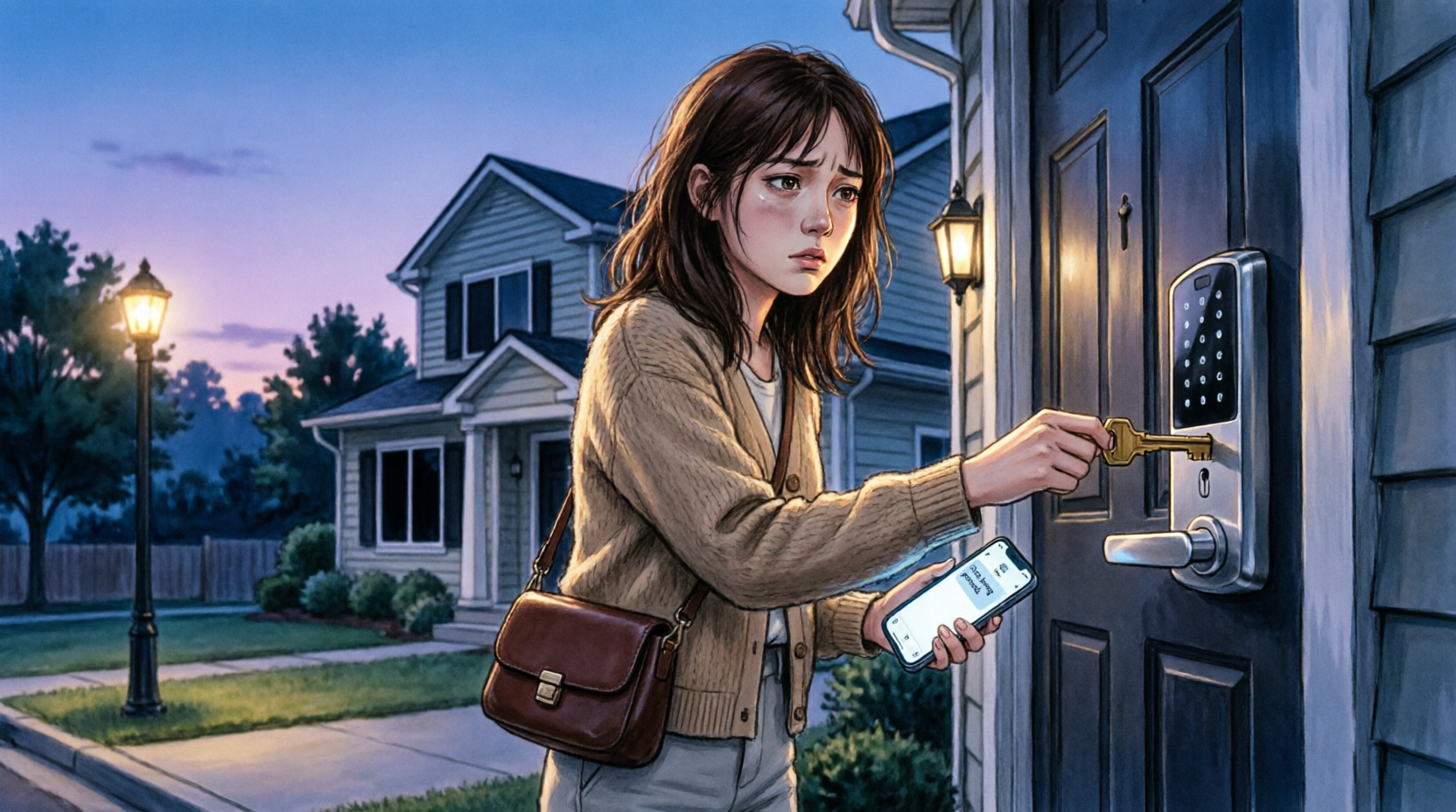
By six fifteen, I was standing on her porch with my hand wrapped around a key that no longer fit the lock.
By seven, I was screaming my daughter’s name so hard my throat tasted like metal.
And by the time the police officer kicked in my sister’s front door and came back out with his face gone gray, I already knew something inside my life had broken.
I just didn’t know how completely.
My daughter’s name is Rosie.
She had turned five only three weeks before everything happened. We had celebrated in our tiny apartment with grocery-store cupcakes, paper streamers, and a crooked purple balloon arch I stayed up past midnight taping to the wall because purple was Rosie’s favorite color.
She wore a glittery tutu over her pajamas and a plastic tiara from the dollar store. She kept correcting everyone, which was mostly just me and my neighbor Beth from upstairs.
“It’s not Rosie,” she said with her hands on her hips. “It’s Princess Rosie the Brave.”
When she leaned over her cupcake to blow out the candle, she squeezed her eyes shut so tightly her whole face wrinkled. Then she whispered her wish out loud by accident.
“I want a puppy. A real one. Not a stuffie.”
I laughed and told her we would talk about it when summer came.
I keep thinking about that now.
Summer.
That word feels different after you have spent three days not knowing where your child is. It feels like something that belonged to another version of you. A woman who worried about rent, preschool lunches, laundry, and whether five was too young for a pet. A woman who still believed bad things happened somewhere else, to people on the news, not on the clean brick porch of her older sister’s perfect suburban house.
My older sister’s name is Genevieve.
Even her name sounds expensive.
She was four years older than me, tall and blonde and pretty in the kind of polished way that made strangers smile at her before she even spoke. Growing up, she was the child my parents bragged about. She won spelling bees, beauty pageants, piano recitals, scholarships. I was the surprise baby who arrived when my mother was forty-one and thought she was done raising children.
They never said I ruined their lives.
They didn’t have to.
My mother, Lorraine, had a way of sighing when she looked at me, like I was a bill that came in the mail every month. My father, Douglas, was quieter but worse somehow. He saved his disappointment for small comments.
“Your sister never struggled with math.”
“Genevieve always kept her room clean.”
“You would do better if you tried harder.”
When I tried harder, it was never enough.
Genevieve learned early that our parents would believe her before they believed me. She broke my toys and told them I had thrown a tantrum. She took my sweaters and said I lost them. When I was twelve, she stole forty dollars from our mother’s purse, bought candy and lip gloss, then slipped one of the wrappers into my backpack.
I cried so hard I hiccupped, swearing I hadn’t done it.
My mother slapped the kitchen counter and said, “Enough lying.”
I spent two months grounded for a crime my sister committed while she smiled at me from across the dinner table.
So no, we were never close.
But families have a way of training you to call hunger love.
When I got pregnant with Rosie, I was married to a man named Derek, who had kind eyes and soft hands and no spine at all. He left when I was seven months along. Said he wasn’t ready. Said fatherhood made him feel trapped. Two weeks later, I saw a photo online of him in California with a woman from his gym, his arm around her waist, both of them smiling at the ocean.
My parents said I should have chosen better.
Genevieve said nothing.
She just looked at my stomach with this strange, unreadable expression and asked if I had considered adoption.
After Rosie was born, everything changed for me.
Not for them.
For me.
The first time I held her, red-faced and furious and alive, I felt something in my chest unlock. I had been unwanted my whole life, but Rosie wanted me. Needed me. Wrapped her tiny fist around my finger like she was making a promise.
I raised her alone.
I worked as a paralegal at a small family law firm downtown. I packed lunches at midnight, paid bills with shaking hands, fixed clogged sinks with YouTube videos, and learned how to braid hair because Rosie wanted “princess hair” for daycare.
I did not have money like Genevieve.
I did not have a husband like Preston, her accountant husband with shiny shoes and a country club membership.
I did not have a big colonial house with white trim and hydrangeas.
But Rosie had bedtime stories. She had pancakes shaped like hearts. She had a mother who showed up for every fever, every scraped knee, every nightmare.
Still, I wanted her to have family.
That was my first mistake.
I took Rosie to family dinners even when my mother praised Genevieve’s twins, Wesley and Margo, for breathing correctly while asking Rosie why she was so shy. I bought birthday gifts for the twins even when no one remembered Rosie’s birthday unless I reminded them twice. I swallowed comments that tasted like poison because I thought dignity meant keeping the peace.
Then, three months before that Saturday, Genevieve changed.
She called me one evening while I was folding laundry on the living room floor.
“Hey,” she said, bright and warm. “How are you?”
I actually looked at my phone to make sure it was her.
She invited me and Rosie to dinner. She let Rosie play with Margo’s dollhouse. She complimented my hair. She asked about my job. She even hugged me when we left, her perfume cold and floral against my cheek.
I should have listened to the tight feeling in my stomach.
Instead, I thought maybe people could change.
Then Genevieve offered to babysit Rosie for my mandatory work conference.
And for the first time in my life, I let myself believe my sister wanted to love us.
That was the first door I opened.
I had no idea she had already changed the locks.
Part 2
The Saturday of the conference started with a gray sky and Rosie singing to her stuffed rabbit in the back seat.
His name was Mr. Floppy, though one of his ears stood straight up from years of being dragged around by it. Rosie had packed him herself, along with three crayons, a granola bar she didn’t like, and a purple plastic ring she said gave her “brave powers.”
I glanced at her in the rearview mirror as we drove toward Genevieve’s house.
“You excited to spend the day with Aunt Gen?”
Rosie nodded, then hesitated.
“Will Margo be there?”
“No, honey. Aunt Genevieve said Uncle Preston is taking Wesley and Margo to their grandma’s.”
Rosie looked out the window. “So just me?”
“Just you.”
She hugged Mr. Floppy tighter. “That’s okay. Maybe Aunt Gen will let me help bake.”
My hands tightened on the steering wheel.
On Thursday, when Genevieve texted, she had made it sound perfect.
Preston’s taking the twins to his mother’s for the day. I thought Rosie and I could have girl time. Cookies, movies, maybe little manicures. You deserve a break.
You deserve a break.
No one in my family had ever said that to me before.
I read the message three times in the break room at work, standing beside the microwave while someone’s leftover fish made the whole room smell awful. My first instinct was no. My second instinct was also no. But then I thought of Tanya, my usual babysitter, being out of town. I thought of my boss reminding us the conference was mandatory. I thought of Rosie missing out on cousins and grandparents and family because I was too afraid to trust anyone.
So I typed, That would actually help a lot. Thank you.
Genevieve sent back a heart emoji.
A heart.
From my sister.
That should have scared me more than it comforted me.
Her house sat at the end of a quiet street lined with maple trees and neat lawns. It was the kind of neighborhood where people owned seasonal wreaths and no one parked on the street overnight. I pulled into the driveway behind her white SUV and helped Rosie unbuckle.
The front door opened before we reached the porch.
Genevieve stood there in pale yoga pants and a silky cream blouse, blonde hair falling in loose waves over one shoulder. She looked like she had been styled for a lifestyle magazine at nine in the morning.
“Rosie!” she said, bending down with her arms open. “There’s my special girl.”
Rosie looked at me first.
That tiny glance should haunt me forever.
She was asking permission without words.
I smiled because I thought I was doing the right thing.
“Go ahead, baby.”
Rosie ran into Genevieve’s arms.
My sister hugged her tightly. Too tightly, maybe. Her fingers pressed into Rosie’s pink sweater, the one with the sparkly unicorn on the front. Then she looked up at me.
“Big day downtown?”
“Yeah. Family law updates. New custody filing procedures, mostly.”
Something flickered across her face.
It was gone too fast for me to name.
“How useful,” she said.
I adjusted Rosie’s backpack on my shoulder and stepped inside just far enough to smell lemon cleaner and vanilla candles. Genevieve’s house always smelled staged, like no real person lived there unless guests were coming.
“I packed snacks, a change of clothes, her tablet, Mr. Floppy—”
Genevieve laughed lightly. “Relax. I raised twins. I think I can handle one five-year-old.”
The words were harmless on paper.
They still cut.
I swallowed. “I know. I just like to be prepared.”
“Of course you do.”
Rosie had already wandered toward the kitchen, where a stack of mixing bowls sat on the counter. Flour. Chocolate chips. A pink apron folded neatly on a stool.
Genevieve had planned this.
I told myself that was kind.
“I’ll be back around six,” I said. “Call me for anything. Seriously, anything.”
“We’ll be fine,” Genevieve said. “Go enjoy your little work thing.”
There it was.
Little.
My little job. My little apartment. My little life.
I kissed Rosie on the forehead. Her skin smelled like strawberry shampoo.
“Be good, Princess Rosie.”
She grinned. “The Brave.”
“The Brave,” I corrected.
As I turned to leave, I noticed something on the entry table.
A folder.
Plain manila. My name was written on a sticky note attached to the front, but before I could look closer, Genevieve slid her hand over it.
“Old paperwork,” she said. “Preston leaves things everywhere.”
I stared at the folder for half a second too long.
Then Rosie called, “Mommy, look! There’s purple sprinkles!”
And I let the moment pass.
That was the second mistake.
The conference took place in a hotel ballroom downtown, the kind with beige carpet and coffee that tasted burnt by ten in the morning. I sat between two coworkers while attorneys discussed custody modifications, emergency guardianship petitions, parental fitness evaluations, and interstate jurisdiction.
Words I knew.
Words I typed into legal documents every day.
Words that would later become the bones of my nightmare.
Around noon, during a break, I texted Genevieve.
How’s Rosie doing?
The response came five minutes later.
A photo.
Rosie sat at Genevieve’s kitchen island, cheeks dusted with flour, both hands in a bowl of dough. Genevieve leaned beside her, smiling wide. Rosie looked happy. Really happy. Purple sprinkles dotted the counter like confetti.
Under the photo, Genevieve wrote, She’s a natural.
I stared at Rosie’s face until my eyes stung.
Maybe I had been unfair. Maybe old wounds made me suspicious of kindness. Maybe my sister had grown up. Maybe motherhood had softened her.
At 3:14, another text came.
She asked if she could call me Mommy Gen as a joke. Kids are hilarious.
I frowned.
Then I reread it and tried to hear it lightly.
As a joke.
Kids said strange things. Rosie sometimes called Tanya “school mommy” because Tanya picked her up from preschool twice a week. It didn’t mean anything.
Still, my lunch sat heavy in my stomach after that.
The conference ended at 5:30. I texted, Heading your way now.
No response.
I told myself she was busy cleaning up.
Traffic was mercifully light. By 5:56, I turned onto Genevieve’s street. The neighborhood had that early-evening quiet that usually felt safe. A dog barked somewhere behind a fence. A sprinkler ticked rhythmically across someone’s lawn. The sky had darkened, clouds pressing low over the rooftops.
Genevieve’s white SUV sat in the driveway.
I parked behind it.
I walked up the porch steps, tired but relieved, already picturing Rosie asleep in the back seat on the drive home.
I reached into my purse for the spare key Genevieve had given me two months earlier.
Another sign of trust, I had thought.
I slid the key into the lock.
It stopped halfway.
I tried again.
Nothing.
I pulled it out, checked the teeth, wiped it on my jacket, and pushed it back in.
The key would not turn.
For a moment, I simply stood there, staring at my hand.
Then I knocked.
“Genevieve?”
The house stayed silent.
I knocked harder.
“Gen, it’s me. I’m here for Rosie.”
Behind the door, I heard nothing.
No footsteps.
No cartoons.
No little voice shouting, “Mommy!”
The porch light buzzed above me.
And for the first time that day, fear stepped close enough for me to feel its breath.
Part 3
I called Genevieve once.
Then twice.
Then six times in a row.
Each call rang once before going to voicemail.
Not a normal voicemail. Not the kind that meant someone was across the room and missed it. One ring, then her cheerful recorded voice saying, “Hi, you’ve reached Genevieve. Leave a message and I’ll get back to you.”
By the fourth time, I hated that voice.
By the sixth, I was shaking so badly I nearly dropped my phone.
I pressed my face to the narrow window beside the front door, but the curtains were drawn. Genevieve never kept those curtains closed during the day. She liked sunlight. She liked neighbors seeing fresh flowers in her entryway and the antique mirror over the console table.
“Rosie?” I called.
My voice sounded too loud on that beautiful porch.
I walked around the side of the house, heels sinking into damp mulch. Every window had curtains pulled tight. The backyard gate was locked with a shiny new padlock. Through the fence slats, I saw the patio furniture covered, the grill closed, the yard empty.
No chalk drawings.
No cookie tray cooling in the kitchen window.
No sign of a child.
I ran back to the front and pounded on the door with the side of my fist.
“Genevieve, open the door!”
The sound echoed down the street.
A curtain twitched at the house across the road.
I didn’t care.
I called Preston. Straight to voicemail. I called again. Same thing. Then I texted Genevieve.
I’m outside. Why isn’t my key working? Where is Rosie?
No answer.
I typed again.
This isn’t funny. Open the door now.
No answer.
The clouds above the neighborhood had turned a heavy bruised purple. Wind moved through the maple trees, making the leaves hiss. I remember that sound clearly because it felt like the street itself was whispering about me.
Finally, I texted my mother.
Mom, I’m at Genevieve’s. She won’t answer. The locks are changed. Rosie is supposed to be inside. Please call her.
Three minutes passed.
I watched the little delivered mark like it was a heartbeat.
Then my mother replied.
Stop being paranoid.
Four words.
I read them once. Twice.
My lips went numb.
I typed, Mom, I’m serious. I can’t get to my daughter.
She didn’t answer.
I texted my father next.
Dad, something is wrong. Genevieve won’t answer. Please help me.
His reply came almost immediately.
Your sister knows what she’s doing.
I stared at that sentence until the letters blurred.
Not, What happened?
Not, Are you okay?
Not, I’ll call her.
Your sister knows what she’s doing.
It was the first time the fear in my chest became something sharper.
Because that did not sound like confusion.
That sounded like permission.
I called my father. It rang and rang until it died. I called my mother. Voicemail. I called both again, standing on my sister’s porch while the light above me buzzed and the air grew colder.
No one answered.
A man from next door stepped out onto his lawn. Older, white hair, wearing a navy cardigan despite the damp air. He crossed his arms and looked at me like I was selling something.
“Everything all right over there?”
“My daughter is inside,” I said, breathless. “My sister was babysitting, but she won’t open the door. Have you seen them?”
He glanced at the house.
“Haven’t seen anyone.”
“Did you hear anything? A child? A car leaving?”
He frowned, uncomfortable now. “I don’t keep track of my neighbors.”
“My daughter is five.”
He shifted his weight. “Maybe you should call your family before making a scene.”
“I did.”
He looked away first.
Then he went back inside and shut the door.
That tiny click nearly broke me.
I banged again. My knuckles were starting to burn.
“Rosie! Baby, can you hear me?”
Nothing.
I imagined her hiding somewhere, confused. Maybe Genevieve had fallen. Maybe there had been an accident. Maybe Rosie was upstairs crying, unable to reach the door. Maybe she had eaten something she was allergic to. Maybe she was hurt.
Maybe.
Maybe.
Maybe.
Each possibility was worse than the last.
At 6:38, my phone buzzed.
A text from Genevieve.
For one bright second, relief flooded me so hard my knees weakened.
Then I read the message.
Rosie is where she belongs now. Stop embarrassing yourself.
I could not breathe.
I read it again, slower this time, because surely I had misunderstood.
Rosie is where she belongs now.
“What does that mean?” I whispered.
My fingers felt clumsy as I typed back.
Where is my daughter?
No answer.
Then another text came, this one from my mother.
We tried to tell you for years. Genevieve can give that child a better life. Don’t make this uglier than it needs to be.
The porch tilted beneath me.
That child.
Not Rosie.
That child.
I sat down hard on the top step, one hand over my mouth. For a few seconds, I made no sound. It was like my body had forgotten how.
Then a noise came out of me that I had never heard before.
Half sob.
Half animal.
I called 911.
The dispatcher asked for my address, my emergency, my name. I stumbled through the explanation, trying not to scream, trying to sound like a reasonable person while my mind clawed at the walls.
“My daughter is five. My sister had her. I came to pick her up and the locks are changed. No one will answer. My family is texting like they planned something. Please send someone. Please.”
“Officers are on the way,” the dispatcher said. “Stay on the line with me.”
I stayed.
I kept one hand against the door as if I could feel Rosie through it.
At 6:57, a police cruiser turned onto the street.
The officer who stepped out was broad-shouldered, dark-haired, and calm in a way that made me want to collapse at his feet. His badge said Torres.
I ran down the steps before he reached the walkway.
“Please,” I said. “Please, my daughter is in there.”
He raised both hands gently. “Ma’am, slow down. Tell me from the beginning.”
“I dropped her off this morning. My sister sent me pictures. I came back and my key doesn’t work. She won’t answer. My parents know something. Look.”
I shoved my phone toward him.
He read Genevieve’s text first.
His face changed.
Not dramatically. Not like in movies. His jaw tightened. His eyes sharpened.
Then he read my mother’s.
“Do you have legal custody of your daughter?” he asked.
“Yes. Sole custody. Her father isn’t involved. I have documents at home, but yes. She’s mine. She’s my child.”
He nodded. “Has your sister ever threatened to take her before?”
“No,” I said.
Then I stopped.
Because Genevieve had never said those exact words.
But she had said other things.
Rosie would thrive in a better school district.
Kids need two-parent homes.
Some women aren’t built for motherhood.
Little comments I had filed away under cruelty, not danger.
Officer Torres knocked on the door hard enough to shake it.
“Police department. Open the door.”
Silence.
He rang the bell.
Nothing.
He walked the perimeter while I stood in the driveway, hugging myself so tightly my nails dug into my arms. When he returned, his expression was grim.
“All curtains drawn. No visible movement.”
“Please,” I said. “Please go in.”
He looked at the door.
Then at me.
Then back at the door.
“Given the texts and the welfare concern, I’m going to make entry. Stay back.”
He kicked once.
The doorframe cracked.
He kicked again.
The door flew open.
He drew his weapon and stepped into my sister’s perfect house.
“Police! Anyone inside, make yourself known!”
His voice moved through the rooms.
Then upstairs.
Then farther away.
I waited on the porch, hands clasped so tightly they hurt.
Five minutes passed.
Maybe ten.
Then Officer Torres came back.
His face was pale.
Too pale.
“Ma’am,” he said quietly, “you shouldn’t come inside.”
The world narrowed to his mouth, his badge, the broken door behind him.
“Why?” I asked.
He swallowed.
And whatever he had seen in that house had frightened him enough that his hand trembled when he reached for his radio.
Part 4
“She’s not here,” Officer Torres said.
For one second, relief hit me so hard I nearly fell.
Rosie wasn’t inside that silent house. Rosie wasn’t lying hurt at the bottom of the stairs. Rosie wasn’t locked in a closet crying for me. She wasn’t behind those drawn curtains.
Then the rest of his face caught up with his words.
And the relief turned to ice.
“What do you mean she’s not here?” I demanded. “Where is she?”
“I don’t know yet.”
“Then why did you say I shouldn’t look?”
He glanced back through the broken doorway. The inside of Genevieve’s house was dark except for one hallway light, golden and weak against the polished floors. It smelled faintly of vanilla candles and something burnt. Cookies, maybe.
“I found something upstairs,” he said. “A room. I need backup before anyone else goes in.”
“A room?”
“Ma’am—”
“No. Don’t ma’am me. My daughter is missing. Tell me what you found.”
His eyes softened, but his voice stayed firm. “There are documents. Photographs. A lot of them. Notes about your daughter. It appears planned.”
My ears filled with a roaring sound.
Planned.
That word cracked something open.
Two more patrol cars arrived within minutes. Then a detective. Then another. Neighbors came outside and stood in little clusters, pretending not to stare while staring with their whole bodies.
Yellow tape went up across Genevieve’s porch.
My sister’s porch.
The same porch where she had hugged Rosie that morning.
A woman in a dark blazer introduced herself as Detective Monica Hernandez. She had black hair pulled into a low bun and eyes that missed nothing.
“I understand this is your daughter, Rosie?” she asked.
“Yes.”
“Full name?”
“Rosalie Mae Carter.”
“Age?”
“Five.”
“What was she wearing when you dropped her off?”
“Pink sweater. Unicorn. Matching leggings. Light-up sneakers. Her hair was in two braids with purple clips.”
I said it all too fast.
Detective Hernandez wrote every word down.
“Does your sister have permission to take Rosie anywhere overnight?”
“No.”
“Does anyone else have custody rights?”
“No. Her father left before she was born. I have sole custody.”
“Do you have custody papers?”
“At home. I can get them.”
“We’ll send someone with you later. Right now, I need you to think. Has Genevieve ever expressed unusual interest in Rosie?”
I almost laughed.
Unusual interest?
My sister had ignored Rosie for most of her life unless there was an audience. She forgot birthdays. She gave backhanded compliments. She once told Rosie not to touch Margo’s doll because “some toys are too nice for sticky hands.”
But lately…
Lately she had changed.
“She started being nice,” I said slowly.
Detective Hernandez looked up.
“When?”
“About three months ago. She invited us over more. Asked questions about Rosie. Offered to babysit. She gave me a spare key.”
“The key that didn’t work today?”
I nodded.
“Anything else?”
I thought of the text at 3:14.
She asked if she could call me Mommy Gen as a joke.
The words crawled over my skin now.
I showed the detective.
Her mouth tightened.
“Anything like this before?”
I scrolled through old messages with shaking fingers. There were more. Things I had dismissed because I wanted peace.
Rosie told me she likes my house because it feels like a castle.
Poor thing fell asleep so easily here. She must be exhausted at your place.
She said she wishes she had a backyard. Kids need space.
At the time, I had swallowed each little insult and moved on.
Now Detective Hernandez photographed them all.
An officer came out carrying a clear evidence bag.
Inside was Rosie’s purple hair clip.
Not both clips.
One.
I saw it and made a sound.
Detective Hernandez stepped closer. “We found this near the kitchen table. That does not mean she was harmed.”
“Then what does it mean?”
“It means she was here.”
“I knew she was here.”
“I know.” Her voice softened. “But now we can prove it.”
After what felt like hours, they allowed me to see the room.
Not alone. Detective Hernandez walked beside me. Officer Torres stayed behind us, quiet as a shadow.
The room had once been a guest bedroom. I remembered pale blue walls, a white bedspread, a vase of fake lavender on the dresser.
Now the bed was gone.
The walls were covered.
Photographs of Rosie were taped everywhere.
Rosie at her birthday party. Rosie at the park. Rosie asleep in my lap at Thanksgiving two years ago. Rosie standing outside preschool with paint on her hands. Some pictures I recognized from my own social media.
Others I did not.
My stomach lurched.
There were photos taken from a distance. Through a fence at her preschool playground. Outside our apartment building. In the grocery store parking lot.
My hand flew to my mouth.
On a folding table sat stacks of papers. Copies of Rosie’s birth certificate. Medical forms. Preschool reports. Printed emails. A photocopy of my driver’s license. Notes in Genevieve’s perfect handwriting.
Favorite foods: strawberries, chicken nuggets, butter noodles.
Comfort object: gray rabbit, answers to Mr. Floppy.
Fear responses: cries quietly first, then asks for mother.
Trust patterns: affectionate with familiar adults.
I backed into the wall.
“Why would she write that?” I whispered.
Detective Hernandez didn’t answer.
Because there was another wall.
A timeline.
Rosie’s name was written at the top in purple marker.
Birth. First steps. First words. First fever. First day of preschool. Birthday. Favorite songs. Allergies. Sleep habits.
Then the notes changed.
They became colder.
More practical.
Mother works full time. Limited support system.
Apartment small. No yard.
No father in household.
Child adaptable.
Likely to bond if transition framed positively.
At the bottom, circled in red, was that day’s date.
Beside it, Genevieve had written two words.
Transition Day.
My legs stopped holding me.
Officer Torres caught my elbow before I hit the floor.
Transition Day.
Not babysitting day.
Not girls’ day.
Transition Day.
Detective Hernandez’s phone rang. She stepped into the hallway, listened, then came back with a sharper urgency in her face.
“We found Genevieve’s SUV,” she said.
My breath caught. “Where?”
“Bus station forty miles south. Empty.”
“Empty?”
She nodded.
“There’s security footage. Your sister, her husband, the twins…”
I waited.
The hallway light flickered overhead.
“And Rosie,” she finished. “Rosie was with them.”
For a moment, my heart beat again.
“She was alive?”
“She was walking. Carrying a stuffed rabbit.”
I closed my eyes.
Alive.
Walking.
Carrying Mr. Floppy.
Then Detective Hernandez said the part that made the floor vanish under me all over again.
“They left in a rental car three hours ago.”
Part 5
The police station smelled like coffee, old paper, and rain-soaked jackets.
I sat in a plastic chair under fluorescent lights while strangers moved around me with clipped voices and ringing phones. Every few minutes, someone asked me another question. Every answer felt like pulling glass from my throat.
Rosie’s full name.
Rosie’s birth date.
Rosie’s height.
Rosie’s weight.
Rosie’s favorite stuffed animal.
Whether she had allergies.
Whether Genevieve knew those allergies.
Whether Genevieve had ever watched her overnight.
Whether I knew where they might go.
I kept saying no.
No, I didn’t know.
No, I had never agreed to this.
No, my sister did not have permission.
No, my parents did not have rights.
No, no, no.
The word became useless.
Detective Hernandez spread a map across a conference table. Pins and highlighted routes marked highways leading out of state. Genevieve had a head start, cash, and a husband who knew how to move money. Preston’s phone was off. Genevieve’s was off. My parents’ phones were suddenly off too.
“They planned for this,” Detective Hernandez said.
Her voice was steady, but I could see anger beneath it.
On the table lay printed stills from the bus station footage.
Genevieve in sunglasses and a beige coat, pulling a suitcase.
Preston carrying two duffel bags.
Wesley and Margo trailing behind, both wearing baseball caps.
And Rosie.
My Rosie.
Small in her pink unicorn sweater, clutching Mr. Floppy to her chest. Her braids were loose. One purple clip missing. She looked tired and confused, but not terrified.
That almost hurt worse.
She trusted them.
She thought Aunt Gen was taking her somewhere safe.
Maybe she thought I knew.
Maybe she had asked where I was.
Maybe Genevieve had smiled and lied.
I pressed two fingers to Rosie’s image on the paper.
“Baby,” I whispered.
Detective Hernandez gave me one second. Then she continued.
“We’re issuing an Amber Alert. We’re contacting rental agencies, bus terminals, airports, state police. We’re also getting warrants for financial records and digital devices.”
“What about my parents?”
“They’re being located.”
“They know something.”
“I believe you.”
Those three words nearly undid me.
I believe you.
My own parents had never offered me that.
At 11:42 that night, two officers drove me home to get custody papers, recent photos, and anything that could help. My apartment looked exactly as we had left it that morning. Rosie’s cereal bowl sat in the sink. Her rain boots leaned by the door. A purple crayon lay under the coffee table.
Normal things.
Cruel things.
I went into her room and froze.
Her bed was unmade, the comforter twisted from where she had climbed out early that morning. Her pajamas were on the floor. A library book about frogs sat open beside her pillow.
I touched the pillow.
It still smelled like her shampoo.
The officer behind me cleared his throat softly. “Take your time.”
I wanted to scream that there was no time.
Instead, I gathered documents from the file box in my closet with hands that no longer felt attached to me. Birth certificate. Custody order. Medical insurance card. Preschool enrollment. Recent photos from her birthday.
One picture showed Rosie grinning with purple frosting on her nose.
I almost couldn’t hand it over.
Back at the station, Detective Hernandez had new information.
Genevieve had tried to apply for a passport for Rosie six weeks earlier.
My chair scraped the floor as I stood. “What?”
“The application was denied. The documents were flagged.”
“What documents?”
“She claimed legal guardianship.”
The room pulsed.
“She forged papers?”
“That appears to be the case.”
I thought of the manila folder on the entry table that morning.
My name on a sticky note.
Genevieve’s hand sliding over it.
Old paperwork, she had said.
I gripped the back of the chair.
“She was doing this while inviting me to dinner,” I said. “While smiling at my daughter.”
Detective Hernandez looked at me for a long second.
“People can perform kindness very convincingly when they want access.”
That sentence stayed with me.
It still does.
Around two in the morning, they brought my parents in.
Not arrested yet. Questioned.
I saw them through a glass window in another room.
My mother wore pearl earrings and a raincoat, her hair perfectly curled despite the hour. My father sat beside her, arms crossed, jaw set. They looked inconvenienced. Not frightened. Not ashamed.
Inconvenienced.
Detective Hernandez asked if I wanted to be elsewhere.
“No,” I said.
So I watched.
I couldn’t hear everything at first, only muffled voices through the wall. Then another officer opened the door near me, and my mother’s voice carried down the hall.
“She is unstable. She always has been. Genevieve was trying to protect that little girl.”
That little girl.
Not Rosie.
Never Rosie.
My father said, “You people don’t understand family matters.”
Family matters.
As if stealing a child was a disagreement over Thanksgiving seating.
Detective Hernandez came out twenty minutes later looking colder than before.
“They’re not cooperating.”
“I figured.”
“Your mother says Rosie would be better off with Genevieve.”
I laughed once. It sounded broken.
“My mother also said I cried too much as a baby.”
The detective’s expression softened for half a second.
Then her phone buzzed.
She looked at it.
“Excuse me.”
She walked away.
I watched her read whatever had arrived. Her shoulders straightened. She turned back toward me.
“They found the rental car.”
Every nerve in my body lit up.
“Where?”
“Abandoned behind a closed motel near Albany.”
“Was Rosie—”
“No one was inside.”
My lungs collapsed.
“But we found items in the car,” she said. “Snack wrappers. Children’s clothes. A receipt.”
“What receipt?”
“A gas station purchase. Northern route. Cash payment.”
Northern.
My mind scrambled through family history. Northern where? New York? Canada? Maine?
Then I remembered something my father once said at Christmas, years ago, after too much bourbon.
Your grandmother’s cabin is still sitting up in Vermont. Waste of a good property.
I had never been there.
Genevieve had.
My father had the keys.
I grabbed Detective Hernandez’s arm before I realized I had moved.
“There’s a cabin,” I said.
Her eyes sharpened.
“Where?”
“I don’t know exactly. Vermont. It belonged to my grandmother. Family trust. My parents would know.”
Detective Hernandez turned toward the interrogation room.
Inside, my mother sat perfectly still.
But through the glass, for the first time all night, I saw fear flicker across her face.
Part 6
My mother lied for forty-seven minutes.
I watched through the glass as Detective Hernandez asked about the cabin, and my mother smiled with this soft, offended expression she used whenever someone accused her of something true.
“A cabin?” she said. “I have no idea what you mean.”
My father stared at the table.
That was how I knew.
He always got quiet when my mother lied too boldly.
Detective Hernandez placed a photograph on the table. A still from the bus station. Rosie’s tiny body circled in red.
“Where is she, Lorraine?”
My mother’s lips tightened.
“With people who love her, I hope.”
I flinched like she had slapped me.
The detective leaned forward.
“Your granddaughter is five years old. She was taken across state lines. Every minute you waste makes this worse for everyone involved.”
“My daughter did what any good mother would do.”
“Genevieve is not Rosie’s mother.”
“She should have been.”
The words landed in me and stayed there.
She should have been.
Not, Genevieve can help.
Not, Genevieve is concerned.
She should have been.
As if Rosie had been assigned to the wrong woman at birth.
As if I had stolen my own child from my sister simply by giving birth to her.
My father finally spoke.
“Lorraine.”
Just her name.
A warning.
She shot him a look so sharp it could have cut paper.
Detective Hernandez noticed.
So did I.
They separated them after that.
My father lasted less than twenty minutes alone.
Not because he suddenly developed a conscience. I do not believe that. My father cared about comfort, reputation, and avoiding consequences. Sitting in that room without my mother’s glare holding him upright, he folded.
He claimed he didn’t know the full plan.
He claimed he thought Genevieve was only taking Rosie “for a few days.”
He claimed they all believed I would calm down eventually.
He claimed a lot of things.
But he gave them the county.
Then the road.
Then the name of the property manager who had once repaired the roof.
By dawn, Vermont state police were involved.
By sunrise, I had been awake for twenty-four hours.
My body had gone strange from fear. My hands shook, but my thoughts felt slow. Someone placed a paper cup of coffee in front of me. I held it until it went cold.
Detective Hernandez sat beside me around seven in the morning.
“We have teams moving toward the property.”
I looked at her. “Is she there?”
“We don’t know yet.”
“Is she alive?”
Her face did not change. “The last confirmed footage shows her alive.”
“That’s not what I asked.”
“I know.”
I turned away because I hated her answer and respected her for not lying.
The next hours were not hours.
They were punishment.
My phone kept buzzing with messages, but none were from Genevieve. Reporters somehow got my number after the Amber Alert went public. Distant relatives texted things like Is this true? and Call me when you can. One cousin wrote, I always knew Genevieve was intense, but wow.
Wow.
My daughter was missing, and people were texting wow.
At 10:12, Aunt Patricia called.
Patricia was my mother’s younger sister. We were not close, but she had always been kinder than the rest. She sent Rosie birthday cards with five-dollar bills tucked inside. She once told me at Thanksgiving, after watching my mother criticize my parenting for ten straight minutes, “You’re doing better than they deserve.”
I answered with a cracked voice.
“Patricia?”
“Oh honey,” she said, already crying. “I didn’t know. I swear to God, I didn’t know.”
“Do you know where they are?”
“I heard your mother say something months ago. I thought it was nonsense. She mentioned the cabin and said Genevieve needed a place where things could ‘settle.’ I thought maybe marital problems, maybe Preston. I didn’t—”
“Patricia. Do you have an address?”
“No, but I know the old name. Maple Hollow. Your grandfather used to call it Maple Hollow.”
I mouthed the words to Detective Hernandez, who immediately started typing on her phone.
“There was a caretaker,” Patricia continued. “A man named Ellis. Ellis Boone, maybe. He lived near there.”
Detective Hernandez snapped her fingers for another officer.
“Say that again,” I told Patricia.
She repeated it.
Ellis Boone.
Maple Hollow.
The room moved fast after that.
Property records. Old tax documents. Local police contacts. A narrow road outside a town I had never heard of.
A place remote enough to hide.
A place my family had kept like a secret.
At 1:36 p.m., Detective Hernandez’s phone rang.
She walked away to answer.
I stood up without meaning to.
Across the room, Officer Torres looked at me. He had stayed long past his shift. His eyes were red from exhaustion, but he gave me a small nod as if to say breathe.
I couldn’t.
Detective Hernandez turned back toward me.
I knew before she spoke that something had happened.
“They found the cabin.”
The station around me went silent.
I heard a printer hum. A phone ring once. Rain tapping against the window.
“And?” I asked.
“Genevieve and Preston were there.”
My hands flew to my chest.
“Rosie?”
Detective Hernandez’s expression shifted.
Not grief.
Not horror.
Something gentler.
“She’s alive.”
The sound that came out of me was not language.
I folded forward, sobbing so hard I couldn’t stand. Officer Torres caught one arm. Someone else pulled a chair behind me.
“She’s physically unharmed,” Detective Hernandez said, crouching in front of me. “Scared. Crying for you. But alive.”
“Can I go? Please. I need to go.”
“We’re arranging transport details.”
“I can drive.”
“You haven’t slept.”
“I can drive.”
No one argued for long.
They gave me the address of the Vermont police station where Rosie had been taken after medical evaluation. Detective Hernandez told me to be careful. Officer Torres pressed a bottle of water into my hand.
I drove north with the windows cracked because cold air was the only thing keeping me conscious. The highway blurred. My phone sat in the cup holder, plugged in, screen glowing with the map. Every mile felt personal. Every slow car felt like an insult.
At a rest stop, I pulled over and threw up beside my car.
Then I kept driving.
As I crossed into Vermont, the sky cleared just enough for sunlight to break through the clouds in thin, pale strips.
I wanted to believe it meant something.
I arrived at the police station after dark.
My legs nearly failed when I stepped out of the car.
Inside, a female officer led me down a short hallway.
“She’s been asking for you,” she said.
I pressed both hands over my mouth.
We turned a corner.
And there she was.
Rosie.
Small. Pale. Wearing the same pink unicorn sweater, now wrinkled and stained. Her braids had come undone. Mr. Floppy was clutched under her chin.
For half a second, she only stared.
Then her face crumpled.
“Mommy?”
I fell to my knees.
She ran into me so hard it hurt.
And as I wrapped my arms around my daughter, alive and warm and sobbing against my neck, I saw two things over her shoulder.
A scratch on her wrist.
And a hospital bracelet with a name I did not recognize.
Part 7
The bracelet said Violet Grace Sullivan.
Not Rosalie Mae Carter.
Violet.
Grace.
Sullivan.
I stared at those three words printed in black on the white plastic band around my daughter’s wrist, and something hot and violent moved through me.
“Why does this say Violet?” I asked.
The officer beside us looked uncomfortable.
Rosie buried her face deeper into my shoulder.
“They said that was my new name,” she whispered.
My arms tightened around her before I could stop myself.
Her little body stiffened, and I immediately loosened my hold.
“I’m sorry, baby. I’m sorry.”
She smelled wrong.
Not bad. Just wrong.
Different shampoo. Wood smoke. Someone else’s laundry detergent. A faint sour smell of fear beneath it all.
I kissed her hair again and again, trying to breathe her back into my body, trying to undo every minute she had spent away from me.
A doctor checked her while I sat beside the exam table holding her hand. Rosie answered questions in a small voice. Yes, she had eaten. No, nobody hit her. Yes, Aunt Genevieve yelled. No, she wasn’t allowed to use the phone. Yes, she slept in a room with bunk beds. No, she didn’t know where Wesley and Margo were now.
When the doctor gently touched the scratch on her wrist, Rosie looked at the floor.
“How did this happen?” I asked.
She twisted Mr. Floppy’s ear.
“Aunt Gen pulled me when I wanted to go outside.”
The room became very quiet.
“Pulled you how?” the doctor asked carefully.
Rosie demonstrated by wrapping her little hand around her own wrist.
“She said bears would get me.”
Bears.
I closed my eyes.
They had put bars on the cabin windows and told my daughter it was for bears.
After the medical exam, they gave us a private room with two chairs, a table, and a box of tissues. Rosie climbed into my lap even though she was too big to fit there the way she used to. I held her anyway.
She spoke in pieces.
Aunt Genevieve said Mommy knew.
Uncle Preston said it was an adventure.
Margo cried in the car because she missed her tablet.
Wesley asked why they had to change cars.
At the cabin, Genevieve became different.
No more cookie voice. That was what Rosie called it.
“She used her cookie voice when we left,” Rosie said. “Then at the cabin she used her mean voice.”
“What did the mean voice say?”
Rosie looked at me with eyes too old for five.
“She said I had to stop asking for you.”
My throat closed.
“She said you were too busy for me now.”
“No,” I said immediately. “No, baby. That was a lie. I was looking for you every second.”
“I told her you would come.”
My tears fell before I could turn away.
Rosie touched my cheek with her sticky little fingers.
“And you did.”
I broke.
Not dramatically. Not loudly. I just bent over her and cried into her hair while she patted my shoulder the way I always patted hers after nightmares.
“I’m sorry,” I kept saying. “I’m so sorry.”
Rosie leaned back, serious. “Did I do bad?”
“No.” I took her face in both hands. “You did nothing wrong. Nothing. Grown-ups did bad things. Not you.”
“Aunt Gen said you would be mad if I didn’t listen.”
“I am not mad at you.”
“Grandma said I was lucky.”
My breathing changed.
Rosie saw it and shrank a little.
I forced my voice gentle. “Grandma said that?”
Rosie nodded. “Before we went in the car. On the phone. Aunt Gen put it on speaker and Grandma said I was going to have a real family now.”
There it was.
The blade, pushed all the way in.
A real family.
I thought of every family dinner where I sat at the far end of the table while my mother asked Genevieve about vacation plans and barely asked Rosie about preschool.
I thought of every time I convinced myself that crumbs were better than nothing.
I thought of the little girl I had been, standing in kitchens, bedrooms, hallways, trying to explain myself to people determined not to believe me.
And then I looked at my daughter.
My daughter, who had waited for me.
My daughter, who had told them I would come.
Something inside me settled.
Not healed.
Not softened.
Settled.
I would never ask those people to love us again.
Detective Hernandez arrived the next morning with two Vermont officers and a folder thick enough to make my stomach hurt. Genevieve and Preston were in custody. My parents had been arrested back home after additional evidence connected them to the plan.
I held Rosie’s hand under the table while the detective explained only what I needed to know.
The cabin had been prepared for a long stay.
Food. Clothes. Children’s books. Art supplies. Cash. Fake documents.
“They had school enrollment forms,” Detective Hernandez said.
“For Rosie?”
She hesitated.
“For Violet Grace Sullivan.”
Rosie was coloring with a dull green crayon someone had given her, but her hand paused at the name.
I covered her ears gently.
“Can someone take her out for a minute?” I asked.
A victim advocate led Rosie to the hallway with the promise of apple juice.
Only when the door closed did I let my voice change.
“What exactly were they planning?”
Detective Hernandez laid a photo on the table.
A fake birth certificate.
Genevieve listed as mother.
Preston listed as father.
Violet Grace Sullivan.
Date of birth: Rosie’s birthday.
My vision tunneled.
“They were erasing her,” I said.
The detective did not correct me.
“They had altered medical records. A new vaccination form. Enrollment paperwork for a private school under the fake name. We also found notes about relocating again after a few months.”
“Where?”
“Maine, possibly. Then Canada later, if they could get documents.”
I gripped the edge of the table.
“How long had they planned this?”
“Months at least.”
“And my parents?”
Her face hardened.
“They helped prepare the cabin.”
I stopped breathing.
“My father gave them access. Your mother assisted in gathering photos and personal information.”
I thought of birthday parties. Holidays. My mother holding her phone up and telling Rosie to smile.
Not memories.
Evidence.
Detective Hernandez slid another page forward.
“This is from Genevieve’s notebook.”
I did not want to look.
I looked anyway.
At the top of the page, in my sister’s perfect handwriting, were the words:
Rosie Transition Plan.
Below that, bullet points.
Gradual bonding through visits.
Establish Aunt Gen as safe maternal figure.
Undermine mother gently.
Introduce new name only after removal.
Avoid direct fear. Frame as adventure.
My nails dug into my palms.
The door opened, and Rosie came back holding apple juice with both hands.
I folded the paper before she could see it.
She climbed into my lap.
“Can we go home?” she asked.
I looked over her head at Detective Hernandez.
“Yes,” I said.
But as I held my daughter close, I knew home was no longer just a place.
It was going to have to become a fortress.
Part 8
The drive home took seven hours.
Rosie slept through most of it, curled in her car seat with Mr. Floppy tucked under her chin, her face turned toward the window. Every time she whimpered, my whole body snapped awake.
I had not slept more than twenty minutes at a time in days, but fear had become stronger than exhaustion.
At a rest stop somewhere in Massachusetts, Rosie woke and asked for chicken nuggets.
Just that.
No tears. No questions. No mention of cabins or fake names or locked windows.
“Can I have nuggets, Mommy?”
The normalness of it nearly split me open.
I bought nuggets, apple juice, and a chocolate chip cookie bigger than her hand. We sat in a plastic booth while rain streaked the windows and truck drivers moved in and out with paper cups of coffee.
Rosie dipped one nugget in ketchup and looked at me.
“Are we still getting a puppy in summer?”
I laughed once, then covered my mouth because it came out like a sob.
“We can talk about it,” I said.
“That means maybe.”
“That means maybe.”
She considered this, then nodded like a tiny judge.
“Maybe is okay.”
When we reached our apartment building after dark, my neighbor Beth was waiting in the lobby.
Beth was in her seventies, widowed, with silver hair and a collection of cardigans for every season. Before all this, our relationship had been polite but shallow. Mailbox greetings. Elevator smiles. Once she brought Rosie a candy cane at Christmas.
That night, she was holding a casserole dish wrapped in a towel.
When she saw Rosie, her eyes filled with tears.
“Oh, sweetheart,” she said softly.
Rosie hid behind my leg.
Beth didn’t push. She just set the casserole on the lobby table and stepped back.
“I made dinner,” she said. “And cookies. They’re upstairs by your door. You don’t have to talk.”
I tried to thank her, but no sound came.
Beth touched my arm once.
“Community takes care of community,” she said. “That’s how it’s supposed to work.”
I did not know then how much I would need those words.
Our apartment looked smaller when we walked in. Smaller, but ours. The purple balloon arch from Rosie’s birthday still sagged in the corner because I had not had the heart to take it down. Her toys sat scattered near the couch. Her rain boots waited by the door.
Rosie walked room to room touching things.
Her bed.
Her bookshelf.
Her little table.
The stuffed animals lined against the wall.
Then she turned to me.
“Can Aunt Gen come here?”
“No,” I said.
“Can Grandma?”
“No.”
“Grandpa?”
“No.”
She nodded slowly.
“Good.”
I slept on the floor beside her bed that night because she asked me not to leave. At 2:13 a.m., she woke screaming.
Not crying.
Screaming.
“They’re changing my name!”
I gathered her in my arms while she kicked and fought, still half trapped in the dream.
“No one is changing your name,” I said over and over. “You are Rosie. You are my Rosie. You are home.”
It took twenty minutes for her breathing to slow.
After she fell asleep again, I sat in the dark and stared at the wall until morning.
The next weeks were a blur of police calls, legal appointments, therapy intake forms, news vans parked outside Genevieve’s house, and reporters leaving messages I never returned.
Genevieve and Preston were held without bail.
My parents made bail.
That part almost destroyed me.
The judge ordered no contact, but a piece of paper feels thin when the people on the other side have already proven they do not respect lines. My attorney, Diana Okonkwo, helped me get emergency protective orders. She was a family law attorney who had heard about the case through a colleague at my firm and offered to represent me pro bono.
The first time I met her, she wore a navy suit and looked directly into my eyes.
“We are going to build walls around you and your daughter,” she said. “Legal ones first. Practical ones after.”
I cried in her office.
Not because she was kind, though she was.
Because she sounded certain.
Certainty had become rare.
Diana helped me change daycare pickup permissions, freeze Rosie’s records, notify her pediatrician, lock down school information, and file civil claims. She told me the criminal case was strong. Federal kidnapping. Fraud. Forgery. Conspiracy. Accessory charges.
Words that sounded too big for my family and exactly right at the same time.
At work, I expected awkwardness.
Instead, my boss Harold called me into his office on my first day back. Harold was a gruff senior partner with a voice like gravel and the emotional range of a locked filing cabinet.
He closed the door.
“I have three daughters,” he said.
That was all he managed before his jaw tightened.
Then he slid an envelope across the desk.
Inside was a card signed by everyone at the firm and gift cards for groceries, gas, restaurants, and a children’s clothing store. The receptionist who once scared me had written, We believe you. Rosie is lucky to have you.
I cried again.
It seemed unfair that strangers could be gentle when my own mother had sharpened herself against me my entire life.
Rosie began seeing a child psychologist named Dr. Whitfield, who had warm eyes and a room full of puppets. At first, Rosie only played. Then she started drawing houses with bars on the windows.
One day, she drew two mothers.
One was small with brown hair.
One was tall with yellow hair and no face.
Dr. Whitfield asked who they were.
Rosie pointed to the small one. “That’s my real mommy.”
Then the faceless one.
“That’s the pretend mommy.”
I went into the bathroom afterward and cried into a paper towel.
The grief came strangely.
I expected anger. I had anger. Plenty of it.
But grief surprised me.
I grieved the family I never had, the sister I kept hoping might soften, the parents I had spent thirty-two years trying to impress. I grieved every Thanksgiving where I mistook being tolerated for being included. Every phone call where I hoped my mother might ask how I was and mean it.
They were alive.
But I had lost them.
Or maybe I had finally accepted they had never been mine.
One afternoon, Diana called.
“I need to prepare you,” she said.
“For what?”
“Your mother is trying to claim she was manipulated by Genevieve.”
I laughed.
A real laugh this time.
Cold and humorless.
“My mother trained Genevieve.”
“I know.”
“No. You don’t. Genevieve is a blade, but my mother is the hand that sharpened it.”
There was silence on the line.
Then Diana said, “Then we’ll prove that.”
Two days later, she sent me a transcript from my mother’s police interview.
I opened it sitting at my kitchen table while Rosie watched cartoons in the living room.
One line was highlighted.
That baby deserved a real mother.
I read it once.
Then again.
Then I closed the laptop very gently.
Not because I felt calm.
Because I had finally understood something.
My mother had not failed to love me by accident.
She had chosen not to.
And now she had chosen war.
Part 9
The preliminary hearing was the first time I saw Genevieve after the kidnapping.
I thought I was prepared.
I wasn’t.
She walked into the courtroom wearing a pale gray suit, her hair pulled back, wrists cuffed in front of her. Even in custody, she looked composed. Annoyed, maybe. Tired. But not destroyed.
Not the way I had been.
Preston followed behind her with his head down. He looked smaller than I remembered, his expensive posture gone. Without his tailored jackets and confident smile, he was just a man who had helped steal a child and failed.
Then my parents entered.
My mother saw me first.
For one brief second, her face changed.
Not guilt.
Not regret.
Disgust.
As if I had embarrassed the family by surviving loudly.
My father would not look at me.
Diana sat beside me, one hand resting near mine but not touching. She had told me before we went in, “You don’t owe them eye contact.”
So I didn’t give it.
The prosecutor laid out the evidence with brutal clarity.
The fake documents.
The passport attempt.
The room in Genevieve’s house.
The altered medical records.
The cabin supplies.
The rental car switch.
The texts.
Each piece was another nail.
Genevieve’s attorney tried to paint her as a concerned aunt who panicked over Rosie’s living conditions. He said Genevieve believed she was acting in the child’s best interest. He mentioned my small apartment, my long work hours, Derek’s abandonment, my lack of “extended support.”
I felt the courtroom tilt.
There it was again.
The old story.
I was less because I had less.
Diana leaned toward me.
“Breathe.”
The prosecutor stood slowly.
“Concerned relatives call child protective services,” she said. “They file petitions. They request welfare checks. They do not forge birth certificates, change a child’s name, transport her across state lines, and hide her in a cabin with barred windows.”
The judge’s face hardened.
Genevieve stared straight ahead.
Then came the jail calls.
I did not know they had recorded calls between Genevieve and my mother after the arrests.
The prosecutor played one.
My mother’s voice filled the courtroom.
“You should have waited longer. She was always going to make a scene.”
Then Genevieve.
“She would have ruined everything if we waited. Rosie was ready.”
Rosie was ready.
Like my daughter was dough to be shaped.
Like love could be transferred through planning.
Then my mother again.
“The little girl would have adjusted. Children forget.”
Children forget.
I pressed my nails into my palm until pain steadied me.
The prosecutor stopped the recording.
“No further argument on bail, Your Honor.”
Genevieve did not get bail.
Preston did not get bail.
My parents’ bail conditions were tightened, and electronic monitoring was added. My mother looked furious. My father looked old.
Outside the courthouse, reporters shouted questions.
“Do you have anything to say to your sister?”
“Do you forgive your parents?”
“How is your daughter doing?”
I kept walking.
But one question followed me down the steps.
“Do you think they loved Rosie?”
That stopped me.
For one second, I turned.
Diana whispered, “You don’t have to.”
I knew I didn’t.
But I wanted to.
“They loved the idea of owning her,” I said. “That is not the same thing.”
The clip went everywhere.
By that evening, my phone was full of messages.
Some supportive.
Some cruel.
People I had not spoken to since high school suddenly had opinions. A woman from Genevieve’s church wrote that forgiveness would free me. A man with no profile picture said children need wealthy families. One of my mother’s friends left a voicemail saying I had always been dramatic and should have handled it privately.
Privately.
As if my daughter had been misplaced at a picnic.
I deleted most messages.
But I saved every threat and sent them to Diana.
Document everything, she reminded me.
So I did.
Meanwhile, Rosie kept healing in small, uneven steps.
She had good mornings and terrible nights. She could laugh at cartoons and then panic when I closed the bathroom door. She started asking the same questions in different ways.
“Will Aunt Gen say sorry?”
“No.”
“Does Grandma miss me?”
“I don’t know.”
“Do bad people know they’re bad?”
Sometimes I had answers.
Sometimes I didn’t.
One evening, she asked, “If Grandma says sorry, can she come to my birthday next time?”
I sat beside her on the carpet, holding a plastic dinosaur she had handed me.
“No, baby.”
“Even if she cries?”
“Even if she cries.”
“Why?”
“Because sorry doesn’t always make someone safe.”
Rosie thought about that.
Then she made her dinosaur bite mine.
“Good,” she said. “My dinosaur doesn’t forgive bad dinosaurs either.”
I laughed so hard I startled both of us.
That was one of the first real laughs after.
Summer came slowly.
We moved apartments in June.
Diana helped me break the lease without penalty after the case attracted attention. My new place was smaller in some ways, but it had better locks, a secure entry, and a little balcony where Rosie could grow basil in a purple pot.
Beth cried when we left.
Then she packed three boxes into her car and followed us across town to help unpack.
“Community,” she said when I tried to protest.
“I know,” I said, smiling through tears. “Community takes care of community.”
At the new apartment, Rosie chose where to put her bed. She placed Mr. Floppy in the center and lined her stuffed animals around him like guards.
“Protection circle,” she explained.
I bought extra window locks that night.
The criminal case moved forward. Plea offers came and went. Genevieve refused anything that required admitting she was wrong. My mother tried to blame everyone except herself. Preston’s attorney hinted he might cooperate, then backed away after Genevieve found out.
Perfect families, I learned, rot loudly when exposed to air.
By late August, Diana called with news.
“They’re setting trial dates.”
“All of them?”
“All of them.”
I looked out at Rosie on the balcony, carefully watering basil with a measuring cup.
“Good,” I said.
“There’s something else,” Diana added.
Her tone changed.
“What?”
“The prosecution found a letter Genevieve wrote but never mailed.”
“To who?”
“To Rosie.”
I turned away from the balcony.
“What did it say?”
Diana paused.
“I think you should read it before trial.”
My stomach tightened.
Because some doors should stay closed.
But some doors hide evidence.
And this one had my daughter’s name on it.
Part 10
The letter began, My dearest Violet.
Not Rosie.
Not sweetheart.
Not even Rosalie.
Violet.
I sat in Diana’s office with the letter on the table between us, refusing to touch it with my bare hands even though it was only a copy. The paper smelled like toner and nothing else, but somehow I imagined Genevieve’s perfume on it. Cold flowers. Expensive soap. A life polished so brightly no one looked underneath.
My dearest Violet,
One day you will understand that love sometimes requires courage. Your birth mother could not give you the life you deserved, so I made the choice she was too selfish to make.
I stopped reading.
Diana waited.
“She called me birth mother,” I said.
“I saw.”
“Like I was a stranger. Like I was a teenage mistake in a hospital file.”
My voice shook, but not from fear this time.
From rage.
I forced myself to continue.
The letter was four pages long.
Genevieve wrote about destiny. About how she had always felt Rosie was “meant” to be hers. About how the first time she held Rosie as a baby, she felt a connection stronger than biology. That part made me pause because I remembered that day.
Genevieve had held Rosie for maybe three minutes.
She complained Rosie spit up on her blouse.
In the letter, she rewrote it as fate.
That was what my sister did best.
She took reality, cut away anything inconvenient, and framed the rest as truth.
Near the end, she wrote:
Your grandmother understood before anyone else. She saw that I could give you refinement, stability, opportunity, and a proper family name. In time, you would have forgotten the confusion. Children are merciful that way.
Children are merciful.
No.
Children are vulnerable.
There is a difference.
I slid the letter back to Diana.
“I don’t want Rosie ever seeing this.”
“She won’t. Not unless you choose otherwise when she’s older.”
“I won’t.”
Diana nodded.
Then she opened another folder.
“There’s more we need to discuss.”
The prosecution had uncovered financial records from Preston. Offshore transfers. Cash withdrawals. Payments to a document forger under the description “consulting.” Receipts for food deliveries to the cabin. A storage unit rented under my father’s name containing extra clothes, toys, and sealed boxes of school supplies labeled V.G.S.
Violet Grace Sullivan.
They hadn’t just planned to take Rosie.
They had planned to replace her.
The trial began in October.
By then, Rosie had started kindergarten under tightened privacy protections. Her teacher knew only what she needed to know. The school office had copies of court orders. Pickup required photo ID and a password Rosie helped choose.
The password was purple puppy.
She still wanted one.
On the first day of trial, I wore a dark green dress Beth helped me pick out because she said green looked like strength without trying too hard. Diana sat with me. Detective Hernandez testified. Officer Torres testified. The bus station security manager testified. A forensic document examiner testified about the fake birth certificate.
Then I took the stand.
The courtroom looked different from up there.
Smaller and larger at the same time.
The prosecutor asked me to describe the day I dropped Rosie off. I spoke slowly. I told them about the pink unicorn sweater. The purple clips. The cookie dough photo. The key that didn’t work. My mother’s text. My father’s text. The hour on the porch.
Genevieve watched me.
For the first time, I looked directly at her.
She did not look sorry.
She looked angry that I was believable.
The prosecutor asked, “Did you give Genevieve Sullivan permission to take your daughter out of state?”
“No.”
“Did you give her permission to change your daughter’s name?”
“No.”
“Did you give her permission to represent herself as your daughter’s mother?”
“No.”
“Did you at any point abandon your daughter?”
My voice broke.
“No.”
The defense attorney stood for cross-examination. He was smooth, silver-haired, and deeply unpleasant.
“You were under financial stress, correct?”
“I was a single mother paying bills. That is not the same as being unfit.”
He blinked.
Diana’s mouth twitched.
“You worked long hours?”
“I worked to support my child.”
“You relied on babysitters?”
“I used childcare. Like millions of parents.”
“You had no husband in the home?”
“No. And my daughter had a safe home anyway.”
He tried to corner me with old family stories, painting me as unstable, resentful, jealous of Genevieve’s success.
For years, that might have worked.
For years, I would have shrunk under the weight of being misunderstood.
Not anymore.
He asked, “Isn’t it true you have always had a difficult relationship with your sister?”
I looked at Genevieve.
“Yes.”
“And yet you left your daughter with her?”
“Yes.”
“Why?”
The courtroom went quiet.
“Because I made the mistake of believing that even people who hurt me would not hurt my child.”
The defense attorney had no immediate follow-up.
When I stepped down, Diana squeezed my hand.
The trial lasted eight days.
The jury deliberated for less than five hours.
I sat in the courtroom with my heart beating so loudly I could feel it in my teeth.
Genevieve stood when the judge returned.
Preston stood.
My parents stood.
The foreperson read the verdicts.
Guilty.
Guilty.
Guilty.
Again and again.
Federal kidnapping conspiracy. Kidnapping. Forgery. Fraud. Accessory charges. Interference with custody. Identity document crimes.
My mother made a sound like someone had insulted her.
Genevieve went white.
Preston started crying.
My father sat down before he was told he could.
I did not smile.
I did not celebrate.
I simply closed my eyes and saw Rosie running into my arms in that Vermont police station.
Sentencing came later.
Genevieve received twenty-two years.
Preston received sixteen.
My mother received seven.
My father received five.
When the judge asked if Genevieve wanted to speak, she stood and read from a prepared statement about love, concern, and misunderstood intentions. She never said Rosie’s name. Not once. She called her “the child.”
Then she looked at me.
“I hope one day my sister can heal enough to see I acted from love.”
I stood when it was my turn for a victim impact statement.
My hands did not shake.
“You did not act from love,” I said. “You acted from entitlement. You decided my daughter was a prize you deserved because your house was bigger, your bank account was larger, and your life looked prettier from the outside. You tried to erase her name, her mother, her history, and her truth.”
Genevieve’s eyes narrowed.
I kept going.
“You failed. Rosie knows who she is. She knows who came for her. And she will grow up surrounded by people who understand that love does not steal, lie, forge, trap, or rename. I do not forgive you. I will not teach my daughter to forgive people who are still sorry only that they got caught.”
The courtroom was silent.
Then I turned to my parents.
“You spent my whole life making me feel unwanted. That ended the day you tried to take the person who wanted me most. You are not my family anymore.”
My mother looked like she might speak.
I walked away before she could.
Outside, the air was cold and bright.
Diana hugged me.
Beth, who had driven to court with me, handed me a tissue and said, “Well. That was tidy.”
I laughed until I cried.
But that night, when I tucked Rosie into bed, she asked why I looked sad.
I sat beside her and smoothed her hair back.
“Because sometimes good endings still hurt.”
She thought about that, thumb rubbing Mr. Floppy’s ear.
“Like when a Band-Aid comes off?”
“Exactly like that.”
“Does it mean it’s healing?”
I kissed her forehead.
“Yes, baby. I think it does.”
She smiled sleepily.
Then she whispered the words that finally let me breathe.
“I like being Rosie.”
Part 11
Spring came back around.
A full year after the day Genevieve changed the locks, I woke before sunrise to the sound of Rosie whispering in the kitchen.
That used to scare me.
For months after the kidnapping, any unexpected sound made my body react before my mind could. A door closing downstairs. A car idling outside. A phone buzzing after dark. My heart would slam against my ribs, and for one breathless second, I would be back on that porch with my useless key in my hand.
But that morning, the whispering came with giggles.
I padded down the hallway in socks and found Rosie standing on a chair at the counter, carefully arranging blueberries on top of a pancake. Beth stood beside her in a yellow cardigan, holding a spatula like a wand.
They both froze when they saw me.
“Surprise,” Rosie said, completely ruining the whisper.
Beth shrugged. “She insisted Mother’s Day breakfast had to have a face.”
The pancake had blueberry eyes, a strawberry mouth, and one whipped cream eyebrow.
It was perfect.
For a moment, I had to grip the doorframe.
Not because I was afraid.
Because I was happy, and happiness had become something I approached carefully now, like an animal that might run if I moved too fast.
Rosie climbed down and ran to me.
“Happy Mother’s Day!”
I lifted her into my arms even though she was getting too big.
“Thank you, Princess Rosie.”
She pulled back with a grin.
“Rosie the Brave.”
“Yes,” I said. “Rosie the Brave.”
Our life did not become easy.
Stories like ours do not end with a verdict and soft music. Trauma does not pack a bag and leave because a judge says justice has been served.
Rosie still had nightmares sometimes.
I still checked locks twice.
Then three times.
Then once more after getting into bed.
Letters came from prison.
Genevieve sent the first one six months into her sentence. Diana received it before I did because all contact had to go through legal channels. She called me and said, “You don’t have to read it.”
So I didn’t.
My mother sent one too.
Hers was worse, according to Diana, because it contained the word sorry five times and responsibility zero times.
I told Diana to keep them filed and unread.
Not burned.
Not returned.
Filed.
Evidence of the people they remained.
The extended family split the way families often do when truth becomes inconvenient. Some chose us. Aunt Patricia testified against my parents and still sends Rosie postcards from every trip she takes. A cousin I barely knew mailed a handmade quilt with purple squares.
Others chose silence.
A few chose judgment.
That was fine.
Silence is an answer.
Judgment is also an answer.
I had spent my life begging locked doors to open. I was finished with that.
In June, Rosie finished kindergarten.
During the little classroom ceremony, she walked across the rug in a paper crown and accepted a certificate for “Most Courageous Storyteller.” Her teacher had tears in her eyes. I did too.
Rosie waved at me.
I waved back.
Beth sat beside me with a travel pack of tissues and whispered, “She gets that from you.”
I shook my head.
“No,” I whispered back. “I get it from her.”
After the ceremony, Rosie asked if we could go to the animal shelter.
I knew this was coming.
She had been circling the subject for weeks.
Summer had arrived.
And I had made a promise once, before everything went dark.
The shelter smelled like disinfectant, dog fur, and hope. Rosie walked slowly past the kennels, serious as a scientist. Big dogs barked. Little dogs spun in circles. One elderly beagle slept through our entire visit.
Then we reached the last kennel.
A small brown-and-white mutt sat quietly near the gate. One ear stood up. One flopped down.
Rosie gasped.
“Mommy.”
“I see him.”
“He has Mr. Floppy ears.”
The dog looked at her and wagged his tail once.
Not frantic. Not performing.
Just one hopeful wag.
A volunteer told us his name was Jasper. He was gentle, nervous, good with children, and needed a patient home.
Rosie looked up at me.
“We’re patient.”
I knelt beside her.
“Dogs are a lot of work.”
“I know.”
“They need walks and food and training.”
“I know.”
“They are not toys.”
She gave me a look that was pure five-year-old offense.
“I know, Mommy.”
Jasper came home with us two weeks later.
The first night, he slept outside Rosie’s door.
Protection circle, she whispered.
Life filled in slowly after that.
Not the old life.
A better one.
One built honestly.
I learned to accept help without feeling weak. Beth watched Rosie after school twice a week. Harold promoted me after I passed a certification course the firm paid for. Diana became not exactly a friend, because boundaries mattered to her, but something close. She sent Rosie books on every birthday and signed them, From someone who knows your mom is fierce.
On the anniversary of the kidnapping, I kept Rosie home from school.
Not because I wanted fear to own the day.
Because I wanted us to.
We made pancakes. We took Jasper to the park. We bought purple flowers and planted them in a pot on the balcony. Rosie named them The Rosie Flowers, which made Beth laugh so hard she had to sit down.
That evening, as the sun dipped behind the apartment buildings, Rosie leaned against me outside.
“Is Aunt Gen still in time-out?”
I smiled sadly.
“Yes.”
“For a long time?”
“A very long time.”
“Good.”
Then she added, “I don’t hate her.”
I went still.
“You don’t have to hate her.”
“I know. But I don’t love her either.”
My throat tightened.
“That’s okay too.”
“She is just a person who did a bad thing.”
I looked at my daughter, at the little girl my sister had tried to rename, reshape, and steal.
“She did a very bad thing.”
Rosie nodded.
“But I’m still me.”
“Yes,” I whispered. “You are.”
She leaned her head on my arm.
“And you found me.”
The sky blurred.
“I will always find you.”
She looked up.
“Even if I’m at school?”
“Yes.”
“At the park?”
“Yes.”
“In space?”
I laughed.
“I may need a rocket, but yes.”
She grinned.
Then she ran inside because Jasper had stolen one of her socks.
I stayed on the balcony a moment longer, watching the last light turn the windows across the street gold.
For years, I thought family was something you endured because blood demanded it.
Now I know better.
Family is who shows up with casseroles and court testimony. Who sits beside you in waiting rooms. Who learns your child’s safety password. Who believes you before the evidence makes it easy.
Family is not a cage.
It is not a claim.
It is not a name someone can forge on paper.
Family is a choice repeated until it becomes shelter.
And my shelter was small, imperfect, loud, and filled with dog hair.
It was also real.
For the first time in my life, no locked door stood between me and the people I loved.
But one more door still waited.
A letter from my mother arrived three days later.
And this time, I opened it.
Part 12
My mother’s handwriting had not changed.
That was the first thing I noticed.
The same narrow loops. The same sharp slant. The same controlled pressure, as if even ink had to obey her.
Dear Allison,
Seeing my name at the top of the page felt strange.
She had used it so rarely with tenderness.
Usually, it came as a warning.
Allison, don’t be difficult.
Allison, lower your voice.
Allison, your sister is trying her best.
I read the letter standing in my kitchen while Rosie built a block tower in the living room and Jasper snored under the table.
Diana had warned me not to expect accountability.
She was right.
My mother wrote that prison had given her time to reflect. She wrote that she missed her grandchildren. She wrote that the situation had “gotten out of hand,” as though she were describing a family argument over dessert and not a federal kidnapping.
She wrote:
I understand now that perhaps we should have handled our concerns differently.
Perhaps.
Concerns.
Differently.
I almost laughed.
Then I reached the part that turned my stomach cold.
I hope one day you will understand that everything we did came from fear. Fear that Rosie would not have enough. Fear that you were repeating mistakes. Fear that love alone would not raise a child.
Love alone.
I looked around my apartment.
At the backpack hanging by the door.
At the little shoes lined crookedly on the mat.
At the purple flowers on the balcony.
At the dog asleep under the kitchen table because my daughter had wished for him with her whole heart.
Love alone had not raised Rosie.
Work had.
Sacrifice had.
Therapy had.
Community had.
Legal protection had.
My hands had.
My tired body had.
My cheap coffee and late nights and secondhand coats and lunchbox notes had.
But love had been the engine.
And my mother had the nerve to speak of love like it was a weakness.
The final paragraph was the closest she came to asking for anything real.
I am getting older. Your father is not well. Genevieve has lost everything. I know you are angry, but I hope you do not let bitterness poison Rosie. A child should know her family.
There it was.
The hook beneath the apology.
A child should know her family.
I folded the letter along its original crease.
Then I unfolded it.
I walked to the living room and sat beside Rosie on the rug.
“Mommy?” she asked, placing a yellow block carefully on top of a blue one. “Are you sad?”
“A little.”
“Because of the letter?”
I had not told her who it was from. But children notice everything adults think they hide.
“Yes.”
“From Grandma?”
I nodded.
Rosie considered this.
“Does she still think she didn’t do bad?”
I smiled sadly.
“I think she knows she got punished. That’s not always the same as understanding.”
Rosie placed another block.
The tower wobbled.
“Can I see her?”
My heart squeezed.
“Do you want to?”
She shook her head immediately.
“No. I just wanted to know if I could say no.”
The room went quiet around that sentence.
I pulled her gently into my lap.
“Yes,” I said. “You can say no. Always. To anyone. Even family. Especially family.”
She leaned back against me.
“Then no.”
“Okay.”
“No forever?”
“If that’s what you want.”
“What do you want?”
I looked at the letter in my hand.
I thought of my childhood bedroom, the candy wrapper in my backpack, the wedding check they gave Genevieve, the $200 card they gave me, the texts on the porch, the hospital bracelet that called my daughter Violet.
I thought of all the years I mistook longing for loyalty.
“I want peace,” I said. “And I want us safe.”
Rosie nodded.
“Then no forever.”
That night, after she fell asleep with Jasper curled at the foot of her bed, I sat at the kitchen table and wrote my response.
It was not long.
Lorraine,
I received your letter.
Rosie and I are safe, healthy, and building a life that does not include you, Douglas, Genevieve, or Preston.
You are not entitled to contact, forgiveness, updates, photographs, explanations, or future chances. What you did was not a mistake. It was a choice. You chose to help steal my daughter, erase her name, and replace me because you believed your judgment mattered more than her safety and my motherhood.
You were wrong.
Do not write again.
Allison
I mailed it the next morning through Diana’s office.
Then I blocked the prison correspondence channel except for legal notices.
Some people will say that was harsh.
Those people were not on the porch.
They did not hold a key that no longer fit.
They did not hear their child say someone tried to give her a new name.
They did not read a fake birth certificate and feel the world split open.
Harsh is a word people use when they wanted you easier to injure.
I am not easy anymore.
Years from now, Rosie may ask more questions. I will answer them honestly, in ways she can carry. I will not make monsters out of people just to simplify the story, but I will not soften the truth to protect the guilty either.
Her aunt kidnapped her.
Her uncle helped.
Her grandparents chose the plan.
Her mother came.
That is the spine of it.
Everything else is detail.
On Rosie’s sixth birthday, we had a party in the park.
Nothing lavish. Just picnic tables, cupcakes, bubbles, and a purple banner Beth insisted on hanging crookedly because “tradition matters.” Kids from Rosie’s class came. Harold stopped by with his daughters. Diana arrived late in heels, carrying a gift bag and pretending not to be emotional when Rosie hugged her.
Jasper wore a purple bow tie and stole half a hot dog.
When it was time for candles, Rosie stood on the bench while everyone sang. Her cheeks were round and flushed. Her hair was messy from running. One of her front teeth had started to wiggle.
She closed her eyes before making her wish.
This time, she did not whisper it out loud.
After she blew out the candles, she leaned toward me.
“I can’t tell you or it won’t come true.”
“That’s how wishes work.”
She grinned.
Then she threw both arms around my waist and squeezed.
Later, after everyone left and the park grew quiet, we packed leftover cupcakes into a container. The sun hung low, turning the grass gold. Jasper tugged at his leash, trying to chase a squirrel he would never catch.
Rosie slipped her hand into mine.
“Mommy?”
“Yeah, baby?”
“I think my wish already came true.”
I looked down at her.
“What was it?”
She smiled, missing tooth and all.
“That we stay us.”
I had no answer for that.
Not one that could fit inside words.
So I knelt in the grass and hugged her, right there beside the picnic table with frosting on my sleeve and dog hair on my dress.
We stayed that way until she wriggled free and ran after Jasper, laughing so loudly birds lifted from the trees.
That sound is my ending.
Not the verdict.
Not the sentences.
Not my mother’s unanswered letters.
Rosie laughing in the park, under a purple banner, with her real name on every birthday card.
My family tried to take her.
They failed.
They tried to erase me.
They failed.
They tried to convince the world that money, image, and control could replace a mother’s love.
They failed.
I did not forgive them.
I did not go back.
I did not teach my daughter that peace means opening the door to people who once locked you out.
Instead, I built a better door.
A stronger one.
And behind it, Rosie and I kept living.
Not perfectly.
Not painlessly.
But freely.
And every night, when I check the locks and kiss my daughter’s forehead, I remember the promise I made in that Vermont police station.
No matter where.
No matter what name they try to give you.
No matter who stands in my way.
I will always find you.