On my engagement day, my mom texted: “We’re busy – send pics.” then I opened facebook: my entire family on a wine tour with my brother. Caption: “Best day with the best people.” I sent one text: “Cheers.” that night, I pulled my name from the family trust, froze the mortgage payment account. Six days later my dad showed up red-faced. I opened the door and said…
My name is Monica Whitaker, and on the morning I got engaged, I learned that being useful to your family is not the same thing as being loved by them. The day started quietly, almost too quietly, in the soft golden light of our apartment kitchen while my fiancé Daniel moved around behind me, trying to pretend he was not nervous. He had already proposed the night before in the small garden behind our favorite restaurant, under string lights and a sky that looked almost staged, and I had cried so hard the waiter brought extra napkins without asking.
By morning, the ring was still unfamiliar on my hand, bright and delicate, catching sunlight every time I reached for my coffee. I kept looking at it with the strange disbelief of a woman who had spent years helping everyone else celebrate their milestones and was now trying to understand that one of her own had finally arrived. I expected my phone to explode. That was how my family worked, or at least how they claimed it worked. Birthdays were family events, promotions were family events, my brother’s kids losing teeth somehow became family events, and my mother had said more times than I could count that Whitakers showed up for each other no matter what.
Growing up, that rule had been drilled into me like scripture. Family came first. Family showed up. Family rearranged schedules, brought casseroles, took pictures, made toasts, and posted albums online so everyone knew we were close.
So when the first hour passed and my phone stayed quiet, I told myself they were probably planning something. My mother loved surprises, especially the kind that made her look thoughtful in photographs, and my father never called early if he thought someone else was handling the emotional labor.
By ten, I had checked my phone seven times.
By eleven, Daniel noticed.
“Everything okay?” he asked, wrapping his arms around me from behind while I stood near the window, staring at a screen that refused to give me what I was waiting for.
I smiled because I did not want to make my engagement day about an old ache. “Yeah. I’m just waiting for my mom to call.”
Daniel’s chin rested lightly against my shoulder. “She knows we’re doing the little lunch thing today, right?”
“She knows,” I said, and that was what made the silence feel so heavy.
My parents knew Daniel had planned a small engagement lunch with friends at a downtown bistro. They knew the time, the place, and the fact that I had not asked for anything big because part of me already knew better than to depend on them for tenderness that did not benefit them.
Still, I had hoped.
Hope is humiliating like that. It keeps knocking long after pride has left the room.
At noon, my phone finally buzzed.
For one second, my whole body lifted toward it. I thought it would be my mother calling, breathless and dramatic, pretending she had been busy all morning arranging flowers or gathering relatives. I thought maybe there would be a long text, something warm, something messy and motherly, something that said, My baby is getting married and I cannot believe it.
Instead, the message had six words.
We’re busy. Send pics.
I sat there staring at it while Daniel zipped his jacket near the door, humming under his breath. The words looked so casual that it took me a moment to feel the cut.
We’re busy.
Not congratulations. Not I love you. Not I’m so happy for you. Not even a heart emoji, which my mother used generously for my brother’s dog, my cousin’s new patio furniture, and every vacation photo taken by people she barely knew.
Just busy.
I typed three different replies and deleted them all.
No worries.
Okay.
Are you serious?
In the end, I sent nothing because I had spent twenty-nine years learning that my hurt always became evidence of my bad attitude. If I asked why they were busy, I would be dramatic. If I said the message hurt me, I would be ungrateful. If I reminded them they had promised to come, they would say I was keeping score.
So I locked my phone, swallowed the sting, and told Daniel we should go before we were late.
The bistro was warm and crowded, filled with clinking glasses, linen napkins, and the smell of garlic, butter, and fresh bread. Our friends had reserved the back room and decorated it with pale flowers and tiny candles, the kind of thoughtful details my family would have called unnecessary if they were for me and essential if they were for my brother.
Daniel’s sister hugged me first. His mother cried when she saw the ring. His father shook Daniel’s hand, then pulled me into a gentle embrace and told me he already thought of me as family.
That should have filled me completely.
Instead, every kind gesture made the empty seats where my parents should have been feel louder.
Around one, one of my friends suggested taking photos outside before lunch arrived. We spilled onto the sidewalk laughing, the city bright behind us, Daniel’s arm around my waist, my ring hand lifted awkwardly because everyone kept saying, “Show the sparkle.”
I opened Facebook to post one picture.
That was when I saw it.
My mother had uploaded a brand-new album three minutes earlier. The cover photo filled my screen before I could prepare myself. There she was in a sunny vineyard, holding a glass of wine, head tilted back in laughter like she was living the happiest afternoon of her life.
My father stood beside her with his arm around my brother, Mark. Mark’s wife was there too, along with two cousins, my parents’ closest friends, and people I recognized from their country club dinners. Behind them were rolling vines, a polished wooden tasting bar, and a table covered with cheese boards and champagne flutes.
The caption said, Best day with the best people.
For a moment, I could not breathe.
I clicked the album before I had decided to, my thumb moving like it belonged to someone else. There were thirty-four photos. My mother laughing with her eyes closed. My father raising a glass in a toast. Mark grinning at the center of every frame, golden boy polished by sunlight and attention.
In one picture, my mother held up a small chalkboard sign from the winery that read Celebrating family. In another, my father had one hand over his heart while Mark appeared to be making a speech. Everyone looked dressed for an occasion, not a last-minute outing.
They had not been busy.
They had been celebrating.
Just not me.
Daniel came up beside me, still smiling from the photo someone had taken of us, until he saw my face.
“Monica?”
I handed him the phone.
I watched him scroll, and with every swipe, his expression changed from confusion to anger. Daniel was not the type to speak badly about my family. He had spent three years trying to be patient with them, trying to believe my explanations when I said my mother was complicated or my father was old-fashioned or Mark was just used to being the center of things.
But even Daniel could not soften this.
“They knew today was our engagement lunch,” he said quietly.
I nodded.
He looked down at the caption again. “Best day with the best people?”
The words sounded worse out loud.
Across the sidewalk, our friends were still laughing, unaware that my chest had opened around something old and ugly. I thought of every time I had shown up for Mark. His promotion dinner. His housewarming. His wife’s baby shower, which I helped plan while working sixty-hour weeks. His daughter’s dance recital. His son’s kindergarten graduation.
I thought of the family trust my grandparents had created before they passed, the one my parents always claimed was for “everyone’s stability.” I thought of the mortgage account tied to the lake house everyone used but nobody wanted to pay for, the automatic payments I had been quietly covering because my father said things were tight and because family helped family.
For years, my name had been useful on paperwork. Useful on accounts. Useful when credit mattered. Useful when money needed to move quietly from one place to another.
But on the day I became engaged, I was not useful enough to toast.
I opened my mother’s text again.
We’re busy. Send pics.
Then I opened the Facebook album, looked at my mother’s smiling face, and typed one word under the post.
Cheers.
I did not add a heart. I did not ask why I had not been invited. I did not embarrass myself by begging for a place at a table they had already filled without me.
I simply locked my phone and turned back to Daniel.
“Let’s take the pictures,” I said.
He studied me carefully. “Are you sure?”
“No,” I said, placing my hand in his. “But I’m not letting them have this too.”
The rest of the lunch became something strange and beautiful. I laughed because I meant to. I cried once in the restroom, wiped my face, fixed my lipstick, and returned to the table. Daniel’s mother saw the redness around my eyes and said nothing, only squeezed my hand beneath the table as if she understood that sometimes kindness works better when it does not demand explanation.
By evening, after the last friend left and the apartment settled into quiet, I sat at our dining table with my laptop open, my ring resting against the keyboard.
Daniel made tea and placed it beside me. “What are you doing?”
“What I should’ve done a long time ago.”
He sat across from me, not interrupting, while I logged into the trust portal, the mortgage payment account, and three shared family financial platforms I had been given access to years earlier because I was “responsible.” Responsible had always meant invisible work. Responsible meant I made sure things did not collapse, then watched everyone else act like the structure stood by itself.
The family trust was not as simple as my parents liked to pretend. My grandparents had named all grandchildren as beneficiaries, but there were administrative agreements, contribution schedules, and linked accounts my parents had talked me into joining when Mark’s finances became “temporarily complicated.”
Temporarily had lasted six years.
I had never taken money from the trust. I had never asked for distributions. But I had signed enough support documents, authorized enough transfers, and covered enough shortfalls to keep my parents’ lifestyle and Mark’s endless emergencies floating above consequences.
That night, I stopped.
I sent formal notice requesting removal from the voluntary support agreement tied to the trust administration. I revoked shared payment authorization. I froze the mortgage payment account attached to the lake house until legal review. I removed my bank as backup funding. I emailed our family attorney and copied Daniel’s attorney, using language clean enough to make panic bloom slowly on the other end.
Then I sat back and stared at the screen.
Daniel’s eyebrows lifted slightly. “That’s going to get their attention.”
I looked at my mother’s Facebook album one more time, at the caption still glowing beneath all those smiling faces.
“They wanted my pictures,” I said. “They can look at this instead.”
Part 2….
For six days, nobody called.
That silence told me more than any apology could have. My mother did not call to ask if I was okay after missing my engagement lunch. My father did not ask how Daniel proposed. Mark did not send a joke, a congratulations, or even a lazy thumbs-up reaction to the photo I eventually posted.
But by the second day, someone tried to access the frozen mortgage account.
By the third, the family attorney replied with a careful message confirming receipt of my notice.
By the fourth, my father left one voicemail that contained no congratulations, only a tight demand that I “call immediately before this turns into a serious problem.”
I did not call.
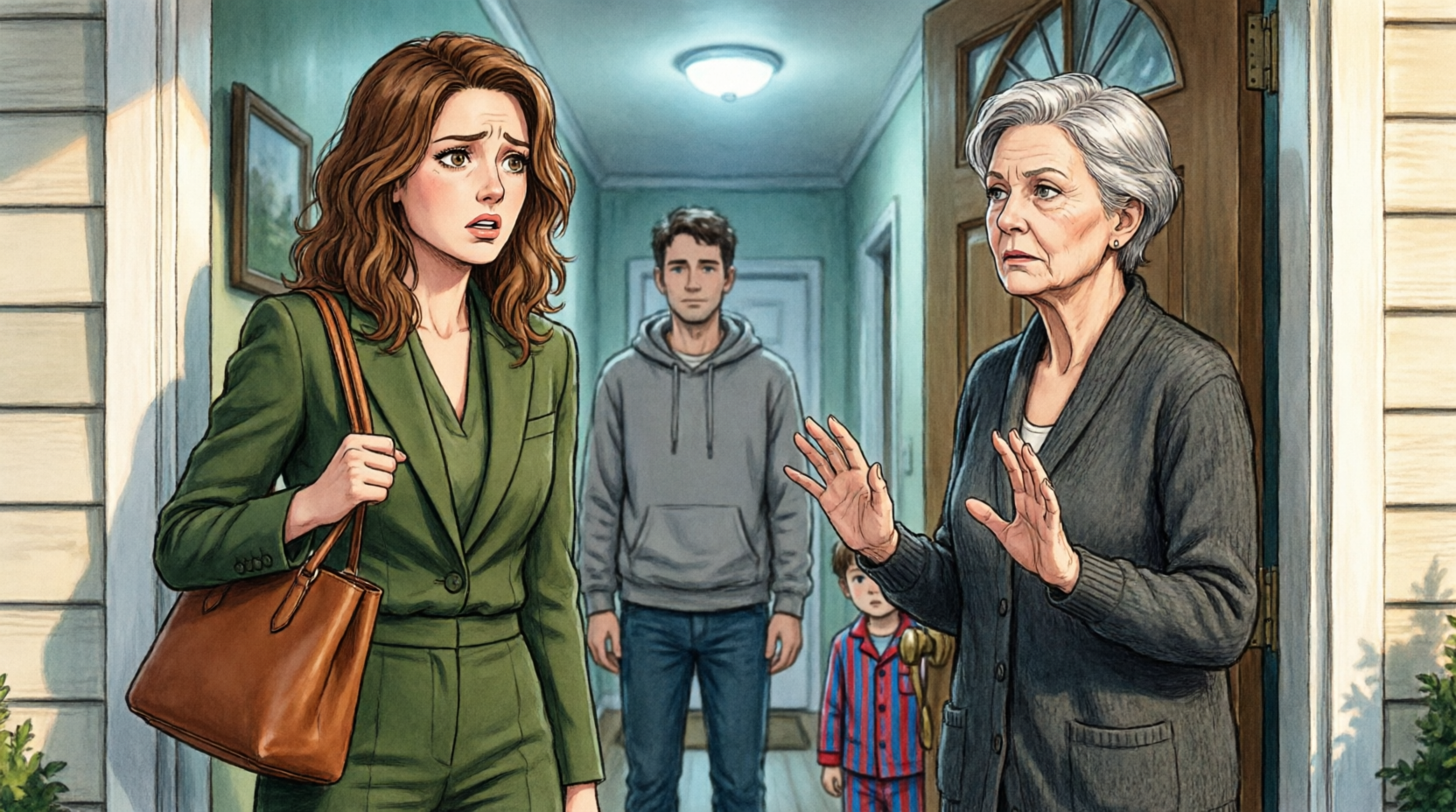
On the sixth day, I was home alone when a truck door slammed outside hard enough to rattle the front window. I looked through the peephole and saw my father on the porch, red-faced, sweating, and furious in a way I had only seen when people told him no in rooms where he could not pretend to be reasonable.
He rang the bell once.
Then he pounded.
“Monica, open the door.”
I stood on the other side with my hand on the lock, feeling my heartbeat steady instead of race. That surprised me. For most of my life, my father’s anger had made me feel like a child again, already guilty, already reaching for an apology before I knew what I had done.
Not this time.
Through the window beside the door, I could see my mother in the passenger seat of his truck, phone pressed to her ear, probably gathering reinforcements. Mark was not there, of course. Mark never showed up for the uncomfortable part. He only arrived when someone else had already cleaned up the mess.
My father hit the door again. “This isn’t funny. You froze the account.”
I unlocked the deadbolt, opened the door only as far as the chain allowed, and looked at the man who had raised me to believe family came first only when family needed something from me.
His face was blotchy with panic disguised as rage.
I opened the door and said…
SAY “OK” IF YOU WANT TO READ THE FULL STORY — sending you lots of love ❤️👇 👇
My name is Monica and I’m 29 years old. The morning of my engagement day was quiet, almost too quiet. The kind of quiet that makes you check your phone twice just to confirm it’s actually on. I had expected a flood of calls, the excited chaos of family group chats, the inevitable send pictures from relatives who love milestones more than they love the people living them.
My family had raised me on one rule above all others, family comes first. Birthdays, graduations, promotions, even the smallest wins were treated like shared property. If one of us had news, everyone showed up. That was the expectation I grew up breathing. So when the hours passed and my phone stayed silent, I tried to rationalize it.
Maybe they were coordinating a surprise. Maybe my mom was busy setting something up. Maybe my dad was caught in meetings and would call later. My fiance noticed me checking my screen more than usual and I brushed it off with a smile that didn’t quite reach my eyes. I didn’t want to infect the day with anxiety.
I kept telling myself that my family wouldn’t miss something like this unless there was a real reason. By noon, the only message I had received was one short text from my mom. We’re busy. Send pics. That was it. No heart emojis, no congratulations, no I’m so happy for you. Nothing about when they’d see me, nothing about stopping by, nothing about being proud.
Just a flat sentence that felt like it had been typed while she was distracted. Like she had one hand on her phone and the other lifting a glass somewhere. I read it twice waiting for a follow-up to soften it. Nothing came. I told myself maybe they were dealing with something urgent. Maybe my brother’s kids were sick.
Maybe there was a family emergency they didn’t want to burden me with. I tried to protect them in my mind because for most of my life, that’s what I’d done. When things felt off, I made excuses for them first and only let myself feel hurt later, if at all. I tucked the sting away and forced myself back into the moment.
Friends were arriving. We were taking pictures. People were laughing and hugging and saying how beautiful we looked. I wanted to be present. I wanted to believe this day belonged to me. Around 1:00, while we were in the middle of taking engagement photos with friends, I opened Facebook to post a quick picture. I didn’t expect anything.
I was just going to share one of the shots and let the day move forward. But the moment my feed loaded, it felt like the air dropped a few degrees. At the top of my screen was a brand new post from my mom, an entire photo album. The cover photo stopped my breath. My parents were standing in a sunny vineyard, each holding a glass of wine, smiling so wide it looked like they were celebrating a holiday.
My brother was there, too, front and center, his arm around my mom in that familiar way he always did when he wanted to look like the golden son. His wife was there, a cousin, even a couple of my parents’ close friends. It wasn’t a quick outing. It was an event. The caption under the album read, “Best day with the best people.
” I clicked into it, my thumb moving before my brain could catch up. There were more than 30 photos. Wine tastings, big cheese boards, group selfies, a champagne toast in the middle of the day. In one picture, my mom was laughing so hard her eyes were closed. In another, my dad was mid-toast, glass raised, looking proud.
They looked happy in a way that was painfully specific. Not just happy to be out, happy to be together, happy to be celebrating something that apparently had nothing to do with me. Not one of them had mentioned this to me, not in the weeks before when my engagement was being planned, not that morning when I texted them to say it was happening, not even when my mom sent that flat dismissive message.
They had chosen this. They had chosen a planned wine tour with my brother over my day, and they had done it so deliberately I almost laughed. Because you don’t spontaneously gather that many people and drive out to wine country. You don’t just stumble into a vineyard with a full group and matching smiles. This was scheduled, coordinated, anticipated, which meant that while I had been picturing my parents showing up to celebrate me, they had already decided weeks ago where their real excitement would be.
I stood there with my phone in my hand while my friends kept laughing around me, the camera still clicking, the sunlight still warm on my face, and I felt something inside me go very still. The hurt was there, sharp and immediate, but underneath it was something heavier, something I didn’t have a name for yet. Recognition. Like a truth I’d avoided for years had finally stepped into the light.
My fiance glanced at me, his expression shifting when he saw my face. He didn’t ask what was wrong right away. He knows me. He knows that when I go quiet, it because I have nothing to say. It’s because I’m deciding how to say it. I lowered my phone and forced a small smile because I refused to let my family ruin the day in front of everyone.
I told him I was fine. I told him we’d talk later. He nodded, but his eyes stayed on me with that steady concern that made my throat tighten. I didn’t call my mom. I didn’t message the family group chat. I didn’t explode the way a younger version of me might have. Instead, I opened my mom’s earlier text, stared at the words “We’re busy.
Send pics.” and replied with one word. “Cheers.” That was all. Not because I had forgiven them, but because in that moment I realized something. If I showed them my hurt, they would treat it like drama. If I demanded an explanation, they would offer excuses. If I begged for acknowledgement, they would give me scraps and expect gratitude.
I didn’t want scraps anymore. The The of the day passed in a blur of smiles and photos and congratulations that felt slightly out of sync with my body. On the outside, I was engaged, surrounded by friends, stepping into a new chapter. On the inside, something old was breaking apart with frightening calm. I kept thinking about my mother’s caption.
Best day with the best people. Not the best day with family. Not the best day celebrating love. The best day with the best people. And apparently, I wasn’t one of them. That night, after we got home and the last friend finally left, my fiance fell asleep quickly, exhausted from the day. I lay awake beside him, staring at the ceiling, listening to the quiet hum of our apartment.
My phone sat on the bedside table, face down, like I didn’t trust it anymore. Somewhere in the dark, my mind started replaying years of moments that suddenly felt different. Birthdays where my brother somehow became the focus. Holidays where my plans were less important. Family dinners where my news was met with polite nods, while my brother’s stories got laughter and applause.
And then another thought surfaced, sharper than the rest. Not about today. About money. About all the ways I’d been quietly keeping this family running without ever saying the words out loud. I didn’t cry. I didn’t rage. I slipped out of bed, walked into the living room, opened my laptop, and sat down in the dark, like I was clocking in for work.
My hands were steady. My breathing was even. Because this didn’t feel like an emotional decision anymore. It felt like a business decision. The kind you make when you finally understand you’ve been funding something that doesn’t value you. I logged into the accounts I hadn’t looked at in months.
The ones I managed in the background of my life like a second heartbeat. I didn’t click anything yet. I just stared at the numbers, the recurring payments, the automatic transfers that had been running so long they felt like natural law. I could see my parents’ mortgage payments scheduled like clockwork. I could see my brother’s car loan.
I could see the credit card payments that kept clearing without anyone ever asking how. I sat there for a long time, the glow of the screen reflecting off the window like a quiet warning. I thought about the vineyard photos again, the laughter, the champagne toast, the caption, “Best day with the best people.
” And in that quiet living room, I finally understood exactly what I was to them. Not a daughter, not a sister, a safety net, a bank, a silent provider who was expected to keep paying even when she wasn’t invited to the celebration. I closed my laptop gently, like I was putting a lid on something dangerous, and I made myself a promise I’d never made before.
They wanted me absent from my joy. Fine. I would be absent from their stability. I didn’t do anything else that night. I didn’t move money. I didn’t freeze accounts. I didn’t send angry messages or demand explanations. I went back to bed and lay there listening to my fiance breathe, steady and unaware, and I let the realization settle into my bones.
The kind of realization that doesn’t need immediate action because it isn’t going anywhere. It waits. It matures. It hardens. By morning, the emotion had drained out of it completely. For years, I had been quietly keeping my family afloat without ever announcing it. When I sold my business at 29, I didn’t buy a sports car or move to some flashy penthouse.
I set up a family trust instead. It felt responsible, generous, like proof that all those speeches about family coming first hadn’t been wasted on me. I covered my parents’ mortgage so they wouldn’t have to worry about losing the house they loved. I took over my brother’s second car loan when he upgraded for work reasons and then somehow never had the money when the payments came due.
I paid off my mom’s credit card debt more than once, always framing it as a one-time thing. Always believing the next time would be different. I never asked for recognition. I never made it a bargaining chip. I thought that was the point. You help because you love people, not because you want applause. The problem with not keeping score is that you don’t notice when you’re the only one playing the game.
That morning, while my fiance made coffee and asked gently if I was okay, I nodded and told him I was just tired. I didn’t want to explain yet. I needed to see it clearly myself before I let anyone else into it. After he left for work, I sat down at my desk again and opened the trust accounts. This time, I didn’t just look.
I read, line by line. Payments scheduled years into the future, all set to run without question. My parents’ mortgage, my brother’s car and insurance, a handful of temporary loans to cousins that had quietly become permanent. It was all there, laid out like a map of my usefulness. I removed myself as a trustee first, not out of anger, but out of necessity.
I didn’t want access anymore. I didn’t want responsibility for people who could raise a glass to my brother while ignoring my engagement. Then I went to the payment accounts. One by one, I paused them. The mortgage account was frozen. The car loan payments stopped. I didn’t touch their personal savings.
I didn’t drain anything. I wasn’t trying to hurt them. I was just stepping out of a role I’d never consciously agreed to play. It felt strange how anticlimactic it was. No dramatic rush, no shaking hands, just a few clicks and confirmations. When I logged out, nothing in the room looked different. The walls didn’t change.
The sun still came in through the window. But something fundamental had shifted. For the first time in years, the safety net wasn’t there. I didn’t tell anyone what I’d done. Six days passed before anyone noticed. It was a loud knock at my door that afternoon, sharp enough to make me flinch.
When I opened it, my dad stood there, face flushed, jaw tight, breathing like he’d taken the stairs instead of the elevator. He didn’t smile. He didn’t ask how my engagement had gone. He didn’t even step aside to let me invite him in. He just walked straight into my living room like it was his, arms slightly out, posture already defensive.
The first words out of his mouth weren’t congratulations. “The bank called,” he said. “The mortgage payment bounced.” He said it like he was reporting a glitch, not a consequence, like I had accidentally unplugged something I was supposed to keep running. I told him there was no mistake, that I’d stopped paying.
He stared at me, genuinely confused, as if I’d spoken in another language. Then he asked why. I told him exactly why. I told him my engagement day mattered to me, that I had expected my family to show up, that instead I found them on Facebook drinking wine with my brother, smiling like they were celebrating a holiday.
I told him that if they could plan a vineyard tour weeks in advance, they could have planned to be present for me. He waved it off almost immediately. Said things come up. Said the wine tour had been planned for weeks and wasn’t worth canceling over one afternoon. That was when my teeth clenched.
Then he said the line that locked everything into place. “You’re taking this too personally.” I asked him if he would have been fine if I’d skipped his wedding to go hang out with friends. He didn’t answer, just shifted his weight and looked past me like he was done with the conversation. Then he added, “Your mom didn’t mean anything by it.” It wasn’t an apology.
It was an excuse. And it made something painfully clear. In their eyes, nothing had gone wrong. I wasn’t hurt, I was inconvenient. I told him calmly that the trust was dissolved, that the mortgage payments were done, that the car payments for my brother were over, that any emergency loans to cousins or extended family were finished as well.
If they wanted to live as if I didn’t exist, they could pay for that privilege themselves. He called me selfish. I laughed. Not loud, not cruel, just enough for him to hear it. I told him I’d been paying their mortgage for 6 years without ever holding it over their heads, and if that was selfish, maybe they should try it sometime.
He didn’t respond. He left without closing the door behind him. The next morning, my phone buzzed with a text from my brother. My car got repossessed. Fix this. No congratulation, no question, no please, just an order. I stared at the screen for a moment, then typed back that maybe he should have saved some of the money he’d been spending on weekend trips and overpriced wine.
He replied with a string of insults that read like a tantrum. I didn’t respond. That night, I took out a pen and a piece of paper and started writing names. Every family member who’d ever borrowed money, every bill I’d covered, every time I’d stepped in quietly to keep things from falling apart.
Next to each name, I wrote the amount and how long it had gone on. The list was longer than I expected. Seeing it all at once felt like looking at the skeleton of a house I’d been living in without realizing it was rotting from the inside. Daniel was at the top, and this time I wasn’t going to save him. By the end of that week, the consequences started moving faster than even I had expected. I didn’t have to push.
I didn’t have to threaten. I didn’t have to announce anything. All I had done was step away, and the structure I’d been holding upright for years began to wobble on its own. Daniel called again 2 days after his car was repossessed. I watched his name light up my phone and let it ring. No voicemail the first time, then another call, then another.
On the fourth attempt, he left a message. His voice tight and carefully measured at first, like he was trying to sound reasonable. He said he knew something must have happened, that we were family and could work this out. By the end of the voicemail, his tone had shifted, Irritation bleeding through, accusing me of playing games and making some dramatic point at everyone’s expense.
I didn’t call him back. Instead, I pulled open the bottom drawer of my desk and took out a folder I hadn’t looked at in years. I’d labeled it Daniel financial back when I thought I was being organized, not prophetic. Inside were old statements, insurance paperwork, loan documents, and credit card bills I’d once quietly paid off after he forgot to make payments.
Three years earlier, when he’d fallen between jobs, I’d taken over his car loan so he could keep driving to interviews and client meetings. I’d even paid his car insurance every month because he didn’t want to downgrade to a cheaper plan. At the time, it felt like helping. Looking at it now, it felt like training him to expect rescue.
It all stopped that night. By the end of the week, Daniel had no car, no insurance, and a credit card that was overdue for the first time in years. I didn’t answer his calls. I didn’t reply to his texts. I just watched the ripple spread. The family group chat lit up with my name bolded in every message. My cousin Mark said he’d heard I was cutting everyone off.
My aunt chimed in that I was making it personal. My mom sent a short, clipped message. We need to talk. I ignored it. My dad stayed silent, which somehow said more than any lecture. That Friday, my fiance and I went out to dinner at a small place by the water. The kind of restaurant that glows softly at night and makes you forget your phone exists.
I didn’t check my messages until we got home, and when I did, there were 11 missed calls from Daniel. The texts told their own story. The first few were polite, then came the begging, then the blaming. The last one said, “If I lose my job over this, it’s on you.” The following week, he did.
His company had already been frustrated with his attendance issues, but they’d tolerated it because he had reliable transportation for client visits. Without the car, he started missing appointments. Accounts were reassigned. By Wednesday, he was unemployed. There was no satisfaction in it for me, just confirmation. For years, I’d been propping him up, believing I was helping.
The second I stepped back, gravity took over. The call I didn’t expect came from his wife, Hannah. We’d never been close. She was always polite but distant, like she wasn’t quite sure how to treat the sister-in-law who quietly paid for half her lifestyle. She didn’t waste time on pleasantries.
She told me she’d just found out they were 3 months behind on rent. Daniel had been telling her I was still covering everything, and she only learned the truth when the landlord showed up with an eviction notice. She asked if I’d at least consider giving them a small loan to get by. I told her she needed to talk to her husband.
By the end of the month, they packed their things and moved into my parents’ house. My parents framed it as helping family through hard times. I knew better. Daniel wasn’t going to lift them up. He was going to pull them down with him. The tension started almost immediately. Hannah lasted 3 days before complaining to my mom that she wasn’t used to sharing a kitchen.
My mom told her that in this house, everyone helped with groceries. That didn’t go over well. Daniel fared no better. One evening, my dad asked him to mow the lawn, and Daniel actually asked if he’d be paid for it. I stayed out of it. I didn’t need to stir the pot. It was already boiling. Instead, I turned my attention to something that had been nagging at me since my dad’s visit.
For years, I’d been covering the mortgage on their house. They’d refinanced twice, once for my mom’s medical bills, another time for a home improvement project that never seemed to materialize. I never questioned it. I just kept paying. Now, with the account frozen, late fees were stacking up. Foreclosure wasn’t imminent yet, but the numbers were already turning ugly.
I decided to dig deeper. Because I was a co-signer on the original loan, the bank couldn’t refuse my request for the account history. When I reviewed it, my stomach tightened. Two large withdrawals labeled home improvement, one for 18,000, another for 12. There were no permits on file for any construction, no contractor invoices, which meant the money went somewhere else entirely.
I didn’t confront them, not yet. I printed everything, slid it into a folder, and wrote one word on the tab. Leverage. The unexpected twist came sooner than I planned. A woman from the county property office called me to say they’d received a complaint about my parents running an unlicensed short-term rental out of their basement. At first, I thought she had the wrong address.
Then she mentioned Daniel’s name. Without telling my parents, he’d listed the basement on a rental site and already hosted two weekend stays. My mom found out when a stranger with a rolling suitcase knocked on the door asking where to check in. The explosion was immediate. My mom screamed at Daniel in the driveway while half the neighbors watched.
Hannah slammed the guest room door so hard a picture frame fell off the wall. My dad called me later demanding I come over and sort this out. I told him I was no longer involved in their problems and hung up. That night, sitting in my apartment, I realized something important. I didn’t even have to attack yet. They were already unraveling on their own.
But I also knew this wasn’t over because they still thought they could outrun it. They thought distance would save them. That if they could just get out of that neighborhood, away from the gossip and the neighbors who suddenly watched them too closely, everything would reset. I found out about the plan before the for sale sign even went up because secrets travel fast in families like ours, especially when they’re wrapped in panic.
My mom’s cousin called me under the pretense of concern, her voice syrupy and curious, and told me my parents were starting fresh in a smaller house in in city, far from all the drama. She said it like she expected it to hurt me, like she was delivering bad news meant to sting. Instead, I almost laughed. They had chosen a city where I had more history, more connections, and more quiet leverage than they could imagine.
Years ago, after selling my business, I’d invested in a small but profitable property management company there. I eventually sold my shares, but the relationships never went away. Realtors, inspectors, lenders, people who answer the phone when my name comes up. In real estate, reputation is currency, and I didn’t need to say a word about what to do. I just shared documents.
I sent copies of the county complaint about the illegal basement rental, complete with screenshots of the listing Daniel had created under his own name. I included the HOA meeting minutes that mentioned strangers coming and going at all hours. I attached the mortgage statements showing two large home improvement withdrawals with no permits or invoices, no commentary, no accusations, just facts, clean, verifiable, impossible to argue with.
The first house my parents bid on was mysteriously pulled from the market the day after their offer went in. The second accepted another bid at the last minute. By the third rejection, they were confused and frustrated, calling around, asking what was going on. No one gave them an answer. No one had to. The market had simply shifted.
I stayed quiet. Silence is powerful when you’ve already told the truth. Daniel’s life was collapsing in parallel. Without a job, a car, or steady income, he started leaning on Hannah’s family, and it went exactly how you’d expect. They tolerated him for a while, then stopped answering calls. By late autumn, Hannah had packed her things, taken the kids, and moved in with her sister.
She filed for separation 2 weeks later. That left Daniel with nowhere to go except back to my parents, who were already drowning in their own mess. He bounced between a couple of friends’ couches before ending up in a dingy basement apartment in a part of town where even the police avoided parking at night.
My parents eventually settled for a small rental on the edge of town. The landlord was someone I knew from years back, a man who owed me a personal favor. I didn’t ask him to be cruel. I didn’t ask for discounts or punishments. I asked for one thing only, rent collected on the first. No extensions, no exceptions. He agreed without hesitation.
Within 3 months, they were struggling again. My mom took a cashier job at a discount store. My dad started doing odd jobs for neighbors, fixing fences, hauling junk, patching drywall. Every now and then, a relative would call me with updates, pretending it was concern, but really checking to see if I’d soften. I didn’t.
December came and went without a single message in the family group chat. No holiday plans, no awkward congratulations, no photos of decorated trees. It was like we’d quietly erased each other. On New Year’s Eve, my fiance and I stood on the balcony of our new condo, champagne in hand, watching the city lights flicker like distant promises.
My phone buzzed once, a text from my mom. I hope you’re happy. I looked at it for a long moment, then set the phone down without replying. This wasn’t about happiness. It was about balance. They had shown me exactly where I stood, and I had mirrored it back. For weeks after, nothing. No calls, no texts, no updates through the grapevine.
I thought maybe they’d finally accepted that the lifeline was gone. We started planning a short trip, talking about furniture, laughing about small things again. That’s when the surprise landed, quiet and almost clinical. An email from my old banker popped up one morning. My name had come up in a file review.
Not because I was in trouble, he assured me, but because my parents had tried to use my old cosigner status on their mortgage to apply for a personal loan without telling me. The application claimed I was in agreement and would provide collateral. There was even a digital signature that wasn’t mine. Sloppy, desperate.
I didn’t call them. I called the bank’s fraud department and confirmed in writing that I had not and would not consent to any loan. Then I sent my parents a single polite email. I know about the loan application. Withdraw it. No anger, no explanation. Three days later, it was withdrawn. That should have been the end of it.
It wasn’t. Two weeks later, Hannah texted me. She said she’d heard from a mutual friend that Daniel was telling people I’d ruined his life out of jealousy. The irony would have been funny if it hadn’t been so predictable. She told me that same mutual friend, the one who’d helped Daniel get a job years ago through my connections, had corrected the story in front of her.
They told her about every bill, every loan, every quiet bailout I’d given Daniel over the years. She said she was stunned. Then she added something that made everything click into place. Daniel was back at my parents’ rental, not living there, hiding there. He’d taken out a payday loan, missed payments, and people had started showing up at his apartment looking for him.
So he ran straight back to the only people left who would take him in. And that’s when I understood the final shape of it. I hadn’t just taken away their money. I’d left them with the one thing they couldn’t afford anymore, Daniel. I almost felt bad, almost. Then I remembered the vineyard photos, the raised glasses, the caption about the best people, and the feeling passed.
They were imploding without me lifting a finger, and all that was left was a choice I hadn’t expected to face so clearly. I could leave them to collapse on their own, or I could give the situation one final nudge and close this chapter for good. I didn’t rush it. The best endings aren’t explosive, they’re precise.
I thought about it longer than I expected. Not because I felt conflicted about what they’d done, but because I finally understood the weight of what choosing silence would mean. Walking away completely is easy to romanticize, but when you’ve been the quiet center of gravity in a family for most of your adult life, letting go feels like stepping off a cliff and trusting the ground will still be there.
I wasn’t angry anymore. Anger burns hot and fast. What I felt was colder and steadier, final. In the end, I decided I didn’t need to push them any further. They were already living inside the consequences of their own choices, and nothing I did would teach them a lesson they weren’t determined to misunderstand anyway.
>> [snorts] >> I closed the leverage folder and slid it back into the drawer without using it. That was the part that surprised me most. Not revenge, not confrontation, but restraint. I didn’t need to humiliate them publicly. I didn’t need to expose every secret or explain myself one last time.
They already knew what they’d done. They just didn’t like the price tag attached to it. The months that followed were quieter than I’d ever known. Without the constant low-grade stress of managing other people’s finances and emotions, my days felt strangely spacious. My fiance noticed it first. He said I seemed lighter, like I wasn’t bracing for impact anymore.
We talked about boundaries, about how easy it is to confuse obligation with love when you’re raised on guilt and expectations. Planning our wedding became something joyful again, instead of something I worried my family would hijack or ignore. Occasionally, news still trickled in. Daniel resurfaced briefly when a payday lender tracked him down at my parents’ rental.
There was shouting, a police visit, then silence again. My parents managed to stay housed, barely. They stopped calling relatives for help once it became clear no one was coming to save them the way I used to. My mom kept her cashier job. My dad’s odd jobs turned into a routine. It wasn’t glamorous, but it was honest in a way their life had never been when I was quietly funding it.
I never heard another apology, not a real one. There were no messages acknowledging my engagement day, no recognition of what they’d missed, no attempt to repair anything that didn’t involve money. That hurt in a dull, distant way, but it also confirmed I’d made the right choice. Closure doesn’t always arrive wrapped in understanding.
Sometimes it arrives in the absence of noise. On the anniversary of my engagement, my fiance and I went back to the spot where he’d proposed. We didn’t invite anyone. We didn’t post pictures. We brought coffee, sat on the bench overlooking the water, and talked about the life we were building. He asked me if I regretted anything.
I thought about my family, about the trust, the accounts, the years I’d spent proving my worth through usefulness. Then I shook my head. Regret implies a mistake. What I’d done was course correction. I used to believe that love meant showing up no matter what, even when it cost you pieces of yourself. Now I know better.
Love that requires self-erasure isn’t love, it’s extraction. And I had finally stopped letting myself be mined. Sometimes I still think about that Facebook caption, “Best day with the best people.” I don’t feel angry about it anymore. I feel grateful. Because without that moment, without that quiet public dismissal, I might still be funding a family that only noticed me when the money cleared.
They showed me the truth without realizing it, and I listened. I didn’t walk away to punish them. I walked away to save myself. And for the first time in a long time, that feels like enough.