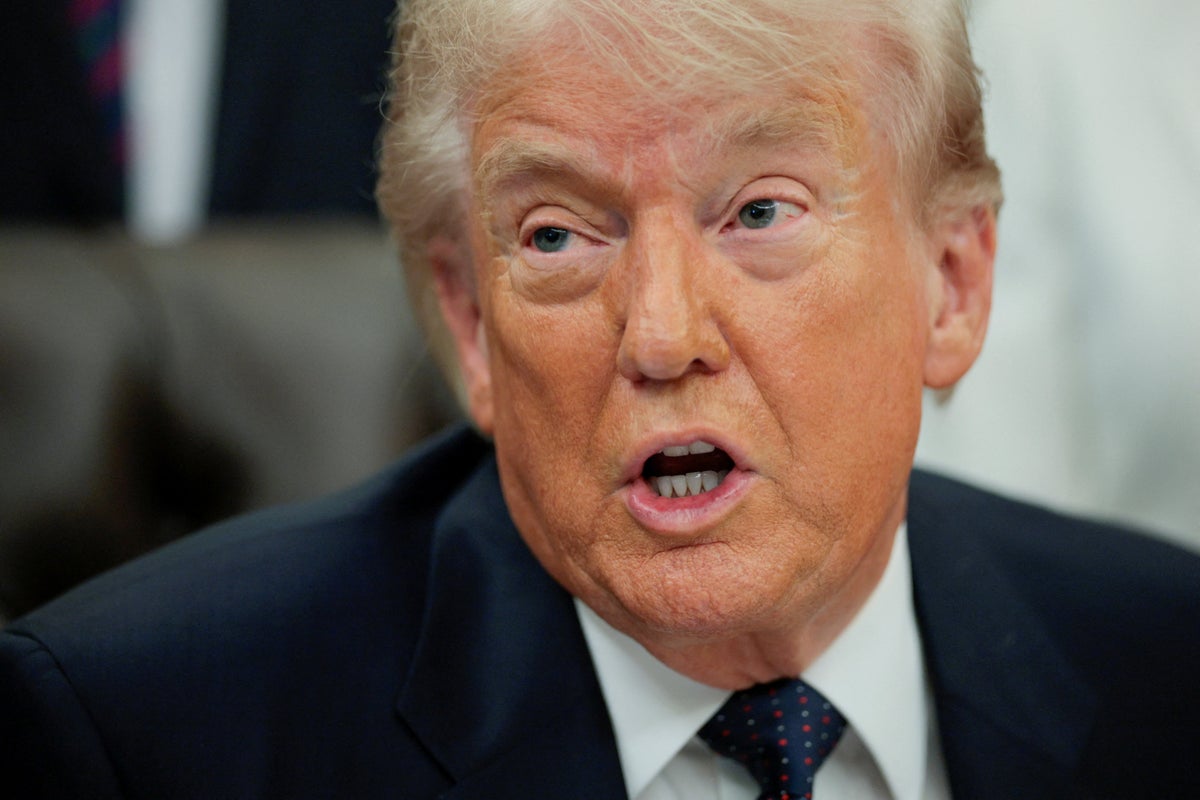
Donald Trump has claimed Iran’s military is “virtually decapitated” as the conflict between Washington and Tehran enters its 100th day.
The US president told NBC News Iran is “desperate” to make a deal but are “too proud” to admit it when he was asked why an agreement had not yet been reached.
He added he is “moving very fast” in the conflict and claimed the US has “totally destroyed” Tehran’s military.
It comes as the two countries continued to trade strikes over the weekend, testing a fragile ceasefire.
The US military said it downed six Iranian ballistic missiles launched towards its Gulf allies on Saturday while a seventh missile failed to reach its target. Tehran responded confirming it targeted a US airbase in Kuwait and the US Navy’s 5th Fleet in Bahrain.
Later the same day, the US said it shot down two more drones threatening the Strait of Hormuz in a bid to “defend against Iranian aggression.”
Iran’s foreign ministry later warned the US will be responsible for any consequences that emerge from its “illegal actions” in the current conflict
1 hour ago
100 days on: US troops adjust to unusual state of conflict
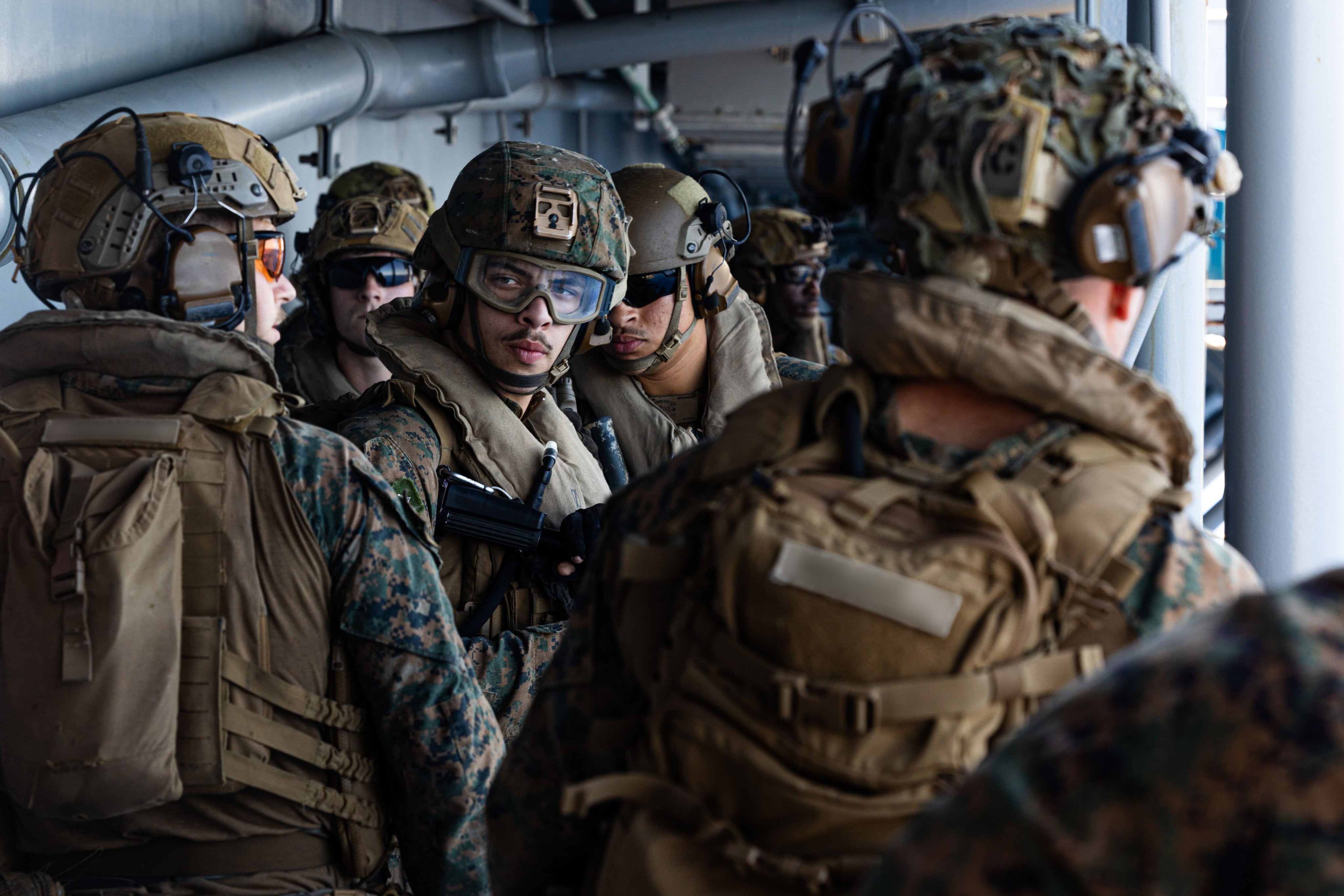
Fourteen weeks after President Donald Trump ordered an attack on Iran, the US military is adjusting to an unusual state of conflict that is not full-scale war, but also far from peace.
On ships and bases in the Middle East, US troops — some recovering from injuries — operate amid exchanges of fire with Iran every few days as the Navy blockades Iran’s ports. At home, the Pentagon is scrambling to bolster production of depleted munitions as families of service members cope with the stress of extended deployments. Counterattacks from Iran continue against US allies in the region, such as Bahrain and Kuwait, which Iran targeted in a ballistic missile attack on Friday.
Trump declared his ceasefire with Iran in April, but the war has settled into a stalemate, with Iran keeping the Strait of Hormuz largely closed to shipping and Trump threatening a return to full-scale bombings of Iran if peace negotiations fail.
The threat requires US troops to maintain an acute state of readiness.
That means everything from stocking bases with missiles and interceptors to scouring intelligence from drones and satellites to update lists of targets inside Iran should large-scale fighting resume.
“To maintain this constant state of ‘Level 10’ alert vigilance, to be ready to go at the drop of a hat, is a very stressful and difficult operational mission,” said one U.S. official, speaking on condition of anonymity.
Joseph Votel, the former commander of the US military’s Central Command, described the current conflict phase as “a very, very dangerous period for us.” He said keeping troops ready during the ceasefire is no small challenge.
“It puts on a lot of pressure on leaders to make sure that people are still at their edge,” Votel said.
Asked for comment, chief Pentagon spokesperson Sean Parnell said the US military stands ready to support deployed troops “in every way imaginable.”
“The Department of War is proud of our incredible troops. Their courage, readiness, grit, and unmatched professionalism are why they are the greatest fighting force in human history,” Parnell said.
1 hour ago
Oil flows through Strait of Hormuz won’t return to normal until next year even if war ended tomorrow, warns energy boss
Full oil flows through the Strait of Hormuz are unlikely to resume before the first or second quarter of 2027, even if the current Middle East conflict were to end immediately, the chief of the United Arab Emirates’ state oil firm has warned.
Sultan Al Jaber, the CEO of ADNOC, said it would take “at least four months to get back to 80% of pre-conflict flows” even if the conflict ended tomorrow, while full flows would not return before the first or even second quarter of 2027.
You can read more below:

Oil flows through Hormuz won’t return to normal until next year, warns energy boss
2 hours ago
Leila Farzad on not being able to return to Iran: ‘Going back got more complicated and dangerous’
The ‘I Hate Suzie’ star hasn’t been back to her family’s war-torn homeland since her teens – but now she’s starring in a stage adaptation of one of the biggest Iranian films of the 21st century. She tells Ellie Harrison about reconnecting with her heritage, and how after years of tokenistic casting, she nearly gave up acting for good.

Leila Farzad on not being able to return to Iran: ‘It got complicated and dangerous’
2 hours ago
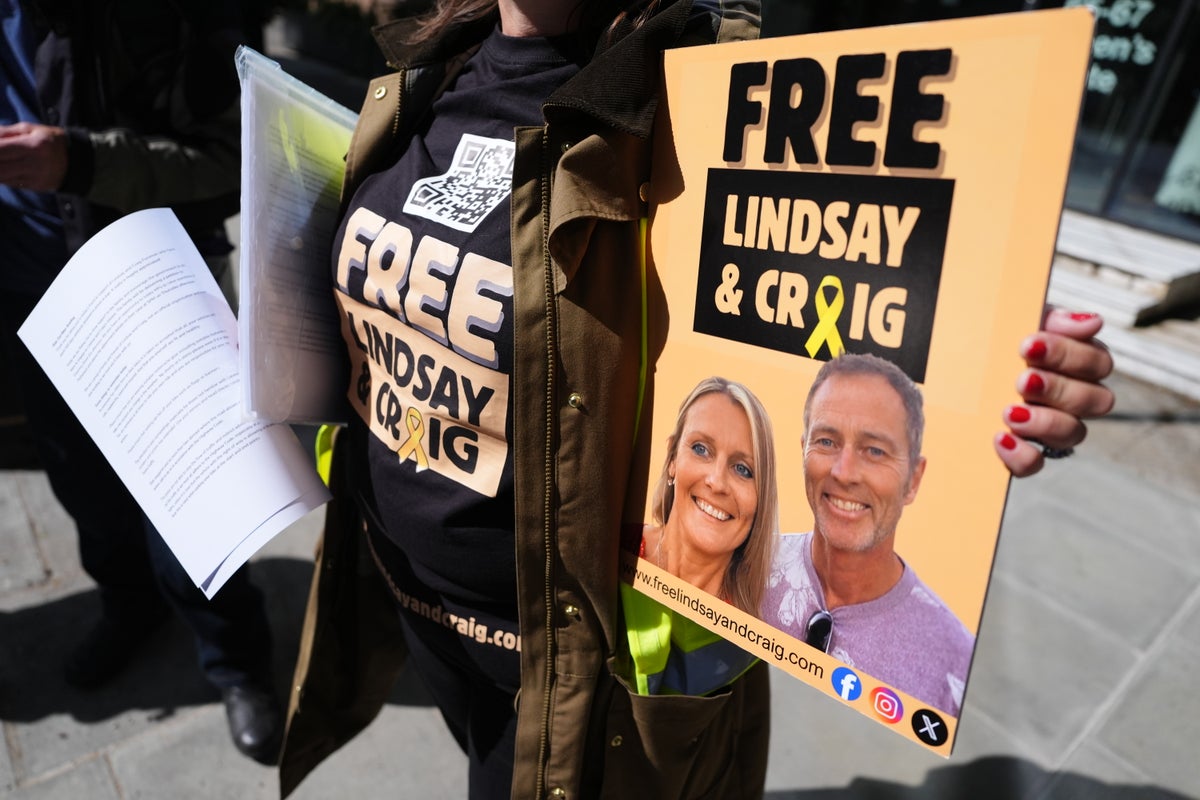
Son of British couple jailed in Iran makes emotional plea to government: ‘We just want them home’
The son of a British couple jailed in Iran has made an emotional plea to government to help free them .
Craig and Lindsay Foreman were detained during a once-in-a-lifetime world motorbike tour 17 months ago and have been sentenced to 10 years on espionage charges – which they deny – and Foreign Office officials say it is “absolutely obvious” they are innocent tourists.
Speaking on Sky News with Trevor Phillips on Sunday (7 June), the couple’s son Joe said: “Not speaking to my mum for a long time Is hard, we just want them home, we really miss them.”

Son of British couple jailed in Iran makes emotional plea to government
3 hours ago
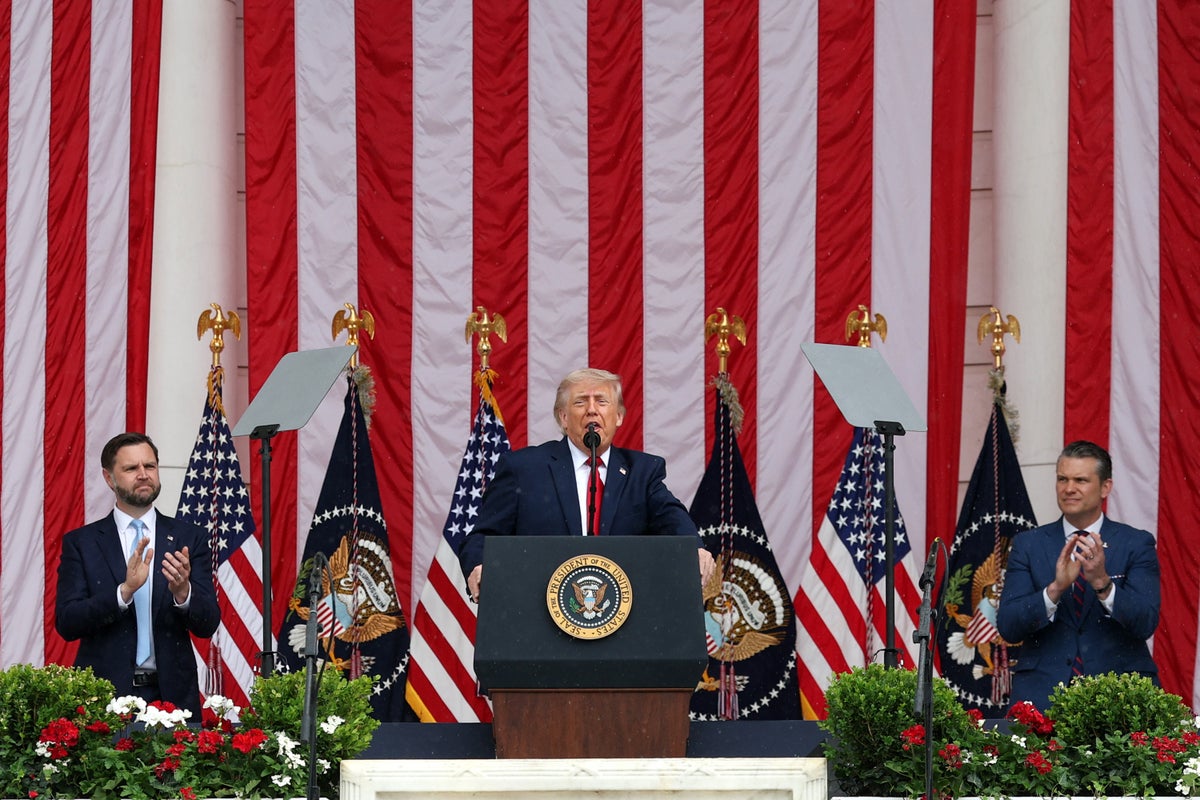
US-Iran war in numbers: Trump’s war costs more than $29bn in its first 100 days
The conflict in the Middle East has now reached 100 days, with negotiators yet to make a breakthrough, which would pave the way for an enduring peace.
Both sides have been back and forth with revisions of draft agreements to restore shipping through the Strait of Hormuz and lift the dual blockades, allowing for more comprehensive talks on the central nuclear issue.
But the effects of three months of conflict have been seismic, with an estimated 7,000 people killed in the region, major disruption to the global economy and more than a million people displaced from their homes – without delivering on any of Donald Trump’s stated objectives.
James C. Reynolds takes a look at the numbers behind the conflict below:
US-Iran war in numbers: Trump’s war costs more than $29bn in three months
3 hours ago
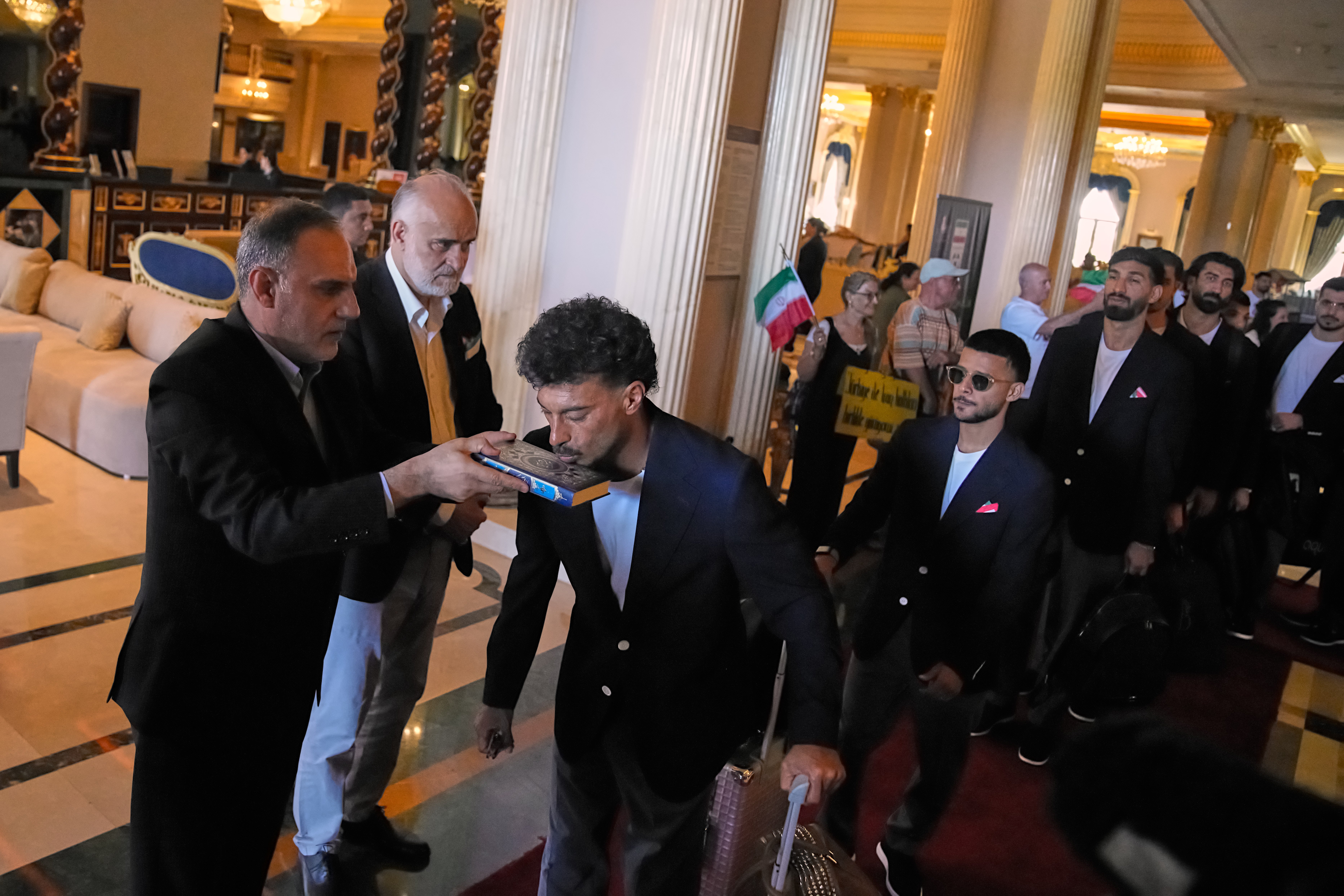
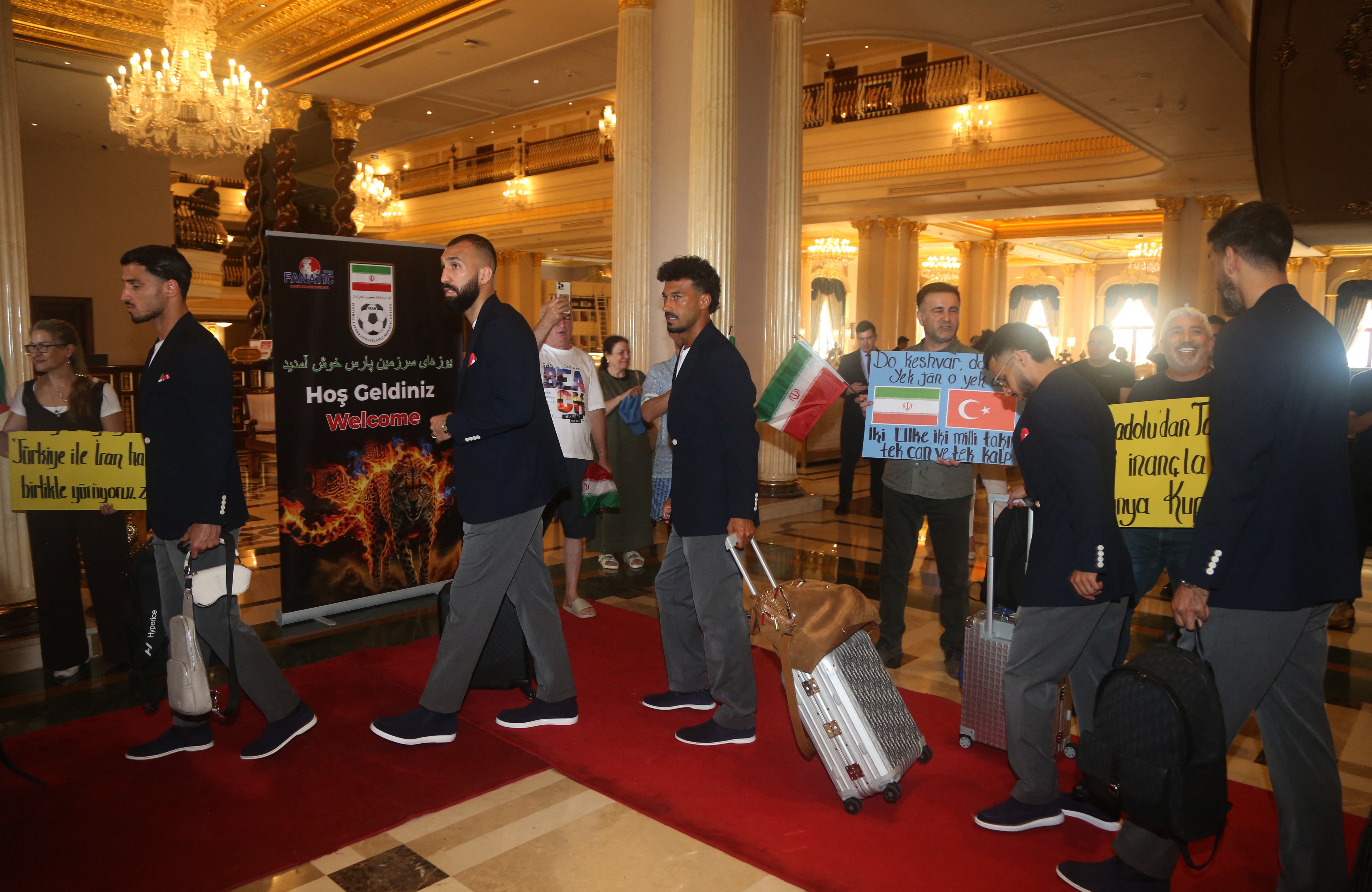
In pictures: Iran’s soccer team departs for Mexico

Lammy admits ‘arrangements can be made’ amid calls for prisoner swap to free British couple locked up in Iran
David Lammy has admitted “arrangements can be made” over calls for a prisoner swap to free a British couple imprisoned in Iran.
Craig and Lindsay Foreman have been sentenced to 10 years on espionage charges – which they deny – following a trip to the country 17 months ago. They say the government is failing to act on clear signals from Iranian officials that Richard Jan, who was once described as Britain’s worst stalker, is the key to their release.
A joint investigation by The Independent and Sky News has uncovered a 15-year campaign by high-ranking Iranian officials for Jan to receive urgent healthcare in prison and be returned to the country.
Speaking to Trevor Phillips on Sky News on Sunday, the justice secretary denied the government’s mind is “closed” to exchanging Jan’s freedom for the Foremans.
You can read more below:
Lammy admits ‘arrangements can be made’ to free British couple locked up in Iran
4 hours ago
Watch: The imprisoned stalker who could hold the key to freeing British couple jailed in Iran
What could a peace deal between Iran and the US look like?
Mediators are arriving in Tehran as they prepare for a fresh round of negotiations between the US and Iran.
Donald Trump rejected the last proposal and asked for changes, triggering this new round of talks.
The proposed memorandum of understanding would reportedly extend the ceasefire by 60 days and create a framework for negotiations over Iran’s nuclear programme.
You can read more about it below:
What could a peace deal between Iran and the US look like?
OPEC+ set for fourth oil quota hike since Hormuz closure, sources say
OPEC+ is set to agree on Sunday a fourth increase in oil output targets in as many months, three OPEC+ sources said, even though the US war with Iran is still preventing several of the group’s members from pumping more.
The war has cut oil flows via the Strait of Hormuz, creating the world’s biggest ever supply crisis as key OPEC+ members including Saudi Arabia have been unable to supply customers in full since the end of February. The crisis for OPEC+ deepened when the United Arab Emirates left the Organisation of the Petroleum Exporting Countries after almost 60 years.
Seven core members of OPEC+, which groups OPEC and allied producers including Russia, have increased their output quotas from April to June by almost 600,000 barrels per day.
In reality, the group’s production has collapsed due to export cuts by Gulf members, averaging 33.19 million bpd in April versus 42.77 million in February, according to OPEC figures.
On Sunday, the seven members will likely increase targets by about 188,000 bpd from July, the sources said. This is the same as the June hike, which was adjusted down from monthly increases of 206,000 bpd in May and April to take into account the UAE exit.
All the sources spoke on condition of anonymity and said a final decision had not been made.
The seven of 21 OPEC+ members due to meet on Sunday are Saudi Arabia, Iraq, Kuwait, Algeria, Kazakhstan, Russia, and Oman.
A full OPEC+ ministerial meeting is also scheduled for Sunday but is not expected to make any policy changes, the sources said.