From across the street, I watched Ryan appear in the doorway, posture confident and relaxed—the posture of a man who believed everything was already settled.
I couldn’t hear the words, but I saw his expression shift as the officers spoke.
Confusion.
Then irritation.
Then something sharper—more brittle.
Lisa came up behind him, peering over his shoulder.
Her mouth moved quickly.
Her hands gestured.
One of the officers held up a hand, stopping her mid-sentence.
Another stepped forward and asked them both to come outside.
Ryan hesitated—just a second.
Then he stepped onto the porch, still talking, still arguing his version of the story.
He gestured toward the inside of the house.
Toward the boxes.
Toward the rooms he had already begun to claim.
That was when the handcuffs came out.
The moment was quieter than I had imagined.
No shouting.
No dramatic struggle.
Just the soft click of metal closing around wrists that had been so sure of themselves days before.
Ryan’s mouth fell open.
His words finally failed him.
Lisa’s face went pale, the color draining away as realization caught up.
She looked around wildly as if searching for someone to intervene, someone to explain this away.
There was no one.
The officers read them their rights, voices steady and practiced.
Ryan tried to speak again, his tone changing, losing its edge.
Lisa began to cry—loud, disbelieving sobs that didn’t match the confidence she’d worn in my living room.
I watched from across the street, unseen.
Unnoticed.
The house behind them stood silent—indifferent.
It wasn’t his house.
It never had been.
For the first time, that truth was being acknowledged out loud—in actions rather than words.
Boxes sat abandoned on the porch, their contents exposed.
I saw the corner of a photo frame sticking out of one.
Margaret’s handwriting faint on the back.
For a moment, anger flared—sharp and sudden.
Then it passed, leaving something steadier behind.
As they were led down the steps, Ryan’s eyes scanned the street, frantic now, searching for understanding, for sympathy, for an ally.
They didn’t land on me.
I stayed still.
Lisa’s heels clicked unevenly on the pavement as she was guided toward the car.
The officers opened the doors.
Helped them inside.
Closed them again.
The sound echoed softly.
Neighbors began to gather, drawn by the unfamiliar sight of police cars on a quiet street.
Curtains shifted.
A woman two houses down stepped onto her porch with her hand raised to her mouth.
I wondered what stories would be told later.
What assumptions would be made.
I didn’t care.
None of it belonged to me anymore.
The officers finished quickly, speaking briefly to one another before returning to their cars.
As they pulled away, the street settled back into stillness—the way it does after something irreversible.
The house stood open and empty, the front door swinging slightly in the breeze.
For the first time since I had left it, it felt like it was waiting.
I sat there a long moment, my engine idling, gaze fixed on the place that had once defined my entire life.
I didn’t feel triumph.
I didn’t feel satisfaction in the way people imagine justice should feel.
What I felt was a quiet alignment, as if something deeply wrong had finally been corrected.
Ryan and Lisa had made their choices.
I had made mine.
The consequences were no longer theoretical.
Eventually, I started the car and drove away.
I didn’t go inside.
I didn’t need to.
The sight of the handcuffs, the boxes left half-packed, the house standing untouched—it was enough.
Silence had been my strength when they thought they could erase me.
Silence remained my strength now.
I didn’t say a word.
I didn’t have to.
The Aftermath
The court process moved slowly—the way serious things always do.
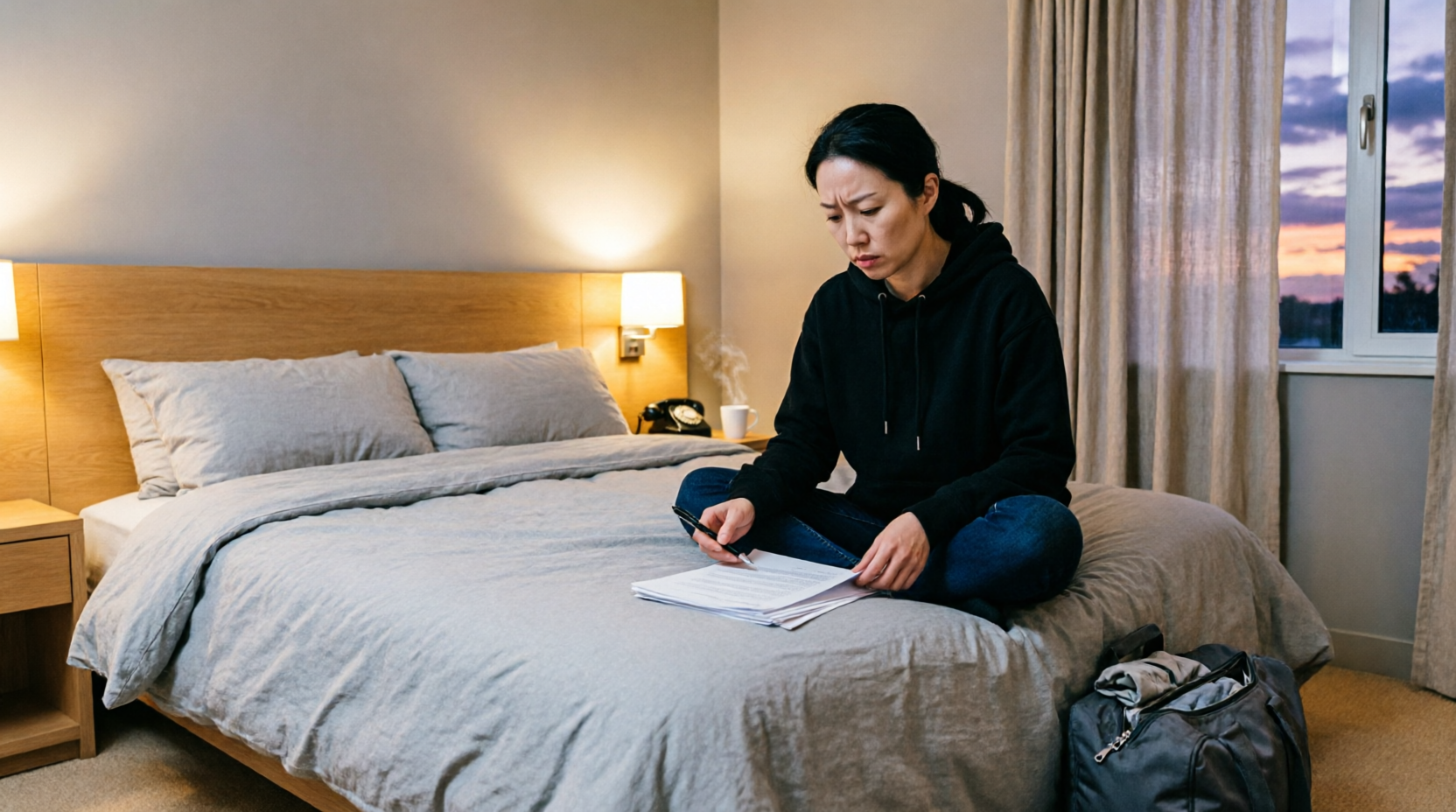
Weeks turned into months, marked by envelopes in my motel mailbox and phone calls scheduled days in advance.
I learned the rhythm of it all without ever stepping into the drama I had once imagined.
Filings.
Motions.
Hearings set and postponed.
Dates circled and crossed out.
Through it all, the facts stayed the same.
The forged will.
The recorded video.
The journals.
The hospice statements.
The signatures that didn’t match.
Evidence doesn’t argue.
It waits.
When the plea negotiations began, Mr. Harris called me first.
He didn’t sound surprised.
“They’ve retained counsel,” he said. “And they’ve seen what we have.”
He paused, letting the silence do its work.
“They’re prepared to plead guilty to forgery and fraud. In exchange, the prosecution will recommend reduced sentences.”
I closed my eyes and listened, feeling the word settle into place.
Guilty.
Not misunderstood.
Not misrepresented.
Guilty.
He explained the likely outcome in careful terms.
Time served to be credited.
Additional months in custody.
Fines.
Restitution.
Probation.
Consequences proportionate to what they had done—grounded in statutes and precedent.
It sounded almost clinical.
I realized I preferred it.
There was nothing theatrical about the truth.
The day the pleas were entered, I sat in the back of the courtroom, unnoticed.
Ryan looked smaller than I remembered.
His shoulders were hunched.
His confidence had been stripped away by the weight of the room.
Lisa sat beside him, hands clasped so tightly her knuckles were white.
When the judge asked if they understood the charges, they answered in unison.
When the judge asked how they pleaded, their voices were barely audible.
“Guilty.”
The word echoed softly, then disappeared into the high ceiling like a breath released.
Sentencing followed weeks later.
The judge spoke plainly, outlining the harm caused—not just financial, but moral.
The manipulation of a vulnerable person.
The attempt to displace someone from her home using false authority.
The erosion of trust.
Ryan received a custodial sentence with a portion suspended for good behavior, along with significant fines.
Lisa received a shorter term and probation—penalties tied closely to the fraudulent acts she had helped facilitate.
The gavel came down once—clean and final.
No one clapped.
No one cried.
Justice, I learned, rarely announces itself with fireworks.
The will was executed without delay.
The house transferred into my name—clean and uncontested.
The funds were released according to Margaret’s instructions, itemized and exact.
I signed papers that made everything official, my signature steady where it once would have trembled.
Mr. Harris watched quietly.
Then he slid the final document across the desk.
“It’s done,” he said.
I thanked him—not with effusive words, but with the kind of gratitude that doesn’t need explaining.
Ryan and Lisa asked to speak to me once, through their attorneys.
I agreed to a brief meeting held in a neutral office with the door open.
They sat across from me, faces drawn, voices careful.
Ryan spoke first.
He apologized.
He said the words people say when they’ve run out of options.
Pressure.
Fear.
Mistakes.
Lisa added her own apology, quieter, eyes fixed on the table.
I listened without interrupting.
My hands were folded in my lap.
When they finished, the room went still.
“I hear you,” I said.
It was true.
I did.
“But I’m not ready to forgive.”
I didn’t raise my voice.
I didn’t list grievances.
I didn’t explain myself.
I simply told the truth.
Forgiveness, I had learned, isn’t an obligation.
It’s a choice that requires time and safety.
They nodded as if they had expected nothing else.
The meeting ended without resolution.
And that was okay.
Coming Home
I moved back into the house on a quiet morning.
Alone, the rooms were empty of other people’s claims.
The air was still.
I opened windows and let light spill across floors that had once been treated like inventory.
Boxes were left half-packed—items Margaret had loved set aside to be sold.
I unpacked them slowly.
I returned photographs to shelves.
I placed her favorite mug back in the kitchen cabinet.
That night, I slept in my old room and woke to a silence that felt earned.
News traveled, as it always does.
Neighbors asked careful questions.
Distant relatives sent messages I didn’t answer.
I learned how to say no without apology.
How to protect the quiet I had rebuilt.
The house was no longer a symbol of loss or conflict.
It was a place where truth had finally been allowed to stand.
I thought about forgiveness often—not as a destination, but as a process.
Some days it felt possible.
Other days it didn’t.
I stopped measuring myself against other people’s timelines.
Margaret had taught me patience.
The court had taught me clarity.
Between the two, I found my footing.
On the day the final order was filed, I walked through the house and touched the door frames, grounding myself in the present.
Everything that had been taken had been returned—not by force, but by fact.
The law had done what it was meant to do when given the truth.
I didn’t feel triumphant.
I felt settled.
The past had been acknowledged.
The future finally was mine to shape.
What Remained
I didn’t sell the house.
For a while, everyone assumed I would.
Real estate agents left cards in the mailbox.
Distant relatives suggested it gently, as if the place were a wound that needed to be closed.
They talked about fresh starts and clean slates, about moving on.
I listened.
I thanked them.
And I did nothing.
The house wasn’t a burden to me.
It was a record.
Every hallway, every corner held the shape of years that had mattered—even when no one else had been looking.
Selling it would have felt like erasing proof.
I spent the first few weeks doing very little.
I unpacked slowly—not because I was overwhelmed, but because I was learning how to live without urgency.
For ten years, everything had been immediate.
Pills at this hour.
Appointments at that one.
Emergencies that couldn’t wait.
Now the days stretched out in front of me, quiet and undecided.
I cleaned room by room—not to make the house perfect, but to make it mine again.
Each morning, I opened the windows.
I let the air move through spaces that had once been sealed tight against illness.
In the living room, I hung a photograph of Margaret I hadn’t seen in years.
She stood in the backyard, sunlight on her face, laughing at something just out of frame.
Not the woman from the hospital bed.
Not the version people remembered from the end.
The woman she had been before pain narrowed her world.
I wanted to see her that way—to remember she had lived, not just endured.
The idea came quietly, the way the best ones often do.
It started with a conversation at the pharmacy.
Then another at the grocery store.
People heard what had happened and shared their own stories in lowered voices.
Years spent caring for a parent.
A spouse.
A sibling.
Jobs abandoned.
Lives put on hold.
Gratitude rarely expressed.
When I told them I understood, their shoulders dropped a little.
Recognition, I learned, can be as powerful as help.
I used part of the money Margaret left me to start something small.
Not a foundation with a grand name.
Not a polished office.
A network.
A place where caregivers could come once a week, sit in a circle, and speak without explaining themselves.
We met in my living room at first—folding chairs borrowed from the community center down the street.
I called it At Margaret’s House.
Not because it was hers, but because she had made it possible.
The first meeting had four people.
By the third month, there were fifteen.
We shared resources.
Legal information.
The names of doctors who listened.
Tips for navigating insurance and hospice.
But more than that, we shared the nights no one else saw.
The guilt.
The resentment people were ashamed to admit.
I watched strangers nod along, eyes filling with relief at not being alone.
I didn’t lead the group as an expert.
I sat with them as someone who had been there and survived.
In the backyard, I planted a garden.
Roses, mostly—because Margaret had loved them.
I dug the soil myself, feeling the ache in my arms, the honest fatigue of work done by choice.
Each plant felt like a small declaration that life could still grow here.
On warm afternoons, I sat outside and let the sun touch my face.
No alarms.
No one waiting for me to move faster.
The house grew quiet in a different way.
Not the tense quiet of illness.
The calm that comes after storms have passed.
Some nights, I walked through the rooms and felt the presence of everything that had been without being trapped by it.
I spoke to Margaret sometimes—out loud—telling her about the group, about the people she would have liked.
I thanked her, not just for the house or the money, but for seeing me clearly when it mattered most.
People still ask if I’ll ever forgive Ryan.
I tell them the truth.
“I don’t know.”
Forgiveness isn’t a finish line.
It’s something that unfolds—or doesn’t—depending on what comes after.
What I do know is this:
I no longer confuse forgiveness with access.
Boundaries aren’t punishment.
They’re protection.
Loving someone doesn’t require surrendering your life to their expectations.
I learned that the door that closed behind me on the day of the funeral wasn’t the end of my story.
It was the beginning of the one I chose for myself.
And when I finally stood on the right side of it, I understood something Margaret had known all along.
Sometimes the greatest act of love is refusing to disappear.
THE END