The girl gripped the female officer’s sleeve so tightly her knuckles had turned white. Her lips were cracked. Her hair hung in damp strings around her face. Her bare feet were black with dirt, and one sock was missing. Officer Ruiz stepped between her and the street, blocking the neighbors’ view as more curtains began to twitch open along the block. “Everyone back inside,” he ordered. María del Carmen crossed herself beside Dylan. Dylan looked like he might be sick. I couldn’t move. All I could do was stare at that child standing in my kitchen doorway, shaking as if the whole world had become winter.
“Please,” she whispered again. “Don’t send me back.” The female officer, whose badge read Salgado, crouched slightly so she was eye level with the girl. “No one is sending you anywhere right now.” “You don’t understand.” “Then help us understand.” The girl’s eyes flicked toward me. For one second, her fear changed. It became recognition. Not recognition of me exactly, but of something connected to me. “You’re Chloe’s dad,” she said. My stomach dropped. The whole street seemed to tilt. “What did you say?” Her voice trembled. “You’re Chloe’s dad.”
Officer Ruiz turned sharply toward me.
“You know this girl?”
“No,” I said.
The word came out too fast, too hard, because panic was already clawing up my throat. “I’ve never seen her before.” The girl shook her head. “She showed me your house.” “Who did?” “Chloe.” My daughter’s name hit me harder the second time. Chloe was nine. Chloe was supposed to be in Laredo with her mother, eating ice cream, arguing about bedtime, sending me photos of shells she found on the beach. She was not supposed to be connected to a terrified teenage girl hiding in my basement. “She’s with her mother,” I said. My voice sounded distant to my own ears. “She left yesterday afternoon.”
Officer Ruiz’s face tightened.
“Call her.”
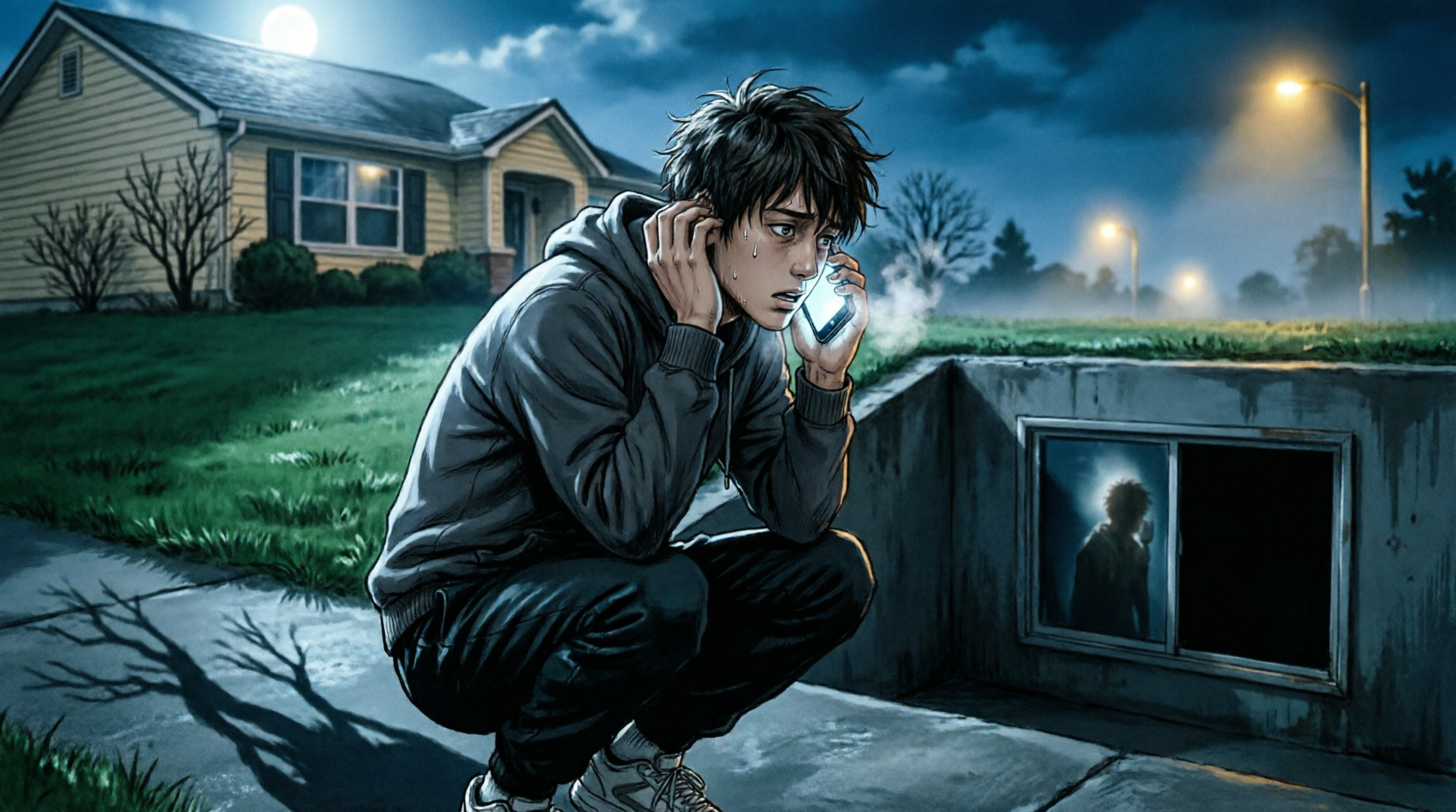
I fumbled for my phone.
My hands were so slippery I almost dropped it.
I tapped my ex-wife’s name.
Laura.
It rang once.
Twice.
Three times.
Then voicemail.
I called again.
Voicemail.
I called Chloe’s tablet.
No answer.
I called Laura again.
Voicemail.
The street noise faded behind the sound of my own heartbeat.
Officer Ruiz looked at Salgado.
“Bring the girl to the patrol car.”
“No,” the girl cried.
Her fear exploded so suddenly that even the officers flinched.
“No, please, not the car.”
Salgado held her shoulders gently.
“It’s not his car.”
The girl shook her head, sobbing now.
“He said the police cars look different sometimes.”
“Who said that?”
The girl pressed her lips together.
Her eyes moved toward the white van two houses down.
Everyone looked at it at once.
It was still there.
Plain.
Unmarked.
Slightly dirty.
Parked under the shadow of a plane tree.
The driver’s seat was empty.
Officer Ruiz raised one hand.
The second officer moved toward the van with his hand near his belt.
“Stay back,” Ruiz told me.
But staying back felt impossible when my daughter’s name had just been spoken by a child found in my basement.
I stepped closer anyway.
The officer reached the van.
He peered through the window.
Then he shouted.
“Ruiz.”
The tone of his voice changed everything.
Ruiz moved fast.
They opened the van.
The back doors swung wide.
Inside were blankets, zip ties, children’s juice boxes, a roll of duct tape, a cheap prepaid phone, and a blue backpack with a plastic keychain shaped like a dolphin.
I knew that backpack.
I had bought it in a seaside shop because Chloe had loved dolphins since she was four.
My knees finally gave way.
Dylan caught my arm before I hit the ground.
“No,” I said.
It was not a word anymore.
It was a hole opening in my chest.
Ruiz crouched in front of me.
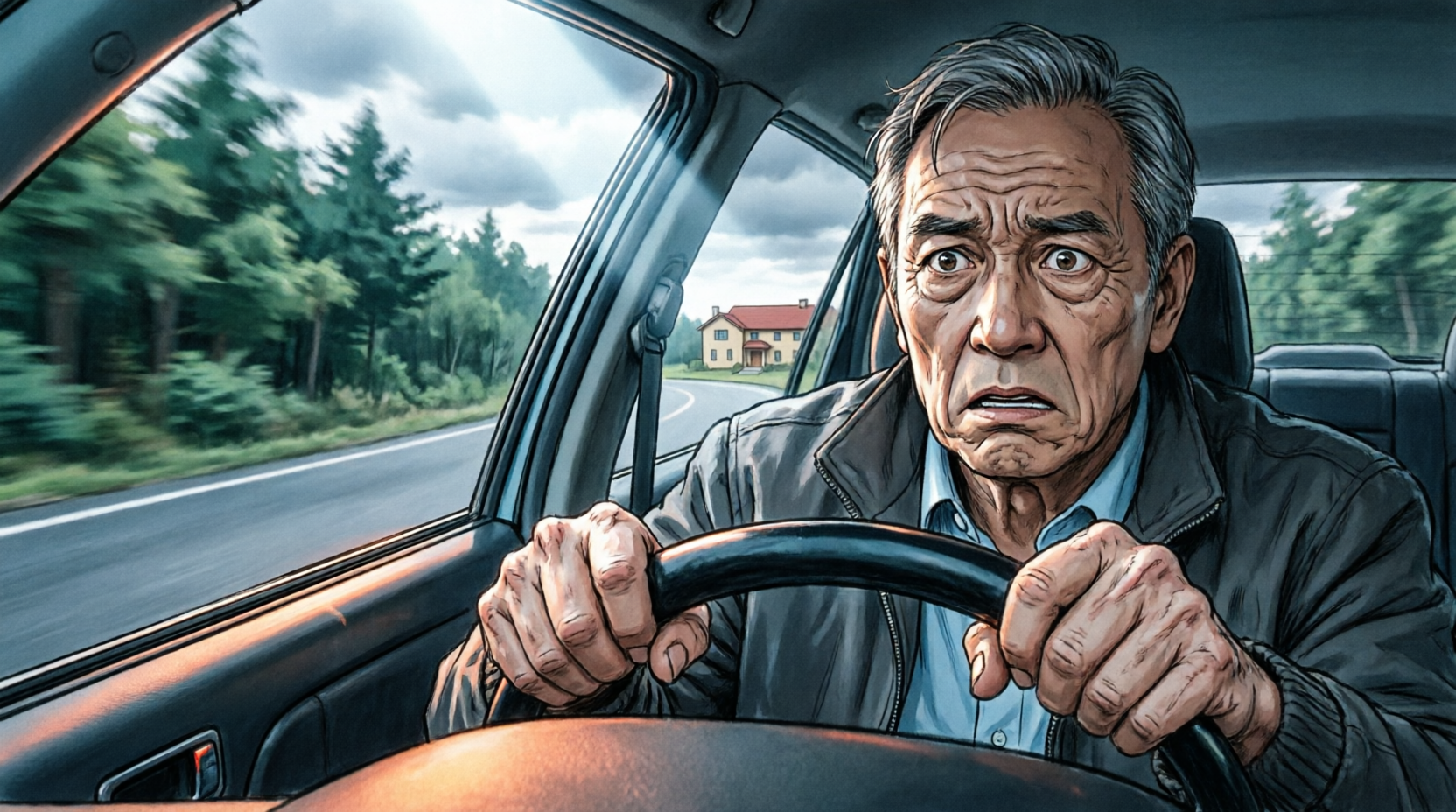
“Evan, listen to me.”
“No.”
“Listen.”
“That is my daughter’s backpack.”
His eyes sharpened.
“When did you last speak to her?”
“Yesterday evening.”
“What time?”
“Seven thirty.”
“What did she say?”
“She said she was tired.”
I grabbed my phone again and opened the message thread with Laura.
The last photo she had sent was from the beach.
Chloe in a sunhat.
Chloe smiling.
Chloe holding up a shell.
But now that I looked closely, the photo felt wrong.
The sky behind her was gray.
Yesterday had been sunny in Laredo.
The shell was dry.
Chloe’s smile was too stiff.
And there was no timestamp from the camera, only from the message.
I stood with my phone clenched in my fist.
“Something is wrong.”
Ruiz took the phone gently but firmly.
“We need Laura’s full name, phone number, car, where she was staying, and any person she might be with.”
I gave it all.
Laura Hartley.
Silver Peugeot.
Supposed to be at a guesthouse in Laredo.
Traveling with Chloe.
No boyfriend that I knew of.
Then I stopped.
Because that was a lie.
Not exactly a lie, but a convenience.
Laura had mentioned someone months ago.
A man named Marco.
She had laughed when she said his name, then changed the subject.
I had not asked more because I didn’t want to sound jealous.
Now every unasked question felt like a crime.
“There is someone,” I said.
“Maybe.”
Ruiz looked up.
“Name?”
“Marco.”
“Last name?”
“I don’t know.”
The girl in the patrol car began crying harder.
Salgado stepped out and called to Ruiz.
“She knows him.”
My skin went cold.
Ruiz walked to the open car door.
I followed until another officer tried to stop me.
“Please,” I said.
“That is my daughter.”
Ruiz hesitated, then allowed me to stand a few feet away.
The girl’s arms were wrapped around herself.
Her face was buried in her knees.
Salgado spoke softly.
“Tell us what you told me.”
The girl looked at me.
“I didn’t know she was your daughter at first.”
My breath caught.
“Where is Chloe?”
“I don’t know.”
“Where is she?”
“I don’t know.”
My voice rose.
“Where is my little girl?”
Ruiz turned.
“Evan.”
I shut my mouth so hard my teeth hurt.
The girl flinched anyway.
I stepped back.
“I’m sorry,” I said.
“I’m sorry.”
She stared at me for a long second, as if deciding whether my fear made me dangerous or human.
Then she whispered, “My name is Sofia Reyes.”
Ruiz nodded.
“How old are you, Sofia?”
“Fourteen.”
“Where are you from?”
“Bilbao.”
“What happened?”
She wiped her nose with the back of her hand.
“My mother trusted him.”
“Marco?”
Sofia nodded.
“He was nice at first.”
Her voice shook with each word.
“He said he helped families.”
“He said girls like me needed discipline.”
“He said nobody listens to girls who make trouble.”
Ruiz’s expression hardened.
I felt Dylan standing somewhere behind me, silent.
The entire street had gone quiet.
Sofia continued.
“My mom got sick last year.”
“She was in and out of hospitals.”
“Marco came around because he knew my aunt.”
“He drove me places.”
“He bought food.”
“He acted like he cared.”
“Then he started taking my phone.”
“He said I was lying.”
“He said I was ungrateful.”
She looked at the white van.
“Three weeks ago, he said we were going to visit my mom.”
“We didn’t.”
“He took me to a house outside the city.”
“There were two other girls.”
“One was older.”
“One was maybe eleven.”
Ruiz asked, “Names?”
Sofia swallowed.
“Mina.”
“And?”
“I don’t know the little one’s real name.”
“She wouldn’t say it.”
“What did they call her?”
Sofia’s eyes filled again.
“Birdie.”
The name was so fragile that it made the air hurt.
I wanted to ask about Chloe.
I wanted to scream about Chloe.
But Ruiz had gone very still, and I understood that he was gathering a map in his head.
“How did Chloe get involved?” he asked.
Sofia looked at me.
“Your daughter saw me.”
The world stopped again.
“When?”
“Two days ago.”
“Where?”
“At the service station near the road to Laredo.”
I remembered that service station.
Laura used it often when driving north.
Sofia’s voice became smaller.
“Marco had me in the van.”
“He went inside.”
“I was in the back.”
“There was tape on my hands, but I had loosened it.”
“The back door wasn’t locked all the way.”
“I pushed it open a little.”
“I saw a girl near the vending machine.”
“Chloe.”
“She saw me too.”
I could see it.
My brave, curious, impossible daughter.
The kind of child who rescued beetles from sidewalks and cried when cartoon animals looked sad.
“What did she do?” I whispered.
Sofia’s chin trembled.
“She didn’t scream.”
“She came closer.”
“She said, ‘Are you okay?’”
I closed my eyes.
Of course she had.
“She asked if she should get her mom.”
“I told her no.”
“Marco would come back.”
“I told her to call the police.”
“But then Marco came out.”
“I shut the door.”
“Chloe looked scared.”
“Then later, at night, she found me again.”
“How?” Ruiz asked.
Sofia pulled something from the pocket of the oversized police jacket Salgado had wrapped around her.
It was a folded piece of paper, damp and creased.
Salgado took it and handed it to Ruiz.
He unfolded it carefully.
There was a child’s handwriting on it.
I recognized the uneven letters instantly.
Dad’s house.
Blue door.
Basement window behind bushes.
Hide there if you get away.
My vision blurred.
Chloe had written my address.
Chloe had written it for a girl she had known for less than five minutes.
Chloe had made a plan.
My little girl had been trying to save someone.
Sofia whispered, “She said her dad was good.”
I covered my mouth.
The sob that came out of me did not sound like anything I had made before.
Ruiz touched my shoulder once, then pulled away quickly because there was no time for comfort.
“How did you get here?” he asked Sofia.
“Marco stopped near town this morning.”
“He was angry.”
“He said Chloe had talked too much.”
My head snapped up.
“What does that mean?”
Sofia started shaking again.
“He had her backpack.”
“He said smart little girls need to learn silence.”
I lunged toward the van without thinking.
Two officers grabbed me.
“Evan,” Ruiz said sharply.
“Do not make us restrain you.”
“He has my daughter.”
“We know.”
“You don’t know what he’ll do.”
“That is exactly why you need to let us work.”
The words cut through my panic just enough.
I stopped fighting.
I stood there with my fists clenched and tears running down my face, useless as a broken lock.
Sofia kept speaking.
“He brought me here because he thought nobody was home.”
“He had keys.”
I stared at her.
“Keys?”
She nodded.
“He opened the back door.”
Ruiz turned to me.
“Who has keys to your house?”
“Me.”
“Anyone else?”
“Laura.”
“Anyone else?”
“My sister has an emergency key, but she lives in Madrid.”
“Any workers?”
“No.”
“Previous owners?”
“I changed the locks when I bought it.”
Sofia whispered, “There was a woman with him.”
My mouth dried.
“What woman?”
“I didn’t see her face well.”
“But she told him where the basement door was.”
The neighborhood, the house, the sky, everything around me shrank to a single impossible thought.
Laura.
No.
No, Laura could be careless.
Laura could be selfish.
Laura could be manipulative when she wanted her way.
But Laura was Chloe’s mother.
She would not hand our daughter to a monster.
She would not.
Ruiz saw the thought cross my face.
“Do not assume yet.”
But sometimes the mind assumes before the heart can defend itself.
“What did the woman sound like?” Salgado asked.
Sofia closed her eyes.
“Calm.”
“She said, ‘Just leave the older one there until dark.’”
My stomach turned.
“The older one?”
Sofia nodded.
“Me.”
“And Chloe?”
Sofia pressed her lips together.
“Marco said she was safer somewhere else.”
I could not breathe.
Ruiz straightened.
“Salgado, ambulance for Sofia.”
“Already called.”
“Search the house.”
The officers moved through every room.
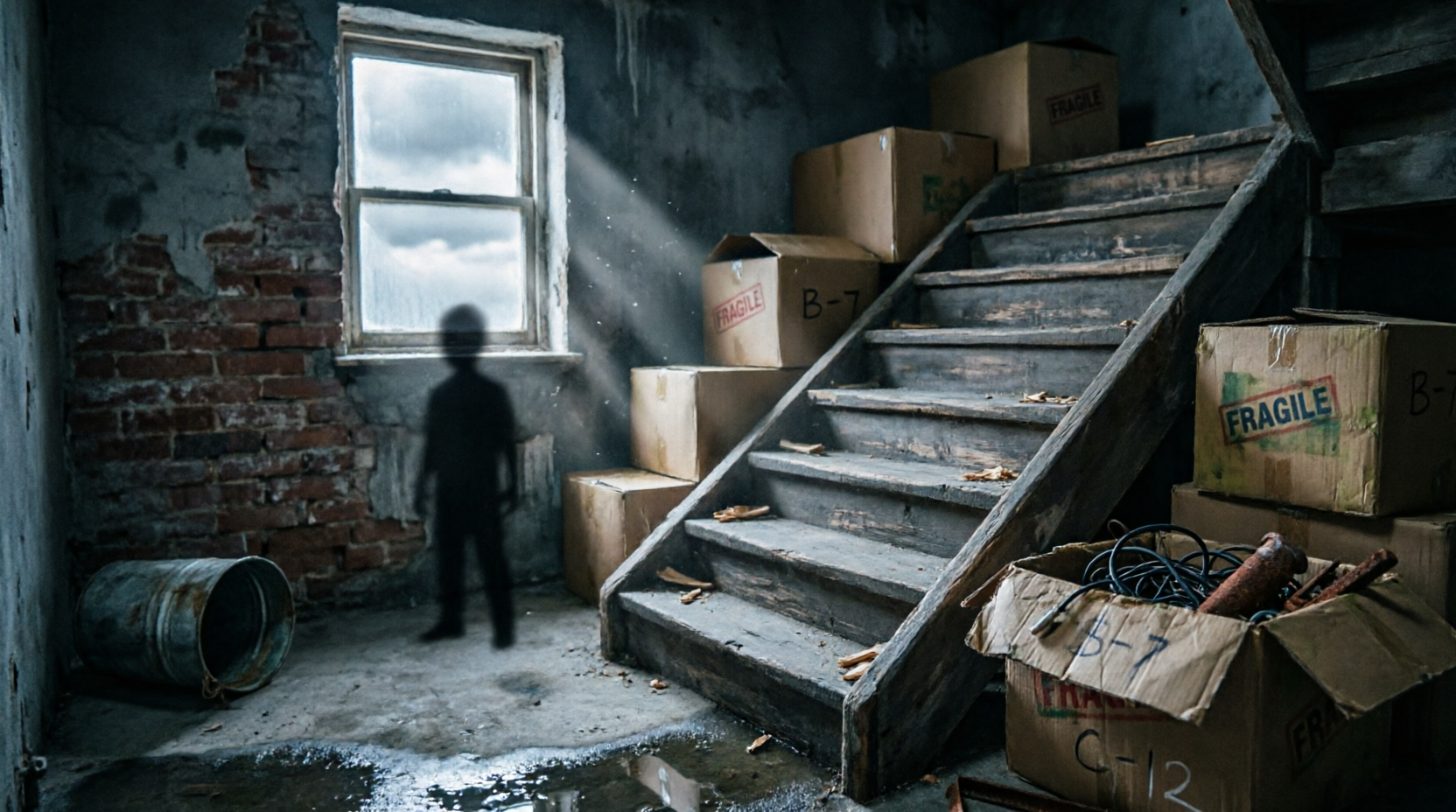
They checked closets, the attic, under beds, the garden shed, the locked pantry, the crawlspace beneath the stairs.
I watched from the driveway while my own house became a crime scene.
Dylan stood beside María, his mower abandoned.
He looked at me like he wanted to apologize for discovering something no one should ever have to discover.
I walked over to him.
“Dylan.”
He looked up.
“I’m sorry, sir.”
“No.”
My voice broke.
“You saved her.”
He shook his head.
“I almost left.”
“But you didn’t.”
His eyes filled with tears.
“I thought maybe it was a cat.”
“But then I thought, what if it isn’t?”
I put a hand on his shoulder.
It was all I could do.
The ambulance arrived minutes later.
Sofia panicked when they opened the doors.
Salgado climbed in first and promised to stay with her.
Before they took her away, Sofia grabbed my sleeve.
“She tried to help me.”
“Chloe?”
Sofia nodded.
“She was scared, but she tried.”
I knelt beside the stretcher.
“Did she say anything else?”
Sofia looked straight into my eyes.
“She said if something happened, you would find her.”
The ambulance doors closed.
And the last bit of strength I had went with them.
PART 3
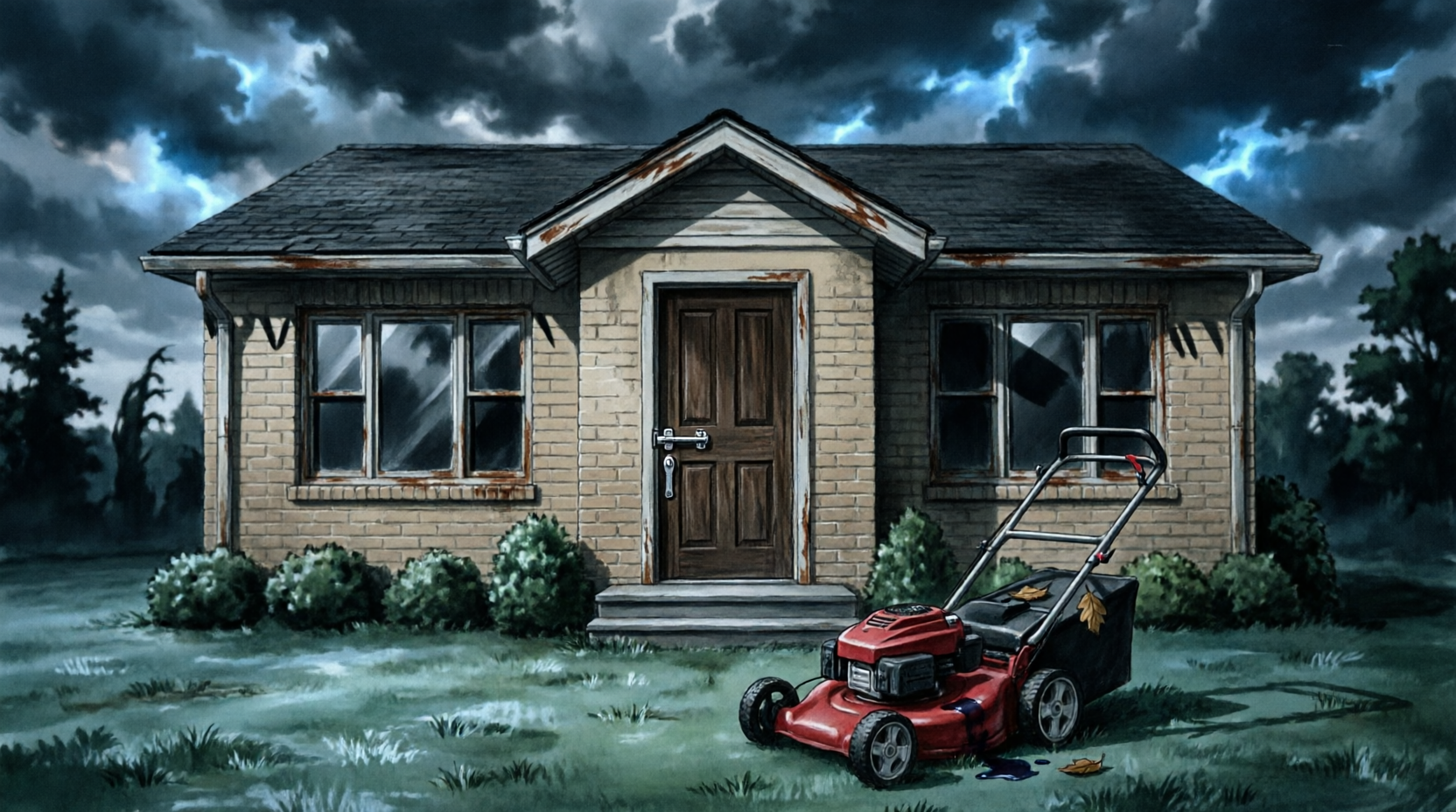
By sunset, my house was sealed with police tape.
The neighbors stood in clusters, whispering under the orange light, pretending not to stare while staring at everything.
The white van was towed away.
The police found a second prepaid phone hidden beneath the passenger seat.
They found a packet of photographs.
They found a hotel receipt from the night before.
And under a blanket in the back, they found Chloe’s hair clip.
A small silver dolphin.
I had fastened it in her hair myself before Laura picked her up.
That detail broke me more than the backpack.
A backpack could be taken.
A hair clip had to be pulled out, lost, dropped, or thrown aside.
Officer Ruiz would not let me see the photographs.
That told me enough.
He took me to the station because I refused to go home, and because I had become both a victim and a possible witness.
The interview room smelled like burned coffee and old paper.
A detective named Inés Calderón sat across from me.
She had tired eyes and a voice that did not waste time.
“We are treating Chloe as a missing child in immediate danger,” she said.
I nodded.
“Laura Hartley is also missing.”
I stared at her.
“Missing?”
“She is not answering her phone.”
“Could she be with him?”
“We don’t know.”
“Do you think she helped?”
“We don’t know.”
I hated those three words.
They were honest, but they were useless.
“I need you to tell me everything about Laura’s recent behavior.”
So I did.
I told her about the custody arguments.
The sudden kindness.
The expensive jacket Laura had worn last month despite always complaining about money.
The missed calls.
The way Chloe had become quieter after weekends with her mother.
The way she had asked me two weeks earlier whether bad people could pretend to be normal.
At the time, I had told her yes, but good people could be brave.
Now that memory felt like a knife.
Detective Calderón wrote everything down.
“Did Chloe mention Marco?”
“No.”
“Did she mention a van?”
“No.”
“Did she mention a girl?”
I almost said no.
Then I remembered.
A drawing.
Chloe had left a drawing on my fridge.
A girl behind a window.
I had thought it was from a storybook.
I stood so fast the chair scraped the floor.
“My fridge.”
“What?”
“She drew something.”
Calderón leaned forward.
“At your house?”
“Yes.”
“Describe it.”
“A girl behind a window.”
“Anything written?”
“I don’t know.”
“I didn’t look closely.”
The guilt hit me with physical force.
My daughter had been leaving clues in crayon, and I had been too busy checking emails and cutting hedges to read them.
Calderón stood.
“We’ll send someone to retrieve it.”
I sat down again, shaking.
A minute later, my phone buzzed.
Laura.
The name lit up the screen.
For one second, I became only a father.
No police.
No procedure.
No room.
Just that name.
Calderón saw it and raised a hand.
“Do not answer normally.”
She signaled to another officer.
The call rang and rang.
I stared at it as if it were a bomb.
They connected a recording device.
Calderón nodded.
“Answer.”
I pressed the button.
“Laura?”
Only breathing.
Then a whisper.
“Evan.”
Her voice was cracked.
I stood.
“Where is Chloe?”
A sob.
“I’m sorry.”
The room went silent.
“Laura, where is our daughter?”
“I didn’t know at first.”
I closed my eyes.
Those words were worse than a confession.
“What didn’t you know?”
“Marco said he worked with social services.”
“He said Sofia was troubled.”
“He said her mother asked him for help.”
Calderón wrote furiously.
“Where is Chloe?”
“He took her.”
My fingers tightened around the phone.
“Where?”
“I don’t know.”
“Laura.”
“I don’t know.”
“Where are you?”
“I can’t say.”
Calderón mouthed, Keep her talking.
I swallowed glass.
“Are you hurt?”
Laura cried harder.
“He locked me in a room.”
“Where?”
“There are bells.”
“What?”
“I hear bells.”
“Church bells?”
“Yes.”
“How often?”
“I don’t know.”
“Laura, listen to me.”
“You have to find Chloe.”
“I am trying.”
“He said if I called the police, he would disappear with her.”
“The police are already involved.”
“No.”
Her voice changed to terror.
“Evan, no.”
“We found Sofia.”
Silence.
Then Laura made a sound like she had been struck.
“She got out?”
“Yes.”
“Oh God.”
“Laura, focus.”
“I thought he was just going to scare Sofia.”
“Why would you let him into my house?”
“I didn’t know she was in the van.”
The room went even colder.
“I swear.”
“You gave him my key.”
“I thought he needed somewhere to leave documents.”
“Documents?”
“He said it was evidence.”
“Against who?”
“Against Sofia’s aunt.”
Calderón mouthed, Ask about Marco’s full name.
“What is Marco’s last name?”
Laura breathed shakily.
“Vidal.”
Detective Calderón’s head lifted.
Something in her expression changed.
I noticed.
So did everyone else in the room.
“Marco Vidal?” Calderón asked quietly.
Laura heard her.
“Who is that?”
“The detective.”
Laura panicked.
“No.”
“Laura, stay with me.”
“He’s coming back.”
“Who?”
“Marco.”
“Where are you?”
“I don’t know.”
“Look around.”
“It’s dark.”
“Any smells?”
“Oil.”
“Old wood.”
“Sea air.”
“Bells and sea air.”
Calderón wrote two words on a notepad and turned it toward another officer.
Old port.
Laura whispered, “There’s a red door.”
Then the line went dead.
I stared at the phone.
“Call her back,” I said.
The officer tried.
No answer.
Again.
No answer.
Again.
Voicemail.
Calderón stepped out of the room.
Through the glass, I saw the station ignite with movement.
Marco Vidal meant something to them.
I knew it from the way officers stopped joking, from the way phones came out, from the way files were pulled.
When Calderón came back, she did not sit.
“Marco Vidal is connected to an open investigation.”
“What kind?”
She hesitated.
“What kind?” I shouted.
“A child exploitation and trafficking network.”
The words did not enter me all at once.
They arrived like stones thrown through windows.
One by one.
Network.
Children.
Trafficking.
My daughter.
I bent forward and vomited into the trash can beside the table.
No one judged me.
No one comforted me either.
There was no time.
Calderón pushed a bottle of water toward me.
“We are searching properties connected to him.”
“You knew about him?”
“We knew the name.”
“You knew and he got near my child?”
Her jaw tightened.
“We did not know his location.”
“But Laura did.”
“Laura may be a witness, an accomplice, or another victim.”
“She gave him the key.”
“Yes.”
“She brought him near Chloe.”
“Yes.”
“She ignored something.”
Calderón did not answer.
That silence was its own answer.
A younger officer entered with a clear evidence sleeve.
Inside was Chloe’s drawing from my fridge.
A girl behind a small square window.
A white van.
A man with a black cap.
And in the corner, written in purple crayon, were three words.
Dad will know.
I pressed both hands to my mouth.
My daughter believed in me so completely that she had turned me into a rescue plan.
And I had not seen it.
Calderón’s voice softened for the first time.
“Evan, guilt will not help her right now.”
“I missed it.”
“Yes.”
The honesty stung.
“But she also left enough for us to move.”
She placed a map on the table.
“Laura said bells, sea air, oil, old wood, red door.”
She circled the old port district.
“There are eleven abandoned warehouses with red doors in that area.”
“Then search all eleven.”
“We are.”
“I’m coming.”
“No.”
I looked at her.
“I am not sitting here.”
“You are a civilian.”
“I am her father.”
“And that makes you unpredictable.”
I leaned across the table.
“If your daughter was out there, would you sit?”
Her face changed.
For one second, detective and mother collided behind her eyes.
“No,” she said.
“Then don’t ask me to.”
She stared at me.
Then she turned to Ruiz, who had entered quietly behind her.
“You keep him in the car.”
Ruiz exhaled.
“Detective.”
“Not inside.”
“He could compromise the operation.”
“He also knows Chloe’s voice, Chloe’s habits, and Laura’s voice.”
She looked at me again.
“One mistake and I remove you.”
I nodded.
I would have agreed to anything.
At 9:18 p.m., I got into an unmarked police car.
Santander’s streets blurred past the window.
The sea was black beyond the harbor lights.
Every bell in the city felt like a clue, and every red door looked like a threat.
Ruiz drove.
Calderón sat beside him.
I sat in the back with my phone in my lap, staring at Chloe’s last message.
Goodnight Dad.
Love you more than pancakes.
I had replied with a laughing emoji and See you Sunday.
I hated myself for not writing more.
We reached the old port just as rain began to fall.
The warehouses stood in crooked rows, rusted and forgotten, smelling of salt, diesel, and rot.
Police vehicles arrived without sirens.
Officers moved like shadows.
Calderón pointed.
“First unit, north row.”
“Second, east building.”
“Ruiz, with me.”
I stayed in the car because Ruiz locked the doors from the outside.
For three minutes, I watched dark shapes move through rain.
Then five.
Then eight.
My phone buzzed.
Unknown number.
I nearly dropped it.
I shouted through the glass.
“Ruiz.”
He turned.
“Phone.”
He ran back and opened the door.
Calderón came with him.
They connected the recorder again.
I answered.
“Hello?”
A man’s voice spoke softly.
“Evan Hartley.”
My blood turned to ice.
“Marco.”
Calderón’s eyes sharpened.
“I heard you are looking for your daughter.”
“Where is she?”
“You should have taught her not to interfere.”
My vision narrowed.
“Let me speak to her.”
“Parents always say that.”
“Let me hear her voice.”
There was a pause.
Then I heard a small breath.
“Daddy?”
I broke.
“Chloe.”
“I’m sorry.”
“No, baby.”
“I tried to help Sofia.”
“I know.”
“I didn’t mean to make him angry.”
“You did nothing wrong.”
Marco’s voice returned.
“Touching.”
Calderón mouthed, Keep him talking.
I forced myself to breathe.
“What do you want?”
“Simple.”
“Say it.”
“Tell the police to leave the port.”
I looked through the windshield.
Officers were frozen in the rain, listening through their earpieces.
“You’re not at the port,” I said.
Calderón’s eyes flashed.
Marco went silent.
I kept going because suddenly I understood.
He was watching the port somehow.
But the bells Laura heard and the sea air did not mean he was here now.
They meant he had been there.
“You moved them.”
Marco chuckled.
“Smarter than Laura said.”
Rage nearly blinded me.
“Where are they?”
“Safe, if you obey.”
“Let Laura go.”
“She served her purpose.”
“What does that mean?”
“It means some people are useful until guilt makes them noisy.”
A sound came through the phone.
A bell.
Not distant.
Loud.
Heavy.
Then another sound.
A train horn.
Calderón wrote quickly.
Bell.
Train.
Sea.
Oil.
Ruiz whispered, “The old cannery near Nueva Montaña.”
Calderón’s eyes widened.
I remembered Chloe once telling me about a school trip there.
Old tracks.
A chapel nearby.
Storage buildings by the water.
Marco spoke again.
“You have ten minutes to make the police back away.”
I looked at Calderón.
She shook her head once.
I said, “I need more time.”
“You have seven now.”
The line ended.
For one heartbeat, nobody moved.
Then Calderón shouted orders so fast I barely followed.
Vehicles turned.
Radios crackled.
Officers sprinted.
Ruiz shoved me back into the car.
“Seatbelt.”
I did not argue.
We drove through rain and darkness toward the old cannery.
I prayed without words.
I begged without knowing who I was begging.
And somewhere in that wet black city, my daughter was waiting for me to be the father she believed I was.
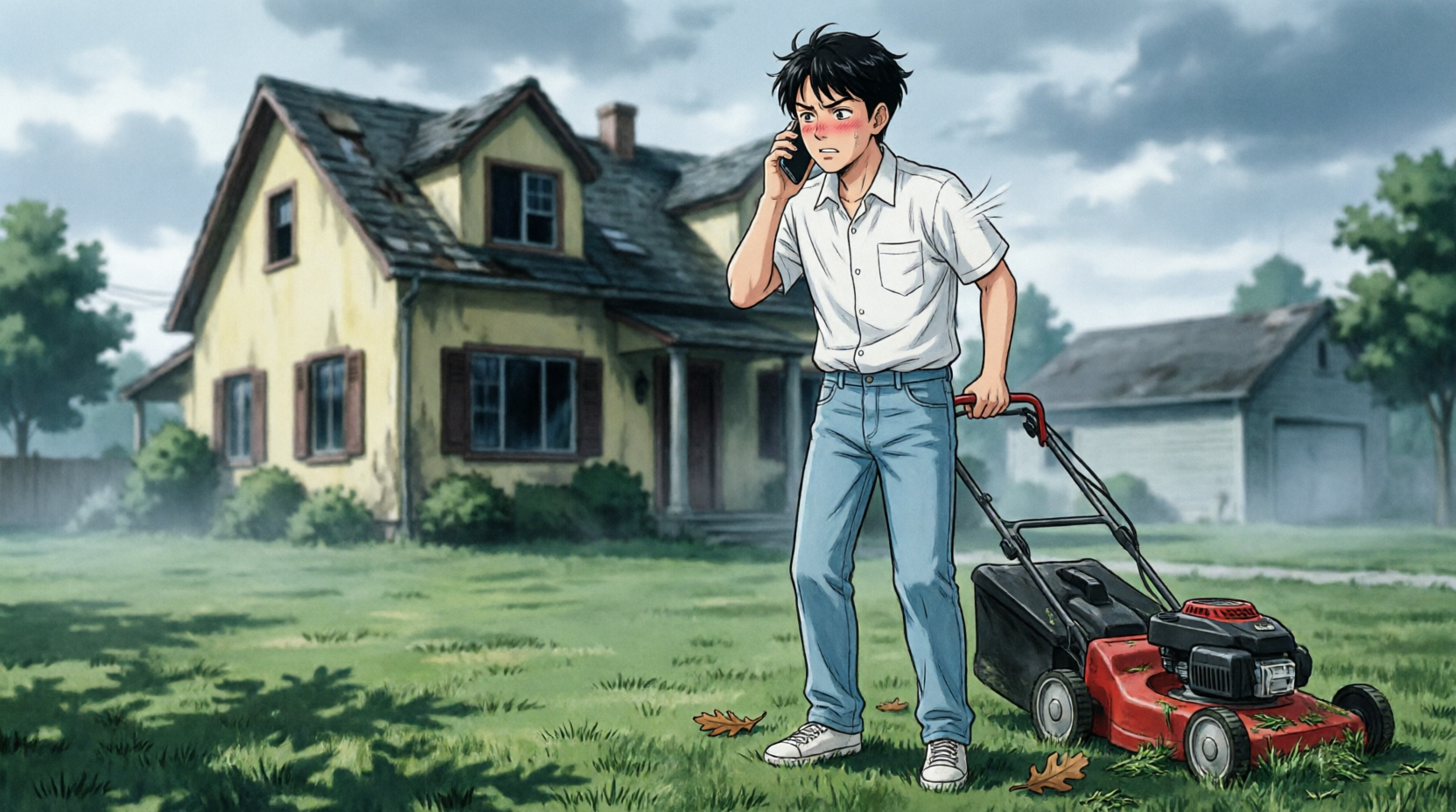
PART 4
The old cannery rose from the edge of the industrial road like a dead animal.
Its windows were broken.
Its brick walls were stained black by years of rain.
A small chapel stood across the tracks, its bell tower lit by a single yellow bulb.
Beyond it, the sea slapped against concrete in slow, heavy bursts.
The train horn sounded again in the distance.
Ruiz parked behind a row of abandoned delivery trucks.
“Stay down,” he said.
I stayed down.
But through the rain-streaked glass, I saw enough.
Officers spread around the building.
A drone lifted silently into the sky.
Calderón spoke into her radio.
“No sirens.”
“No lights.”
“Thermal scan the west side.”
“Check exits.”
A minute passed.
Then another.
The waiting was torture.
Every second felt like Marco moving farther away.
Every silence felt like Chloe running out of time.
Ruiz listened to his earpiece.
Then his face changed.
“What?”
I grabbed the seat in front of me.
“What is it?”
He didn’t answer.
Calderón opened the car door.
“We have heat signatures.”
“How many?”
“Four.”
Four.
Chloe.
Laura.
Maybe Birdie.
Maybe Marco.
Maybe someone else.
My mind counted possibilities until each number became terror.
Calderón crouched beside the open door.
“Evan, listen carefully.”
I nodded.
“There is an entrance at the rear.”
“We believe Marco is inside.”
“If Chloe hears your voice, she may respond.”
“Yes.”
“We may need you to call out after we breach.”
“Yes.”
“You do exactly what I say.”
“Yes.”
She looked at me like she was searching for the part of me that might break the plan.
She found it.
Every part of me was broken.
But broken things can still obey if the alternative is losing a child.
“I’ll do exactly what you say,” I said.
The first bang came from the rear of the building.
Then shouting.
“Police.”
“Hands visible.”
“Get down.”
A crash.
A scream.
A child’s scream.
I ripped off my seatbelt.
Ruiz slammed a hand against my chest.
“Not yet.”
“That was her.”
“Not yet.”
I fought him for half a second.
Then another sound came through the open radio.
“Suspect moving east.”
“Female adult located.”
“Child not secure.”
Calderón shouted, “Evan, now.”
I ran.
Rain hit my face like gravel.
Ruiz grabbed my arm and dragged me behind cover.
We reached the side of the cannery.
A red metal door hung open.
Inside was darkness, dust, and the sour smell of old fish oil.
Somewhere deeper in the building, Chloe cried out.
“Daddy.”
I almost collapsed.
Calderón held up one hand.
“Call her.”
I shouted into the dark.
“Chloe.”
The building swallowed my voice.
“Chloe, it’s Dad.”
A small voice answered.
“Daddy.”
“Keep talking, baby.”
“I’m here.”
“Where?”
“I don’t know.”
“Are you alone?”
“No.”
Another voice sobbed.
Laura.
Then Chloe cried, “He’s coming back.”
Officers moved.
A flashlight beam cut across the floor.
A chain rattled.
Something crashed overhead.
Marco was not running out.
He was running up.
Ruiz cursed.
“There’s a mezzanine.”
Calderón shouted, “Cover the stairs.”
I saw Laura first.
She was on the floor behind a stack of crates, wrists bound, hair plastered to her face.
Her cheek was swollen.
Her eyes found mine.
“Evan.”
I wanted to hate her.
I wanted to scream until my throat tore.
But then Chloe cried again from somewhere behind the crates, and everything else vanished.
I pushed past an officer and dropped to my knees.
There she was.
My daughter.
My Chloe.
Curled beside a smaller child with dark hair.
Both of them had their hands tied with cloth strips.
Chloe’s face was dirty.
Her dolphin hair clip was gone.
But her eyes were alive.
“Daddy,” she sobbed.
I pulled her into my arms.
The sound I made was not words.
It was relief breaking through terror.
She clung to my neck so hard I could barely breathe.
“I knew you’d come,” she cried.
“I knew it.”
“I’m here.”
“I’m here.”
“I’m here.”
The smaller child stared at me with blank, exhausted eyes.
Birdie.
I reached for her gently.
“You’re safe too.”
She did not move.
Salgado appeared beside us and wrapped the child in a blanket.
Laura was freed by another officer.
She crawled toward Chloe, crying.
“Baby.”
Chloe turned her face into my chest.
Laura stopped.
That tiny movement destroyed whatever remained of her.
Above us, boots pounded on metal.
Marco shouted something I couldn’t understand.
Then a gunshot cracked through the building.
Everyone dropped.
I covered Chloe with my body.
She screamed into my shirt.
Ruiz shouted from above.
“Weapon down.”
Another crash.
A struggle.
Metal bending.
Then silence.
The kind of silence that comes after a storm has chosen where to land.
My ears rang.
Calderón’s voice came over the radio.
“Suspect detained.”
I held Chloe tighter.
“Is he gone?” she whispered.
“Yes.”
“Promise?”
I looked at Ruiz as he came down the stairs with rain on his face and blood on his lip.
He nodded once.
“I promise.”
Marco Vidal was brought past us in handcuffs.
He was ordinary.
That was the worst part.
Not monstrous in appearance.
Not scarred.
Not wild-eyed.
Just a man in a dark jacket with wet hair and a calm mouth.
He looked at me as officers dragged him toward the door.
“You should be grateful,” he said.
I stood before I knew I had moved.
Ruiz blocked me.
Marco smiled.
“Your daughter has courage.”
I tried to get around Ruiz.
“Evan,” Ruiz warned.
Marco’s smile widened.
“Courage can be corrected.”
I lunged.
Ruiz and another officer caught me.
Chloe screamed, “Daddy, no.”
That stopped me more than the officers did.
I looked back.
My daughter was shaking.
Her eyes begged me not to become another frightening thing in that room.
So I stopped.
Marco was taken into the rain.
The smaller child, Birdie, began crying only after he was gone.
It started as a tiny sound.
Then her whole body folded into Salgado’s arms.
Chloe reached for her.
“She doesn’t like strangers,” Chloe whispered.
“She stayed with me.”
Birdie looked at Chloe.
Then she crawled into the space between us like a frightened kitten.
I held both children.
I held my daughter and a child whose real name no one yet knew.
And in the ruins of that cannery, under broken windows and police lights, I understood something I had never understood before.
A home is not safe because doors lock.
A child is not safe because adults promise.
Safety is something built every day by listening when small voices change, by noticing drawings on fridges, by asking the second question when the first answer feels too easy.
I had failed some of those tests.
But Chloe had not.
My daughter had seen a stranger in darkness and decided fear was not an excuse to look away.
PART 5
The hospital smelled like disinfectant, raincoats, and coffee.
Chloe refused to let go of my hand for six hours.
Doctors checked her.
Nurses cleaned the dirt from her arms.
A child psychologist came in with a soft voice and a box of colored pencils.
Chloe answered some questions.
Others she ignored.
Whenever someone said Marco’s name, her fingers tightened around mine.
Laura sat across the room.
She looked smaller than I had ever seen her.
No makeup.
No sharp voice.
No performance.
Just a woman staring at the child she had almost lost because she had wanted to believe the wrong man.
At dawn, Chloe finally slept.
Her hand remained curled around my thumb.
Laura stood and walked toward me.
I did not look up.
“Evan.”
“Not now.”
“I need to explain.”
I looked at her then.
There was so much anger inside me that it frightened me.
“No.”
She flinched.
“You do not need to explain.”
“I didn’t know.”
“You knew enough to hide him.”
Her face crumpled.
“I thought he was helping Sofia.”
“You gave him a key to my house.”
“He said he needed somewhere safe.”
“You gave him access to Chloe’s father’s home.”
She covered her mouth.
“I was stupid.”
“No.”
My voice was low.
“You were vain.”
She stared at me.
“You liked that he made you feel important.”
“You liked having secrets.”
“You liked knowing something I didn’t.”
Her tears fell silently.
“And when Chloe got scared, you told yourself she was dramatic.”
Laura sank into the chair.
“I thought she was jealous.”
“Of what?”
“Of him.”
I almost laughed.
It was too bitter to be a laugh.
“She is nine.”
“I know.”
“No, Laura.”
“You didn’t.”
A nurse glanced through the window.
I lowered my voice.
“Our daughter saw a kidnapped girl in a van, and somehow she understood danger more clearly than her mother did.”
Laura bent forward like the words had physical weight.
“I will never forgive myself.”
“That may be the only honest thing you have said.”
We sat in silence.
Then Laura whispered, “Will she ever forgive me?”
I looked at Chloe sleeping under the thin hospital blanket.
Her face was soft again in sleep.
Too soft for everything she had survived.
“That is not a question you get to ask now.”
Laura nodded.
For once, she did not argue.
The investigation widened over the next week.
Sofia’s mother was found alive in a rehabilitation clinic where Marco had arranged to keep her isolated.
Mina, the older girl Sofia mentioned, was rescued from a rented apartment outside Torrelavega.
Birdie’s real name was Alma Castillo.
She was eleven.
She had been missing for four months.
Her grandmother arrived at the hospital on the third day, fell to the floor when she saw her, and cried so hard that even the nurses wiped their eyes.
Dylan became a local hero, though he hated the word.
He visited once with flowers and stood awkwardly in the doorway.
Chloe smiled when she saw him.
“You heard Sofia,” she said.
Dylan nodded.
“You wrote the address.”
She shrugged, embarrassed.
“I didn’t know what else to do.”
“You did good,” he said.
Chloe looked at me.
“Did I?”
I sat beside her bed.
“You did something brave.”
She looked down.
“I was scared.”
“Brave doesn’t mean not scared.”
She thought about that.
“It means doing it anyway?”
“Yes.”
She nodded very seriously.
“Then Sofia was brave too.”
“She was.”
“And Birdie.”
“Alma.”
Chloe smiled faintly.
“Alma.”
The first time Chloe laughed again, it was because María del Carmen brought homemade churros to the hospital and accidentally dropped one into my coffee.
It was a small laugh.
Thin.
Almost surprised by itself.
But it was real.
I wanted to frame that sound and hang it where the drawing had been.
On the seventh day, Chloe came home.
Not to Laura’s apartment.
To my house.
The basement door had been replaced.
The locks had been changed.
Security cameras were installed.
The pantry wall was repaired where officers had found old scrape marks from Marco forcing the basement latch.
But the house still felt different.
A place can be cleaned and still remember.
Chloe stood in the kitchen, staring at the basement door.
“You don’t have to go near it,” I said.
She nodded.
“I know.”
“Do you want me to seal it?”
She shook her head.
“No.”
I waited.
She stepped closer to the door.
Then she placed one palm against it.
“Sofia was there.”
“Yes.”
“She was really scared.”
“Yes.”
Chloe looked at me.
“Can we make it not scary?”
I swallowed.
“How?”
She thought for a moment.
“Can we put shelves there?”
“There are already shelves.”
“Not storage shelves.”
“What kind?”
“For blankets.”
I did not understand.
She continued.
“And flashlights.”
“And water.”
“And old phones that work.”
“And maybe snacks.”
I crouched in front of her.
“Why?”
“So if someone ever needs help, they don’t have to be in the dark.”
My eyes burned.
I pulled her into my arms.
“Okay.”
So that is what we did.
Not immediately.
Not dramatically.
Piece by piece.
A week later, we cleaned the basement together with Dylan, María, and Officer Salgado, who came on her day off without saying why.
We threw out old paint cans, broken chairs, and boxes I had not opened since the divorce.
We painted the walls white.
Chloe chose yellow shelves.
Dylan installed a motion light.
María brought blankets.
Salgado brought a laminated card with emergency numbers.
On the last shelf, Chloe placed a box of granola bars and a small stuffed dolphin.
She stepped back and nodded.
“There.”
The basement was still a basement.
But it no longer felt like a mouth waiting to swallow secrets.
It felt like a room that had been forced to tell the truth.
PART 6
The trial began eight months later.
By then, Chloe was ten.
She had grown an inch.
She had also learned to sleep with the door half open and the hallway light on.
Some nights she woke screaming.
Some nights she came silently into my room and stood beside my bed until I opened my eyes.
I never told her to go back.
I simply lifted the blanket.
She climbed in.
We slept badly but together.
Laura lost unsupervised custody before the trial.
She did not fight it.
That surprised me.
The old Laura would have fought anything that made her look guilty.
The new Laura attended therapy, sold her apartment, moved in with her sister, and wrote Chloe letters she did not send because the therapist told her not to force forgiveness.
I read none of them.
That was between her and the wreckage she had made.
Marco Vidal entered the courtroom in a gray suit.
He looked smaller without the van, without darkness, without terrified children to control.
But when Chloe saw him, her hand went cold in mine.
“You don’t have to testify,” I whispered.
She looked at me.
“Yes, I do.”
“No, baby.”
“You said brave means doing it anyway.”
I closed my eyes.
Parents should be careful what truths they teach children.
Sometimes those truths come back wearing tiny shoes and a trembling voice.
Sofia testified first.
She wore a blue sweater and kept her eyes on Detective Calderón the whole time.
She spoke clearly.
She told the court about the van, the house, the basement, the folded paper, the girl at the vending machine who had not looked away.
When the defense lawyer tried to suggest Sofia had misunderstood Marco’s intentions, Sofia finally turned toward him.
“He locked children in rooms,” she said.
“There is no kind way to misunderstand that.”
The courtroom went silent.
Then came Laura.
I had dreaded her testimony.
Part of me wanted her punished publicly.
Part of me wanted Chloe spared the sight of her mother breaking apart under oath.
Laura walked to the stand with shaking hands.
She admitted giving Marco my spare key.
She admitted lying to me about the trip.
She admitted ignoring Chloe’s fear because accepting it would have meant admitting she had invited danger into our lives.
The prosecutor asked her why.
Laura cried before she answered.
“Because I wanted to be loved by someone who made me feel chosen.”
She looked toward Chloe.
“And because I chose that feeling over listening to my daughter.”
Chloe did not move.
I did not know whether those words helped her or hurt her.
Maybe both.
Then Chloe testified.
The courtroom adjusted itself around her.
Voices softened.
Papers stopped rustling.
Even the judge leaned forward gently.
Chloe sat with her feet not quite touching the floor.
She held the stuffed dolphin from the basement shelf.
The prosecutor asked simple questions.
Chloe answered them one at a time.
She told them about the service station.
The van door.
Sofia’s eyes in the dark.
The note with my address.
The way Marco smiled when he caught her looking.
The way her mother said she was imagining things.
The way she saw Sofia again and decided that imagining things did not make people cry like that.
Then the prosecutor asked, “Why did you write your father’s address?”
Chloe looked at me.
“Because my dad listens.”
I almost broke in the courtroom.
Because the truth was, I had not always listened.
Not well enough.
Not soon enough.
But to Chloe, I was still the safest place she knew.
That is a gift no parent deserves fully, but every parent must spend the rest of their life trying to honor.
The defense lawyer stood.
He tried to sound gentle.
“Chloe, you were very frightened, weren’t you?”
“Yes.”
“Sometimes when children are frightened, they remember things differently.”
Chloe tilted her head.
The same way she did when studying a math problem.
“I remember being frightened.”
The lawyer smiled faintly.
“So it’s possible some details are confused?”
“No.”
“No?”
“I remember the scary parts because they were scary.”
A few people in the gallery shifted.
The lawyer tried again.
“Your mother was also scared, correct?”
Chloe’s face changed.
“Yes.”
“And maybe your mother made mistakes because she was scared?”
Chloe looked at Laura.
Laura covered her mouth.
Then Chloe looked back at the lawyer.
“My mom made mistakes before she was scared.”
No one moved.
The judge lowered his eyes.
The lawyer sat down sooner than expected.
Marco Vidal was convicted on all major charges.
So were two others tied to him.
More arrests followed.
More families got phone calls they had been waiting months to receive.
Not every story ended like ours.
Detective Calderón told me that gently one afternoon outside the courthouse.
Some families got answers without reunions.
Some children came home carrying silence no one knew how to touch.
I thought of that often.
Joy can feel guilty when it survives beside other people’s grief.
But Calderón told me something else.
“Your daughter saved more than Sofia.”
I looked through the courthouse window at Chloe, who was sharing a packet of biscuits with Alma.
“How many?”
“We may never know exactly.”
That sentence stayed with me.
We may never know exactly.
It sounded like tragedy.
It also sounded like grace.
PART 7
One year after the day Dylan called me, Chloe asked if we could invite everyone for dinner.
“Everyone?” I asked.
“Sofia.”
“Okay.”
“Alma and her grandma.”
“Okay.”
“Dylan.”
“Of course.”
“Officer Salgado.”
“If she’s free.”
“Detective Calderón.”
“She might be busy.”
“María.”
“She would come even if we didn’t invite her.”
Chloe laughed.
“And Mom.”
The kitchen went quiet.
I turned from the stove.
Laura had seen Chloe only in supervised sessions.
There had been progress.
There had also been setbacks.
Chloe sometimes cried after seeing her.
Sometimes she became angry over small things.
Once she threw a cup because Laura said, “I missed you,” and Chloe shouted, “You were there.”
Healing was not a straight road.
It was a staircase in the dark.
Sometimes we climbed.
Sometimes we fell.
“You want Mom here?” I asked.
Chloe looked at the table.
“Not because everything is okay.”
“I know.”
“Because I want her to see the basement.”
I waited.
Chloe continued.
“I want her to see what we made.”
So we invited Laura.
She arrived carrying a pie she had clearly bought because she had never successfully baked anything in her life.
She stood on the doorstep, nervous as a stranger.
Chloe opened the door.
They looked at each other.
Laura did not reach for her.
That was progress too.
“Hi, sweetheart,” Laura said.
“Hi.”
“You look beautiful.”
Chloe frowned.
“I look normal.”
Laura nodded quickly.
“Normal is good.”
Chloe stepped aside.
“You can come in.”
Dinner was noisy in the way only healing dinners can be.
Too many people talking carefully.
Too many jokes landing softly.
Too many eyes checking the children every few minutes.
Sofia was fifteen now and taller.
She wanted to become a social worker.
Alma spoke more than she used to, though mostly to Chloe and her grandmother.
Dylan had started studying psychology because, as he told me, “Grass is fine, but people are louder.”
María brought enough food for twenty people and insulted my cooking with great affection.
Officer Salgado arrived late with flowers.
Detective Calderón arrived even later, still wearing her work jacket, and apologized to everyone individually.
After dinner, Chloe stood.
“Basement time.”
The adults exchanged glances.
Chloe saw them.
“It’s not scary.”
She led everyone to the kitchen.
For a second, she paused at the door.
Then she opened it.
The light came on automatically.
Yellow shelves glowed against white walls.
Blankets folded neatly.
Flashlights charged.
Bottled water.
First aid kits.
Emergency cards.
A small table with paper, pencils, and envelopes.
On the wall, Chloe had taped a sign she made herself.
If you are afraid, you are not alone.
Laura began crying before she reached the bottom step.
Chloe watched her.
I watched Chloe.
No one spoke.
Laura touched one of the blankets.
Then she turned to Sofia.
“I am sorry.”
Sofia’s face closed.
Laura swallowed.
“I know that does not fix anything.”
Sofia looked at her for a long moment.
“No.”
“It doesn’t.”
Laura nodded.
“You don’t have to forgive me.”
“I know.”
That was all.
But it was honest.
Sometimes honesty is the first clean brick after a house burns down.
Alma placed the stuffed dolphin back on the shelf because she had been holding it through dinner.
Dylan cleared his throat.
“I still can’t believe all this started because I thought the mower sounded weird.”
“It started because you listened,” Salgado said.
Dylan blushed.
Chloe stood in the middle of the room.
Small.
Serious.
Changed.
Still a child.
Still mine.
She looked at Laura.
“I was mad that you didn’t believe me.”
Laura nodded.
“I know.”
“I’m still mad.”
“I know.”
“But Dad says people can become safer if they tell the truth and keep telling it.”
Laura looked at me.
I looked away because my throat had closed.
Chloe continued.
“So you can come to dinner sometimes.”
Laura covered her mouth.
“But not all the time.”
Laura laughed through tears.
“Okay.”
“And you can’t bring anyone I don’t know.”
“Never.”
“And if I say someone feels wrong, you listen.”
Laura knelt slowly, giving Chloe time to step back if she wanted.
Chloe did not step back.
“I will listen,” Laura said.
Chloe studied her mother’s face.
“Every time?”
“Every time.”
Chloe nodded.
Not forgiveness.
Not yet.
But maybe the first nail in a bridge.
That night, after everyone left, Chloe and I sat on the back step.
The grass had grown long again.
Dylan had offered to mow it the next day.
The sky was clear.
The kind of quiet that used to feel ordinary now felt earned.
“Dad?”
“Yes?”
“Do you think bad things make people bad forever?”
I considered lying.
Parents want to hand children soft answers.
But Chloe had earned the truth.
“No.”
I said it carefully.
“But bad things can leave marks.”
“Like scratches?”
“Yes.”
“Do they go away?”
“Some do.”
“Some don’t?”
“Some become part of the story.”
She leaned against me.
“I don’t want Marco to be part of my story.”
I kissed the top of her head.
“He is not the main part.”
She was quiet.
Then she asked, “What is?”
I looked through the kitchen window toward the basement door.
“The part where you saw someone who needed help.”
“The part where you were scared and still kind.”
“The part where Sofia survived.”
“The part where Alma came home.”
“The part where Dylan listened.”
“The part where a room meant for hiding became a room for safety.”
Chloe thought about that.
“And pancakes?”
I laughed for real.
“Yes.”
“Definitely pancakes.”
She smiled.
A full smile this time.
Not the hospital kind.
Not the careful kind.
A Chloe smile.
The kind that had survived the dark and still found its way home.
FINAL PART
Years later, people would still ask me about that day.
They wanted the dramatic version.
The mysterious basement.
The whispering gardener.
The white van.
The police raid.
The trial.
They wanted a story with a clear monster and a clean ending.
But real life rarely offers clean endings.
Sofia still had nightmares.
Alma still hated vans.
Chloe still checked locks twice.
Laura still lived with the knowledge that love without judgment had nearly cost her child everything.
Dylan still froze whenever he heard crying through a wall.
And I still looked at every drawing on the fridge as if it might contain a map to someone’s pain.
But there was another truth too.
Sofia graduated two years later.
Alma joined Chloe’s school choir.
Dylan became the kind of counselor teenagers trusted because he never treated fear like an inconvenience.
Laura kept her promise to listen.
Not perfectly.
But honestly.
And Chloe grew into a girl who understood that kindness was not softness.
Kindness, real kindness, had teeth.
It noticed.
It questioned.
It acted.
On Chloe’s thirteenth birthday, she asked for no big party.
Instead, she wanted pancakes in the morning and dinner in the garden at night.
Sofia came.
Alma came.
Dylan came.
María came with too much food.
Salgado came in plain clothes.
Calderón came late, as always.
Laura came too, carrying flowers and asking permission before hugging Chloe.
Chloe allowed it.
Only briefly.
But she allowed it.
After dinner, Chloe stood on a chair with a glass of lemonade.
Everyone turned toward her.
She rolled her eyes.
“I’m not making a speech.”
Everyone laughed.
Then she made one anyway.
“When I was nine, I thought being brave meant not crying.”
She looked at Sofia.
“Then I learned that sometimes brave people cry the whole time.”
Sofia smiled through wet eyes.
Chloe looked at Dylan.
“Sometimes brave people are mowing lawns and stop because something sounds wrong.”
Dylan looked down, embarrassed.
She looked at me.
“And sometimes brave people are dads who are scared but come anyway.”
I shook my head.
She ignored me.
Then she looked at Laura.
“And sometimes brave people tell the truth about what they did wrong.”
Laura’s face trembled.
Chloe lifted her glass.
“So I think brave just means you don’t leave people alone in the dark.”
No one spoke for a moment.
Then María started clapping.
The rest of us followed.
The sound rose into the warm evening.
It moved over the long grass, past the blue door, through the open kitchen window, and down toward the basement where the yellow shelves waited quietly.
Later that night, after everyone had gone, Chloe helped me carry plates inside.
She paused by the basement door.
“You know,” she said, “we should make more rooms like this.”
“What do you mean?”
“Not basements.”
She smiled.
“Safe places.”
I looked at her.
“For who?”
“For anyone who needs one.”
That was how the Hartley Safe Rooms began.
Not as a foundation.
Not at first.
Just one father, one daughter, one retired neighbor, one former lawn-mowing student, one detective, one officer, and two girls who knew exactly what fear felt like.
We built the first official room in a community center six months later.
Then another in a church basement.
Then one in a school.
Each room had yellow shelves.
Each room had water, blankets, charged phones, emergency cards, and pencils.
Each room had the same sign Chloe made.
If you are afraid, you are not alone.
Years passed.
The story changed shape.
The newspapers moved on.
The court records gathered dust.
The house on the outskirts of Santander was repainted.
The basement became ordinary again.
But not forgotten.
Never forgotten.
One spring afternoon, I came home and found Chloe sitting at the kitchen table with a university brochure.
She was seventeen.
Tall now.
Sharp-eyed.
Still carrying that impossible mixture of gentleness and steel.
“What’s this?” I asked.
She slid it toward me.
Social work.
Child protection.
Crisis response.
I looked at the brochure.
Then at her.
“You sure?”
She smiled.
“No.”
I laughed.
“That is honest.”
“I’m scared.”
“That is also honest.”
She tapped the brochure.
“But I think scared people can still do useful things.”
I sat across from her.
“They can.”
She looked toward the basement door.
“I don’t remember everything anymore.”
“Good.”
“But I remember her crying.”
I nodded.
“I know.”
“And I remember you coming.”
My throat tightened.
“I almost came too late.”
“But you came.”
“I missed signs.”
“Then you learned to read them.”
I looked at my daughter, and for a moment I saw every version of her at once.
The little girl with the dolphin backpack.
The child in the cannery reaching for me.
The ten-year-old stocking yellow shelves with granola bars.
The thirteen-year-old defining bravery under garden lights.
The seventeen-year-old choosing to walk toward other people’s darkness with a flashlight in her hand.
“I’m proud of you,” I said.
She rolled her eyes, but she was smiling.
“You say that too much.”
“No.”
“I don’t think I say it enough.”
That evening, we made pancakes for dinner.
It had become our ritual after hard conversations.
Chloe burned the first one.
I ruined the second.
The third was perfect.
We ate standing at the counter, laughing like people who had once forgotten laughter and found it again in a drawer.
Before bed, I walked through the house checking locks.
Old habits.
Chloe called from the hallway.
“Dad.”
“Yes?”
“You don’t have to check twice.”
I looked at the lock under my hand.
Then I checked it once and stepped back.
“You’re right.”
She smiled.
“Goodnight.”
“Goodnight, kiddo.”
“Love you more than pancakes.”
The words hit me with the same force they always did.
But now they no longer cut.
They healed.
“Love you more than pancakes,” I said.
She went upstairs.
I stood alone in the quiet kitchen.
The basement door was closed but not frightening.
The house breathed around me.
Outside, the grass needed mowing again.
I thought about calling Dylan, though he would probably lecture me about buying my own mower after all these years.
Then I thought of that first call.
His whisper.
The crying through the vent.
The way one person stopping to listen had changed everything.
I opened the basement door and switched on the light.
Yellow shelves glowed softly below.
Blankets folded.
Water stacked.
Phones charged.
The sign still taped to the wall.
If you are afraid, you are not alone.
I stood there for a long time.
Then I turned off the light.
Closed the door.
And for the first time in years, I did not feel the need to check the lock again.