My mother called me seventeen times on the morning my brother got out of prison. Not sixteen. Not eighteen. Seventeen, one after another, as if sheer repetition could wear down the part of me that had already decided. By the time the seventeenth call lit up my phone, I was standing at my kitchen counter with a lunch knife in one hand and half a peanut-butter sandwich in the other, staring through the window at my backyard where my three daughters were chasing each other through damp grass in mismatched socks. Jane, my oldest, had just turned eight the month before. Elise was six and always moving, all elbows and sunlight. Rosie, my youngest, was four and still at that age where joy came out of her in full-body bursts.
I looked down at my phone vibrating across the counter and knew exactly what my mother wanted before I even touched it. Patrick was being released that morning. For five years, his name had existed in my life like a sealed room in a damaged house. You learned to move around it. You learned not to look directly at it if you wanted to keep functioning. You learned to answer your daughters’ innocent questions about why Uncle Patrick didn’t come to Thanksgiving with vague phrases like, “He lives far away,” or “He’s not available,” because there are some truths that feel like acid in your mouth when your children are still small enough to believe every adult is safe until told otherwise. But prison release dates are cruel things. They turn sealed rooms back into doors.
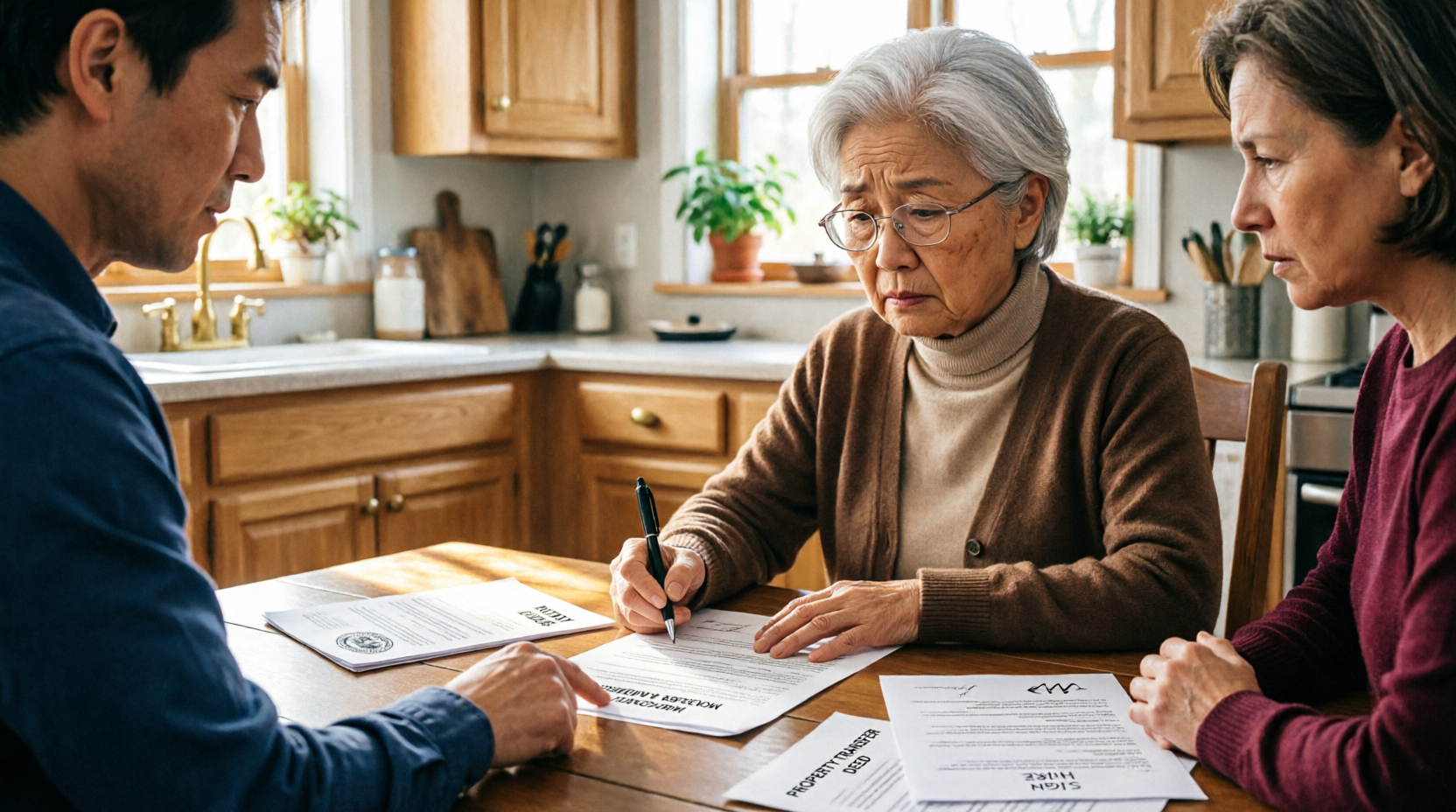
The phone stopped ringing. Then started again. Daniel, my husband, came in from the laundry room carrying a basket of folded towels and took one look at my face. “She’s started?” he asked. I nodded. He set the basket down slowly. Daniel was not a man who rattled easily. He was steady in the way old foundations are steady—quietly, without performance. But I saw his jaw tighten as he glanced at the phone. “You don’t have to answer.” “I know.” he call ended again. A second later, my mother texted. Please don’t do this today. He needs family. Don’t make this harder than it already is. Then another. God calls us to forgive.
Then another.
He has changed.
I laughed once. It came out sharp and humorless.
Changed.
There are words people use because they sound beautiful from a distance. Forgiveness. Grace. Healing. Redemption. My family loved those words. They held them up like stained glass, something holy and glowing, meant to impress anyone who didn’t know what was happening behind them. They used those words to cover over facts so ugly they could barely survive daylight.
The fact was this: my brother Patrick had been convicted of assaulting a seven-year-old girl who lived next door to our parents. He was not misunderstood. He was not railroaded. There had been evidence, testimony, a plea, a sentence. Five years. Not enough, in my opinion, but five years all the same. And now he was out, and my mother had apparently decided that his right to feel welcomed back into the family mattered more than my daughters’ right to be nowhere near him.
I wiped my hands on a dish towel and finally picked up the phone.
“Mom.”
Her voice came flooding through immediately, breathless with victory and accusation all at once. “Thank God. I thought you were going to ignore me all morning.”
“I was considering it.”
“Don’t start with that tone. Not today.”
My gaze drifted back out the window. Jane had picked Rosie up under the arms and was spinning her until both of them nearly toppled over.
“What do you want?”
“What do I want?” she repeated, as if I’d insulted her. “Your brother just came home. That’s what I want. I want this family to remember how to be a family.”
I closed my eyes. “Mom.”
“He has nowhere to go where he feels loved. Do you understand that? He has spent five years paying for one mistake—”
“One mistake?”
Her silence sharpened.
Then she said, quieter, more dangerous, “You know what I mean.”
“No,” I said. “Actually, I don’t. Because when you call what he did a mistake, it makes it sound like he forgot to renew a license or backed into a mailbox. He assaulted a child.”
“He served his sentence.”
“That is not the same thing as earning access to mine.”
Her inhale crackled over the line. Then she changed tactics so quickly I almost admired it.
“I’m coming over,” she said. “We need to talk in person like civilized people.”
“No.”
“You don’t get to keep making these declarations from a distance.”
“No, Mom.”
“I’m already on my way.”
Then she hung up.
I stood there with the dead phone in my hand and felt something deep inside me go very still.
Daniel was watching me. “She’s coming.”
“She says so.”
He nodded once. “I’ll get the girls inside.”
Mom arrived forty minutes later carrying a leather folder and the expression of a woman who had convinced herself she was on a holy mission.
She wore the blue coat she always put on when she wanted to look respectable in a fight. Not stylish. Respectable. The kind of coat that said church committees and casserole deliveries and volunteer hours. She looked like the sort of woman neighbors trusted with spare keys and children. She had built an entire life on that image, and for most of my childhood I had believed in it as completely as anyone else.
I opened the door but didn’t invite her in.
She looked past me immediately. “Where are the girls?”
“Not here.”
Her mouth tightened. “Already punishing me.”
“I’m protecting them.”
“Oh, for heaven’s sake.” She stepped forward, brushing by me before I could stop her. “Can we not do this performance? I’m your mother.”

Daniel appeared in the hallway, arms folded. She saw him, saw that the girls were nowhere in sight, and adjusted. A softer face. A wounded voice.
“I didn’t come to fight.”
“You should have called before showing up,” Daniel said.
“I did call.” She set the folder down on the dining table with dramatic care. “Seventeen times.”
“Which should have told you something,” I said.
She ignored that. She opened the folder and began laying papers out like exhibits in a church bake sale. Certificates. Completion forms. Attendance records. Anger management. Faith-based recovery. Conflict resolution. Vocational training.
“He completed every program they offered him,” she said. “Every single one. The chaplain wrote a letter. The counselor wrote a letter. His case manager said he has shown sincere remorse.”
I stared at the papers without touching them.
“So?”
Her eyes flashed. “So? That’s your response?”
“Yes.”
“He did the work.”
“In prison.”
“He found God.”
“In prison.”
“He changed.”
“In prison.”
Something in my repetition got under her skin. “Do you think people can never come back from anything?”
“Not with my daughters,” I said.
Her face shifted. Pleading gave way to fury so fast it almost took my breath. “Those girls are his nieces.”
“And he is a convicted child sex offender.”
Daniel moved a step closer behind me. Not because he thought she’d strike me. Because he knew my mother’s real talent had always been escalation through words, and he was bracing for impact.
She lifted one of the certificates and shook it lightly as if the paper itself should count for something. “You are talking about him like he’s an animal.”
“I’m talking about what he did.”
“You are depriving him of his family.”
“I am depriving him of my daughters.”
“Which is cruel.”
“No,” I said, more quietly than before. “Cruel is what he did to that little girl.”
For one suspended second, the room held still.
Then my mother did something I had not expected.
She pressed her hand to her chest and said, “Where is your Christian heart?”
I almost laughed again. That was always her last refuge when reason failed her—religion, deployed like a weapon. Not faith. Not humility. Not actual moral reckoning. Just scripture used as a club.
“My Christian heart,” I said, “is with the child he hurt and with my daughters.”
She looked at Daniel as if appealing to the nearest reasonable adult. “Are you really going to let her do this?”
Daniel didn’t blink. “Yes.”
Mom stared at him, stunned. In her world, husbands were supposed to coax and smooth and tell women not to be emotional. Daniel had supported me from the day Patrick was arrested. It offended her more deeply than anything I said.
She gathered the papers back into the folder with clipped, furious motions. At the door she turned and delivered her final line like prophecy.
“This family will remember what you did,” she said.
I held the door open. “Good.”
After she left, I stood at the window and watched her sit in her car for a long time without driving away. Her hands moved as she spoke to someone on speakerphone. I didn’t need to guess who.
Patrick was out for less than six hours before the campaign began.
My sister Beth called that afternoon sobbing so hard I could barely understand her at first. Beth had always been my mother’s echo with a prettier voice. She absorbed opinions the way curtains absorb smoke. By the time she got to the point, her tears had sharpened into accusation.
“He has nowhere to go where he feels wanted,” she said. “Do you know what that does to a person?”
“No, Beth. Do you know what being assaulted at seven does to a person?”
“You are impossible.”
“Maybe.”
“He just wants to see his nieces.”
“He will not.”
She cried harder. Whether out of real grief or performance, I couldn’t tell anymore. “You’re so cold.”
I thought of my daughters upstairs in their room, making a fort out of blankets and dining chairs.
“I can live with that,” I said, and hung up.
Dad’s version arrived in the form of Bible verses.
He texted them every morning at 6:03 for a week. Not messages of his own, because that would have required vulnerability. Just verses. Forgive seventy times seven. Judge not. Blessed are the merciful. As if copy and paste could absolve him from choosing his son over his granddaughters.
Then Aunt Helen from three states away called to tell me everyone deserved a second chance. My cousin Mark messaged me on Facebook saying prison had probably been harder on Patrick than I realized. My mother’s church friends began sending me little digital flowers and praying hands. The whole thing had the suffocating politeness of a mob wearing cardigans.
The real ambush came at Sunday dinner.
I should never have gone.
Mom had my grandmother’s ring, a thin gold band with a tiny emerald stone that had belonged to the only woman in our family who had ever looked at me and seen a person instead of a role. Grandma had promised it to me when I was sixteen. After she died, Mom said it needed resizing before she gave it to me. Weeks went by. Then months. Finally, after Patrick’s release, she texted that it was ready.
Come Sunday afternoon, she wrote. I’ll have dinner going.
I should have known. I did know. But some stupid, grieving part of me wanted that ring. Wanted one thing from the old world that had not been contaminated.
Daniel had to work that afternoon, and I made the mistake of thinking I could stop by with the girls, collect the ring, refuse dinner, and leave.
The second I opened the front door, I knew.
The smell hit first—pot roast, rosemary, bread warming in the oven. My mother’s weaponized hospitality. Then voices. Too many. Dad laughing too loudly. Beth in the living room. Aunt Helen was somehow there in person, having “decided to surprise everyone.” My uncle. Two cousins. The house staged to create pressure through numbers.
And Patrick, sitting at the kitchen table with a glass of iced tea in front of him, as if he had simply stepped back into an old life waiting patiently on pause.
Everything inside me turned to ice.
Jane saw him first.
“Uncle Patrick!”
She said it with the bright, unquestioning joy children reserve for names that once meant safety. Before I could stop her, she ran forward. Elise followed because Jane did. Rosie toddled behind on instinct.
I do not remember crossing the room. One second my daughters were moving toward him, and the next they were behind me, gathered against my body so hard they cried out in confusion.
Patrick stood halfway up, hands raised. He had lost weight. Prison had hollowed his cheeks a little, sharpened the bones of his face. But the eyes were the same. Familiar enough to twist something sick in my stomach.
“I only wanted to meet them,” he said softly, and the softness was part of what made me want to scream. “I’m their uncle.”
I looked at him and saw not a man trying to rebuild his life, but a man and a family collaborating to test my limits.
“You do not get to be near my children.”
Mom clapped her hands over her ears.
Actually covered her ears like a child and said, “I am not listening to this in my house.”
Dad muttered, “For God’s sake, let it go.”
Beth stood up so fast her chair scraped the floor. “You are terrifying the girls.”
No. Patrick had done that. They just didn’t know it yet.
Jane tugged on my sleeve, confused. “Mommy?”
I crouched, forcing my voice to stay steady through the roar in my ears. “Shoes. Right now.”
Patrick took one small step toward us.
Daniel had once told me that fear can be clarifying. It peels away everything false. In that moment, I understood him completely.
“Don’t,” I said.
He stopped.
I straightened and looked around the room at all of them—my mother with her offended holiness, my father with his contempt, Beth flushed with righteous fury, the assorted relatives pretending they weren’t participating in something grotesque.
“You ambushed my children with a convicted predator,” I said. “That is what this is. Don’t rewrite it in real time.”
Mom dropped her hands from her ears just long enough to spit, “How dare you say that in front of them?”
“How dare you invite him in front of them?”
Then I picked up Rosie, took Jane’s hand, told Elise to hold onto my coat, and walked out while my family shouted behind me.
My hands shook so badly on the drive home that I had to pull over twice.
That night, Jane asked me in a small voice why Grandma had been mad.
I told her adults were having a serious disagreement and she had done nothing wrong. It was both true and not enough.
The next morning, the smear campaign began.
Mom told her church I was keeping her grandchildren from her for no reason. Beth posted on Facebook about “the tragedy of pride standing in the way of reconciliation.” She did not name me, but she didn’t have to. Anyone who knew our family understood exactly who she meant. Comments poured in. Praying for your family. So heartbreaking. Some people don’t understand grace. The performative sympathy made me want to put my fist through a wall.
Then Patrick started showing up.
First at the grocery store. He was at the far end of produce when I turned with Rosie in the cart and saw him pretending to inspect avocados. He waved. Not aggressively. Just a small, almost sad little wave, as if we were estranged siblings in a melodrama and not a mother and a convicted offender in a public place.
I turned the cart around and left without buying anything.
Then the park. He stood outside the fence while the girls were on the swings and called, “Hey, girls,” in that falsely gentle voice. Several mothers turned. One of them recognized him. I saw it happen in real time—the flicker, the stiffening shoulders, the quick reach for her own child. Shame and fury crashed through me so hard I nearly choked on it.
Then he drove past our house three times in one afternoon.
After the third pass, Daniel installed cameras.
I started a notebook.
Date. Time. Location. Witnesses. Vehicle. Behavior. Everything.
I felt ridiculous at first, like a woman in a made-for-TV thriller, documenting patterns no one would believe. Then I realized no one believing me was exactly what my family was counting on.
The breaking point came at Jane’s birthday party.
She had wanted a pool party at the community center, but it was October and too cold, so we rented the little hall attached to the recreation building and decorated it with streamers and paper stars and a table full of cupcakes she had helped frost herself. She wore a blue dress and a plastic silver tiara and spent the first half hour announcing to everyone that being eight felt different. More important. More official.
For almost an hour, it was perfect.
Then the back doors opened.
Patrick walked in carrying a wrapped present.
My mother came in right behind him, smiling like she had arranged a delightful surprise.
The room changed instantly. Some shifts in atmosphere are almost physical, like a pressure drop before a storm. Conversations cut off mid-sentence. Chairs scraped. One father at the gift table went white as paper. He knew Patrick from the registry website. I could tell by the way his eyes snapped from Patrick’s face to mine and then toward his own daughter.
“What are you doing here?” I said, louder than I meant to.
Mom’s smile widened with brittle insistence. “Every little girl deserves her uncle at her birthday.”
Jane heard the word uncle and looked up, confused and hopeful all at once.
Then parents started moving. Fast. Gathering coats. Calling children. One mother whispered to another. Someone said, “We should go.” Another said, “Now.”
The party dissolved in under three minutes.
Children who had been playing musical chairs moments earlier were being hustled toward exits by alarmed adults. Jane looked around the room and saw friends leaving before cake. Her face crumpled.
Patrick held out the gift box toward her as though he were the injured party here. “I brought you something special.”
Daniel stepped between him and our daughter.
“What special thing did you think to bring a little girl?” he asked, in a voice I had only heard once before, when a contractor had nearly backed a truck into Rosie’s stroller.
Patrick’s mouth thinned. “It’s a doll.”
Mom made a tisking sound. “Don’t make this ugly.”
But it was already ugly. It had been ugly from the moment they decided to walk into that room.
Jane burst into tears and ran toward the bathroom. Elise followed her. Rosie started crying because everyone else was.
I took the gift from Patrick without unwrapping it and set it on the nearest table.
“Get out,” I said.
Mom actually looked offended. “You are humiliating him.”
“I’m trying to avoid calling the police at my daughter’s birthday party.”
That finally moved them. Maybe not my words, but the sight of two fathers now standing nearby with cell phones in hand. Patrick turned and left. Mom followed, still muttering about cruelty and family and how no one was even giving him a chance.
After the last guest was gone, after Daniel found Jane locked in a bathroom stall sobbing that everyone had left because nobody liked her anymore, after we loaded untouched cupcakes and paper plates and half the decorations into the trunk in silence, I sat in our garage and unwrapped the gift.
It was a doll in a tiny one-piece bathing suit.
Nothing overtly illegal. Nothing a court clerk would gasp over. Just wrong enough to make my skin crawl.
I filed for a restraining order the next morning.
That was when the war began in earnest.
Mom spent her retirement money on Patrick’s lawyer. When our attorney told us who had taken the case, I almost laughed from disbelief. It was a decent family-law attorney in town, not some ambulance chaser, and he had actually agreed to argue that Patrick deserved access to his nieces because he had “completed his sentence” and “posed no current legal threat.”
No current legal threat.
As if legality and danger were the same thing.
At the temporary hearing, their attorney framed me as emotional, vindictive, and consumed by old anger. Patrick sat in a button-down shirt, hair neatly combed, eyes lowered at all the appropriate times. My mother cried on cue. Dad looked grim and disappointed, like a patriarch forced to endure rebellion from an unreasonable daughter.
The judge granted a temporary order based on the birthday party incident and documented drive-bys, but he warned us that final hearings required strong evidence. Patrick’s probation had ended. He wasn’t technically violating the law by being in public places unless we could demonstrate a pattern of harassment.
Pattern, I thought. I can give you pattern.
So I got serious.
I called nearly every family-law attorney in town and scheduled consultations. Some people would call it manipulative. I called it survival. If I met them first and discussed details, many would be conflicted out from representing my mother or Patrick later. Daniel watched me sit at the kitchen table with legal pads and coffee and a phone charger and become the most organized version of panic I had ever been.
The school removed my entire family from the approved pickup list after Beth tried to collect the girls one afternoon claiming there had been a “family emergency.”
The principal called me personally.
“She was extremely insistent,” he said carefully.
“Did she say what the emergency was?”
“No. Only that she had your permission.”
“She did not.”
He paused. “I didn’t think so.”
He was kind enough not to say how frightening it was that we even needed this conversation.
We enrolled the girls in after-school programs with stricter supervision. Daniel rearranged shifts when he could. We changed grocery stores. Changed playgrounds. Changed routines. It felt insane at first, living as if we were hiding from a storm no one else could see, but that was the thing about storms. You do not wait for other people to recognize the clouds before you close the windows.
Three days before the final hearing, Cheryl called.
Cousin Cheryl had always been the one relative who floated at the edges of family drama without fully joining. She was practical, tired-looking even in college, a woman who had somehow inherited none of my mother’s appetite for performance. She asked if we could meet for coffee, and there was something in her voice that made me say yes.
The café was small and nearly empty. Cheryl got there before I did and chose a corner table where no one could easily overhear us. She looked exhausted, the kind of exhausted that sits in the skin rather than under the eyes.
“I don’t have long,” she said after I sat down.
“You sound like you’re in a spy movie.”
“I might as well be.”
That got my attention.
She glanced around once, then pulled out her phone.
“I need to show you something before I lose my nerve.”
She opened a group chat.
Twenty-three people.
Aunts. Uncles. Cousins. My parents. Beth. Two in-laws. Even relatives I had not spoken to in years.
At the top, the group name was simply Family First.
My stomach dropped.
Cheryl scrolled.
I read messages about “accidental” encounters being arranged at school activities, grocery stores, church. Suggestions that several grandparents and great-aunts file separate petitions so I would be overwhelmed in court. Detailed discussions of which relatives should write character letters for Patrick, what language to use, how to describe me as unstable without sounding vindictive. My mother coaching people on how to frame things in front of a judge. Beth drafting social media posts for sympathetic church members. Dad offering to talk to Daniel “man to man.” One uncle literally wrote that if enough people showed up around the girls often enough, they might “stop acting scared and remember he’s family.”
I felt cold all over.
The worst part was the revision of history.
Mom had convinced half the family that Patrick’s conviction had been exaggerated, that the victim’s parents had “overreacted,” that he had been young and stupid and affectionate in the wrong way. Not criminal. Not predatory. Just misunderstood. It was astonishing how easily some people accepted a version of reality that cost them nothing personally.
Cheryl took the phone back before I could finish scrolling. Her hands were shaking.
“I checked the court records myself,” she said. “I know what he did.”
“Why are you showing me this?”
Her jaw tightened. “Because I have kids too.”
I sat back slowly, trying to breathe.
“Can you send me screenshots?”
She nodded. “Already did. To a new email address.”
That was the moment I understood two things at once.
First, my mother was not acting impulsively out of grief. She was strategizing.
Second, I was not overreacting. If anything, I had underestimated how far she would go.
That evening, Patrick parked across from our house with my mother in the passenger seat.
They just sat there.
For an hour.
Not touching the curb in front of our property. Not stepping onto our lawn. Just watching.
When Daniel went outside and started toward them, they drove away. They returned the next morning at 6:40 and sat there again until the girls’ bus came. I kept the curtains shut and made breakfast by the light over the stove.
The girls noticed the tension anyway.
“Why can’t we eat at restaurants anymore?” Elise asked that week.
“Why does Dad keep checking the doors?” Jane asked.
“Why did Grandma lie to the principal?” Rosie asked in the solemn, devastating voice of a child absorbing far more than adults realize.
I answered with watered-down truths. Safety. Boundaries. Grown-up problems. Family disagreement.
Children are experts at noticing the shape of fear even when you never name it.
A week before the hearing, I was loading groceries into the trunk when a woman approached me in a CPS windbreaker.
Someone had filed a report claiming I was emotionally abusing my children by alienating them from loving family.
Her name was Patricia. She was polite, thorough, and visibly uncomfortable the moment I told her my brother was a convicted child offender and produced documentation. She still had to do her job. That meant a home visit. Interviews. Refrigerator check. Bedroom check. Quiet notes while my daughters proudly showed her their drawings and school folders and the fairy lights Jane had begged us to hang over her bed.
The visit went well. We had nothing to hide.
But that did not mean it didn’t hurt.
The complaint came from my mother’s address.
I found that out through our lawyer, who subpoenaed the report. The allegation described me as vindictive, paranoid, and committed to severing my children from their “healthy support network.” It was written in calm bureaucratic language, which somehow made it worse. Evil sounds more respectable when spell-checked.
As the hearing approached, Patrick escalated.
He took to jogging past our house every morning. Always on the public sidewalk. Always slowing just a little in front of the living-room windows. Once, he waved.
Dad started leaving voicemails about how I was destroying the family legacy.
Beth sent me long emails with subject lines like Healing Starts Somewhere and Children Need Roots.
Then the letters started arriving for the girls.
Handwritten envelopes in looping, loving script. Inside: carefully worded messages about how much Grandma missed them, how sad everyone was, how Uncle Patrick loved them and hoped they would remember him kindly. One aunt included a glossy photo of Patrick looking contemplative on a porch, like a man in a redemption-themed perfume ad.
I intercepted every one.
I sat at the kitchen table, opened mail addressed to my own daughters, read poison written in the language of affection, and fed it through the shredder while Rosie colored beside me.
Daniel installed an alarm system. Then additional locks. Then more cameras.
We started shopping in the next town over.
I changed pediatricians because my mother somehow persuaded my childhood doctor to write a character letter about how devoted Patrick had always been to “family values.” That was when I stopped believing there was any floor beneath this.
The weekend before court, Mom filed an emergency petition for grandparent visitation.
Not just visitation.
Visitation with Patrick allowed to attend as the girls’ uncle.
Our lawyer, Andrea Greene, called it a kitchen-sink move.
“They’re hoping to force a compromise,” she said over speakerphone while Daniel and I sat at the table in stunned silence. “If the judge won’t deny the restraining order, they’ll try to secure some pathway in through your mother.”
I looked at the stack of evidence we had assembled—camera logs, photographs, screenshots, CPS paperwork, school incident reports, copies of letters, witness statements from parents who had been at Jane’s birthday.
“What kind of judge grants visitation under these circumstances?”
Andrea was quiet a beat too long.
“The kind who believes preserving family ties is almost always in a child’s best interest unless there is a very direct legal barrier. Patrick is that barrier. Your mother isn’t, at least on paper.”
On paper.
There are so many things paper does not capture. The way a room feels when danger walks into it. The sick logic of a grandmother who values her son’s comfort over her granddaughters’ safety. The particular exhaustion of being told you are cruel because you will not volunteer your children to become proof of a predator’s redemption.
The morning of the hearing arrived gray and wet.
I dressed in a navy dress and a cream cardigan because Andrea advised me to look careful and composed but not severe. Daniel wore his only suit, the one from his cousin’s wedding. We dropped the girls at school early under tightened security protocols. Jane asked if we’d be home before dinner. I told her yes.
I wasn’t sure.
The courthouse parking lot was full of familiar cars.
That was the first thing I saw as we pulled in: my family had come in force. My mother’s SUV. Dad’s truck. Beth’s sedan. Aunt Helen’s rental. Cars belonging to cousins and church people and I don’t know who else. My family had treated this like an opening night.
Inside the courtroom, they occupied nearly two full rows.
Patrick sat in front beside Mom and his attorney, wearing a charcoal suit and a tie I had given him for Christmas ten years earlier. It hit me with a weird flash of nausea. There was something obscene about seeing an old gift from me tied neatly at the throat of a man fighting for the right to be near my daughters.
Mom dabbed her eyes with a tissue before the hearing even began.
Dad looked around grimly, making sure people saw his burden.
Beth whispered to a church friend wearing a silver cross the size of a serving spoon.
Our side of the room had four people: Andrea, Daniel, me, and Cheryl.
When I saw Cheryl slip into the back row alone, I almost cried from relief.
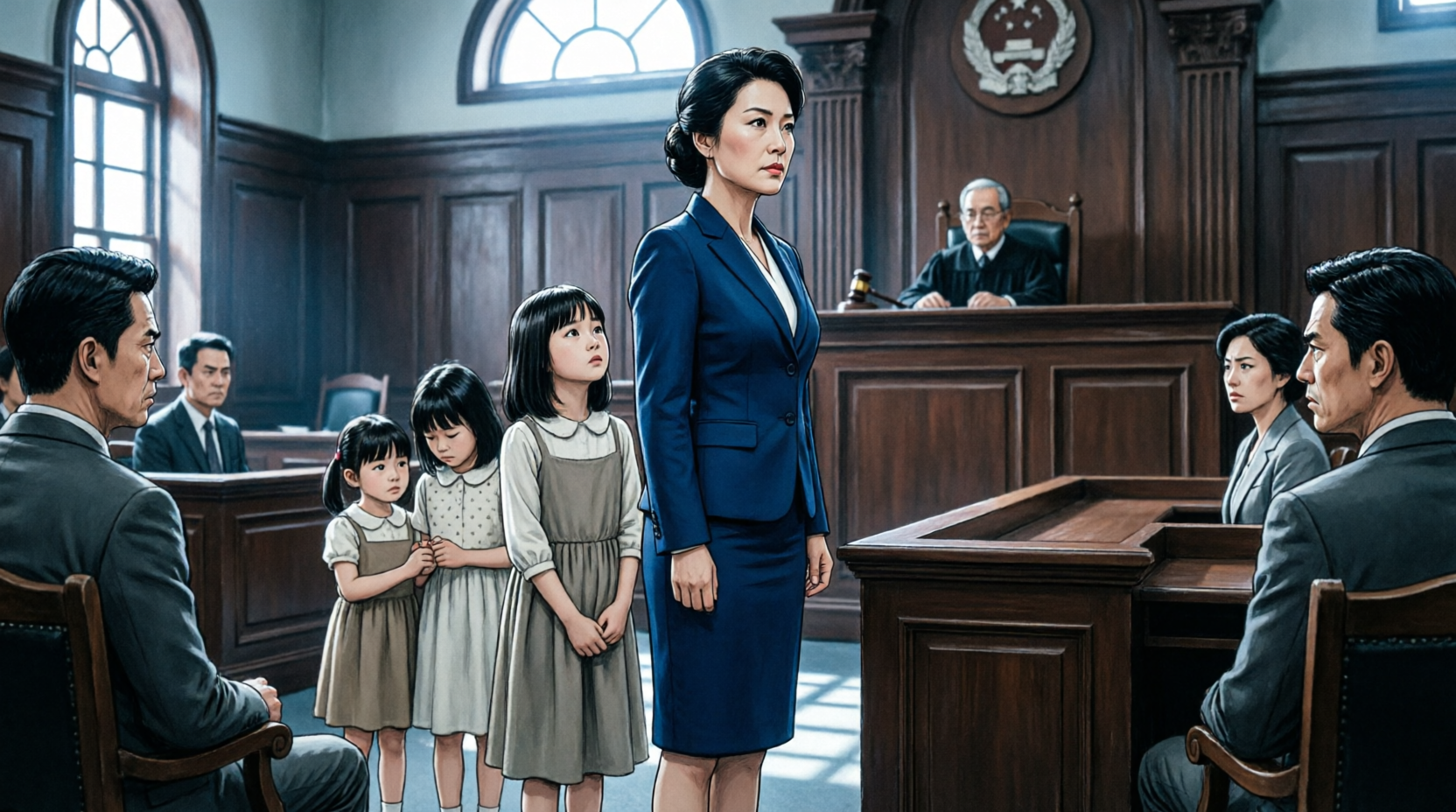
The judge entered. The gavel struck. My pulse climbed so high I could hear it in my ears.
Andrea started with the surveillance evidence. She laid out the timeline cleanly, methodically: repeated drive-bys, documented sightings, the birthday-party incident, the letters, the school pickup attempt, the retaliatory CPS complaint, the group chat planning. She was calm in a way I desperately needed. Not outraged. Not theatrical. Just clear.
Patrick’s attorney countered exactly as expected. A man may use public roads. A grandmother may seek contact with grandchildren. Coincidences happen in small towns. My client has served his sentence. My client seeks only healing. The petitioner has allowed fear and anger to turn ordinary family contact into imagined persecution.
Imagined persecution.
I wrote the phrase on my legal pad just so I wouldn’t scream it out loud.
Mom took the stand before lunch.
She cried beautifully.
I have to give her that. Some people cry because they feel too much. My mother cried because she understood the social power of appearing wounded. She described herself as a grandmother cut off without cause. She talked about baking cookies with the girls, about Christmas mornings, about how Patrick had “made mistakes” but had always loved family deeply. She looked at the judge with wet, earnest eyes and said, “I cannot understand why my daughter wants to poison the next generation against us.”
Andrea stood for cross-examination and, in that moment, earned every cent we were paying her.
She walked my mother through the facts one by one with such quiet precision that there was nowhere to hide.
“Mrs. Collins, did your son Patrick plead guilty in the criminal matter involving a minor?”
Mom clasped her hands. “He accepted a deal.”
“That is not my question.”
Silence.
“Yes.”
“Was the child seven years old?”
“I don’t know exact—”
“Was she approximately seven?”
“Yes.”
“Did you bring Patrick to the birthday party of your eight-year-old granddaughter after being told he was not to be near the children?”
Mom swallowed. “I believed exposure would help normalize—”
“Yes or no?”
“Yes.”
“Did you sit in a parked car across from your daughter’s house with Patrick for approximately one hour on October 18?”
Mom’s face hardened. “We were on a public street.”
“Yes or no?”
“Yes.”
“Did you file a CPS report alleging emotional abuse?”
“I called because I was concerned—”
“Yes or no?”
“Yes.”
Andrea held up screenshots of the group chat. “Is this your phone number?”
Mom tried to say she didn’t recall. Andrea had her read out her own words: We need a united front. Keep pressure on her. If enough of us show up, she can’t keep controlling the narrative.
Something shifted in the room then.
It was subtle, but I felt it. The church ladies stopped looking quite so certain. One of my cousins stared down at his lap.
Not because they suddenly found morality. Because once manipulation is stripped of costume, it becomes harder to applaud in public.
Cheryl testified next.
Her voice shook at first, then steadied. She read messages aloud from the group chat. Plans to “accidentally” run into us. Discussions of flooding us with letters. My mother coaching family members on what to say in affidavits. Patrick’s name mentioned repeatedly in connection with getting “back in the girls’ lives” through Grandma if direct access remained blocked.
Patrick took the stand after lunch.
He had clearly been coached to project humility. Soft voice. Lowered gaze. Therapeutic vocabulary. He talked about rehabilitation. Accountability. The pain of being rejected by family after serving his time. He said he only wanted a chance to know his nieces from a distance, to be “a healthy presence.”
Andrea asked him why he had chosen to jog past our house.
“It’s part of my route.”
“Every morning?”
“Yes.”
“And the grocery store?”
“Coincidence.”
“The park?”
“Coincidence.”
“Jane’s birthday party?”
He paused too long. “I believed a family event was an appropriate—”
“Even after being told you were not welcome near the children?”
“I thought maybe if she saw I meant no harm—”
No harm.
There it was again. The language of men who think their intentions matter more than other people’s fear.
Andrea then introduced portions of the victim impact statement from his criminal case. Not the whole thing. She was careful. But enough.
Patrick’s composure cracked.
Not dramatically. Just a flicker. A tightening around the eyes. A brief flash of anger that vanished almost as soon as it appeared.
I saw the judge see it.
That mattered.
By the time I testified, I felt stripped raw.
Andrea guided me through the chronology. I talked about the release date, the ambush dinner, the party, the stalking, the school, the letters, the CPS visit, the gifts. I did not embellish. I did not speculate. I just told the truth in the plainest language I could manage.
Patrick’s attorney rose for cross-examination with the smile of a man who thought he knew exactly what kind of woman I was.
“Mrs. Collins,” he said, “would it be fair to say you have experienced significant anger toward your brother?”
“Yes.”
“Would it also be fair to say that anger has influenced your decisions?”
“My children’s safety has influenced my decisions.”
“That wasn’t my question.”
“It’s still my answer.”
A few people in the gallery shifted.
He tried another route.
“You have changed schools, routes, social routines, doctors, and family contact in response to what may have been lawful public encounters. Do you think that is a proportionate response?”
“Yes.”
“Even if your children suffer socially and emotionally?”
“They suffer more if I fail to protect them.”
He leaned against the lectern. “Is it possible, Mrs. Collins, that you are using your brother’s past to justify controlling the entire family?”
For one heartbeat I imagined standing up and throwing something at him.
Instead I folded my hands in my lap and said, “No. I am using my brother’s criminal conviction for assaulting a seven-year-old, combined with his repeated boundary violations since release, to justify keeping him away from my daughters.”
You could feel the line land.
The judge recessed to review materials late that afternoon. In the hallway, Dad cornered Daniel by the water fountain. I saw it happen from twenty feet away: Dad getting close, jaw working, finger jabbing toward Daniel’s chest. Daniel did not react. He simply stepped around him and walked back to Andrea.
Then, as we were leaving for the day, Patrick made his move.
He stepped into my path near the courthouse exit, just close enough that I had to stop short.
His face was calm. His voice low enough that only I could hear.
“I’ll see them soon,” he said.
Not a threat in the legal sense. No explicit promise of violence. Just certainty. Just possession. Just the confidence of a man who had spent his entire life protected by people willing to call women hysterical for objecting to him.
Daniel was between us in less than a second.
Andrea documented the interaction immediately.
Patrick smiled faintly and walked away.
That night, someone stuffed our mailbox with letters from relatives condemning our cruelty. Someone else left a Bible on our front step with passages about forgiveness highlighted in neon yellow. I threw the Bible into the trunk of my car because I could not bear to touch it long enough to bring it inside.
The judge did not issue a ruling that day.
He said he would review the evidence and decide within three days.
Those three days were some of the longest of my life.
Beth showed up at the girls’ school the very next morning claiming there was a family emergency and she had been sent to pick them up. The staff followed protocol and denied her access, but she made such a scene that the principal called me in. He showed me security footage of Beth crying dramatically at the front desk while insisting the girls needed her.
“They handled it,” he said. “But other parents noticed.”
I looked at the grainy footage of my own sister trying to use panic and public pressure to get near my daughters and felt almost detached from my own body.
At home, Daniel installed still more cameras. He had taken leave from work because Dad had shown up twice in the parking lot there with pamphlets about forgiveness and “restorative family healing,” as though this were a corporate wellness issue.
Cheryl kept sending updates from the family group chat.
The conversation had shifted from the hearing itself to next steps. They discussed filing multiple actions to drain us financially. Rotating appearances at school and sports activities so no single person could be accused of harassment. Building a narrative that I was unstable, alienating, paranoid. The words were almost professional in their coordination. My family had become a committee devoted to wearing me down.
The girls felt it.
Jane started asking if we had done something wrong.
Elise began waking from nightmares and refusing to sleep alone.
Rosie regressed into tantrums over tiny things, because fear in small children often comes out sideways. They cannot tell you they sense danger, so they scream because the toast is cut wrong.
Two days after the hearing, Patrick found us at the grocery store again. This time he didn’t just wave. He positioned himself at the end of the cereal aisle and called, brightly, “Hey, girls!”
Jane turned. Elise did too. Rosie looked up and smiled automatically because children smile when adults say their names in friendly voices.
I abandoned the cart and got them out of there so quickly I left my purse hanging from the handle.
In the parking lot, Jane burst out, “Why can’t we talk to him?”
There it was. The question I had spent months trying to delay.
I crouched beside the car door, heart pounding.
“Because sometimes adults are not safe just because they are family.”
Jane frowned. “But Grandma says—”
“I know what Grandma says.”
Elise looked from me to the store entrance as if she expected him to come out after us.
“Did he do something bad?” she asked.
I looked at my daughters’ faces, so open and frightened, and hated every person who had forced this conversation onto their childhood before I was ready.
“Yes,” I said. “He did.”
That night, someone entered our backyard.
Nothing was stolen. Nothing was broken. But our daughters’ outdoor toys had been rearranged in a half-circle facing the playhouse, whose little plastic door stood open. Inside were three wrapped gifts.
The cameras had glitched during exactly that forty-minute window.
The police came, took a report, and explained there was little they could do without footage or forced entry.
The gifts were dolls.
Each wore a tiny bathing suit.
Daniel carried them to the garage using garden gloves as if they might be contaminated. Maybe they were. Maybe contamination is exactly the right word for what obsession does when it breaches the edges of ordinary family life.
I stopped sleeping properly after that.
Every sound outside snapped me awake. Every late-night car door made my pulse spike. I checked locks so often that Daniel finally started quietly relocking doors himself before bed just to spare me the ritual.
The judge’s decision came in a thunderstorm.
We left the girls with a trusted friend from my therapy group—someone with no overlap whatsoever with my family—and drove to court through sheets of rain so heavy the wipers could barely keep up.
My mother had brought more supporters.
Several church women sat in coordinated neutral colors. One carried a tote bag that said Faith Over Fear, which felt obscene enough to be almost funny. Patrick wore another new suit. Mom clutched a handkerchief. Dad looked carved from resentment.
The judge began by summarizing the case.
He noted Patrick’s conviction and completion of his sentence. He noted the surveillance evidence, the birthday-party intrusion, the retaliatory CPS complaint, the school incident, the letters, the group chat screenshots showing coordinated pressure. He said the court had to balance family relationships with child safety and parental authority.
Every sentence felt like being held over a cliff.
Then he ruled.
The restraining order would be extended for one year.
For a moment, I didn’t fully process the words. Daniel squeezed my hand so hard it hurt.
The judge cited the repeated public encounters, the documented pattern of stalking-like behavior, and the coordinated harassment campaign as justification. Patrick was ordered to maintain distance and cease contact.
Then came the second half.
My mother was granted limited grandparent visitation.
One supervised hour a month. Neutral location. Patrick barred from attending.
The room erupted in a rustle of whispers so loud the bailiff had to call for order.
It was a partial victory. A partial loss. A compromise so maddeningly typical of systems that believe family itself is inherently virtuous.
Patrick’s face had gone rigid with fury.
My mother looked almost triumphant.
And I sat there feeling both immense relief and a new kind of dread.
Because a foot in the door is still a foot in the door.
Beth tried to stop us in the hallway afterward. Security had to intervene when she grabbed my arm and demanded I listen to how much damage I was doing. She cried loudly enough for strangers to turn and stare.
When we got home, three necklaces were sitting on our porch. Identical silver hearts.
No note.
No proof.
Just enough to say I am still here.
Andrea called that evening with worse news: Mom’s attorney had already filed to expand visitation, arguing that the successful hearing showed supervised contact was beneficial and restrictions were excessive.
“Of course they did,” I said.
She sighed. “We expected it.”
That week, we met with the visitation coordinator and established rules. No gifts. No notes. No photographs. No third-party messages. No discussion of court. No discussion of Patrick. One hour exactly. Professionally supervised.
I explained it all to the girls as gently as I could.
“Grandma is going to visit you at a special place,” I said.
Jane brightened at first. Elise looked uncertain. Rosie clapped.
“Will Uncle Patrick be there?” Jane asked.
“No.”
“Why not?”
Because your grandmother thinks your uncle’s feelings matter more than your safety. Because the law likes categories and he fits in one while she pretends not to. Because adults can be monstrous in such ordinary-looking ways that children would not believe me if I said it plainly.
“Because he’s not allowed,” I said instead.
Meanwhile, Patrick found new legal ways to remain near us.
He started volunteering at community events we used to attend. He joined the same recreation center. He took a job at a hardware store two blocks from the visitation center. He photographed our house from the sidewalk once and then waved directly at the camera, as if to say he knew the boundaries now and planned to dance right along every inch of them.
Mom weaponized the supervised visits exactly as I had feared.
The first one took place in a converted house used for family services, made to look comforting in a way that somehow only highlighted how unnatural everything was. Soft couches. Toy bins. Cheerful artwork. A discreet camera in the corner. A supervisor with kind tired eyes.
We arrived early. The girls squeezed my hands and took in the unfamiliar room. When Mom entered, she looked radiant and bereaved at once. She hugged them carefully, like she was aware of being watched. For twenty minutes, it almost looked normal. Crayons. Coloring pages. Questions about school.
Then she began.
Not directly. My mother was too smart for that.
She said things like, “The house feels so empty without little feet,” and “Everyone misses family dinners,” and “Some people are trying very hard to keep us apart, but Grandma always loves you.” The supervisor redirected her twice. Mom smiled and adjusted. She had decades of practice saying manipulative things in tones soft enough to evade consequences.
The girls came out of that first visit sad and confused.
“Why can’t Grandma see us at her house?”
“Why does she keep saying she’s sorry?”
“Why did she look like she was crying?”
Every answer cost me something.
Then Patrick filed a defamation suit.
He claimed my accusations had damaged his reputation and caused emotional distress and professional harm. It was obscene enough to feel almost abstract at first, as if no one would seriously entertain it.
The judge allowed it to proceed to discovery.
That is when I learned one of the ugliest truths about our legal system: you do not need to be right to make someone’s life unlivable. You just need money, persistence, and a plausible enough claim to keep them paying attorneys.
Mom brought a family scrapbook to the second supervised visit.
The supervisor checked it for prohibited content and saw nothing objectionable. Why would she? It was photos. Birthdays. Barbecues. Christmases. But Patrick was in every section, smiling beside cakes, holding wrapped gifts, standing with nieces and cousins and puppies and sparklers. He was being inserted into the girls’ emotional memory as a benign beloved figure missing unfairly from their present.
When Jane came out, she asked, “If Uncle Patrick is so nice in the pictures, why can’t he come now?”
That question sat like a knife in my chest all the way home.
Meanwhile, the extended family developed what Cheryl called a rotation schedule.
An aunt showed up at dance class one week. A cousin appeared at soccer practice the next. Dad parked outside church one Sunday and watched us go in. Beth created anonymous social media accounts and messaged friends of mine, implying I was unstable. Someone sent unsigned letters to parents at the girls’ school asking whether they felt safe around “all this drama.”
Our world narrowed.
Jane stopped inviting friends over.
Elise’s nightmares worsened.
Rosie became clingy and furious by turns.
Daniel’s blood pressure rose. My migraines started in earnest. We began family therapy on top of individual counseling and legal fees and security costs. I freelance-ed from home because leaving the girls with sitters felt impossible. Daniel borrowed against his retirement. We sold his motorcycle. Then some stock his grandfather had left him. Every month became a calculation of how much safety cost.
At the third supervised visit, Mom gave the girls lockets with family photos inside.
Including Patrick.
The supervisor removed them before the girls left the room, but the damage was done. Jane cried in the car because she thought I was taking away a present from Grandma. Elise wanted to know why I hated everything fun.
At the fourth visit, Mom told them about family traditions they were “missing”—summer barbecues, movie nights, cousins’ sleepovers, baking days. She described an entire parallel childhood from which I was supposedly excluding them. Patrick timed his breaks at the hardware store to pass the center during pickup and wave through the window, staying just outside the legal limit. The supervisor documented it, but again: public sidewalk. Plausible deniability. The law loves edges.
Then came the deposition in Patrick’s defamation case.
Six hours in a conference room while his attorneys tried to make me sound unstable.
They asked about every lock, every camera, every changed route, every school protocol, every letter I had shredded, every time I had called him dangerous. They wanted journals, emails, social media access, texts with friends. They called my documentation obsessive. They called my fear irrational. They said “paranoia” so often it started to sound like a diagnosis instead of an insult.
I stayed calm because Andrea had prepared me. But afterward I threw up in the courthouse bathroom and cried so hard I gave myself another migraine.
Two days later, Jane’s teacher called.
Jane had written a school assignment about a family being torn apart by a mean mother who wouldn’t let anyone visit. The teacher wasn’t accusing me. She was worried. She suggested more counseling.
That night I found Jane awake long after bedtime staring at the ceiling.
“Do you think Grandma hates me?” she asked.
I sat on the edge of her bed.
“No.”
“She said families break when people won’t forgive.”
My heart beat once, hard and painful. “Grandma says things she shouldn’t.”
“Did Uncle Patrick really do something bad?”
There it was again, the truth I could not avoid forever.
I took a breath. “Yes. He hurt a child. A little girl.”
Jane stared at me, eyes widening.
“Like Rosie little?”
“Even smaller.”
She was quiet for a long time. Then she turned her face into my side and whispered, “Then why does Grandma want him around us?”
I had no answer that would not crack her idea of love in ways she was too young to hold.
So I said the truest thing I could.
“Because sometimes grown-ups can be wrong in very serious ways.”
After that, something changed in Jane. Not all at once. But the spell of Grandma’s version began to weaken.
Mom, sensing this, escalated around Christmas.
Cheryl warned me from the group chat that “Christmas justice” was being discussed. I did not even know what that meant, but dread sat in my throat for days.
At the sixth supervised visit, Mom arrived with wrapped presents. The supervisor inspected them. Books, puzzles, art supplies. Innocent enough. But tucked into conversation, she whispered to the girls about secret presents waiting at her house—special gifts from Uncle Patrick that they could have if only they could convince Mommy to let them visit.
I didn’t hear it directly.
Elise told me later, after hours of silence and a tearful meltdown over dinner.
“Grandma said Uncle Patrick made us surprises,” she whispered. “She said we could have them if you stop being mean.”
Jane glared at me from across the table, twelve shades of hurt and anger on her small face. “Why are you ruining everything?”
I went to the laundry room and cried into a stack of clean towels because there are some forms of grief too humiliating to perform in front of children.
On Christmas Eve, someone left three packages on our porch at 3:00 a.m.
The cameras caught only a figure in dark clothes avoiding the best angles. Inside the boxes were handmade dolls. Exquisitely made. Each dressed like one of my daughters.
The card read: Love, Uncle Patrick.
Rosie saw the packages before I could move them. So did Elise. So did Jane.
I wanted to burn them.
Instead, I put them in the garage and said we would deal with them later because I could not bear to make myself the villain on Christmas morning too.
The day after Christmas, Andrea called with the update that almost broke us.
Patrick’s defamation claim had survived in part. The court threw out some wage-loss arguments but allowed reputational damages to proceed. Trial preparation alone would cost more than we had left.
I sat at my kitchen table with the legal notice and realized, with a kind of numb clarity, that this had never only been about access to my daughters.
It was about punishment.
My mother and brother wanted me exhausted, isolated, ashamed, and financially broken enough to surrender. Every filing, every “coincidence,” every church whisper and school incident and manipulative visit was part of the same design.
That night, I found Daniel in the garage looking at the dolls.
“They’re dressed like them,” he said quietly.
I nodded.
We stood there in silence, staring at three handmade objects that would have looked loving to anyone who didn’t understand obsession.
“What do we do?” he asked.
And for the first time since Patrick’s release, I said something neither of us wanted to hear.
“We may have to pay him.”
Daniel turned to me slowly. “No.”
“I know.”
“No.”
“I know.” My voice cracked. “But we can’t afford a trial.”
We slept maybe an hour total.
By morning, the answer was the same.
We offered a settlement.
Thirty thousand dollars.
I will never forget saying the number aloud to Andrea, because it sounded like ransom. Not a legal resolution. Ransom.
But the settlement came with terms Patrick could not resist: a permanent no-contact agreement broader than the restraining order, binding enough that any violation would expose him to contempt and financial penalties. He would get money. We would get a stronger wall.
Patrick accepted.
Of course he did.
My mother was furious. Cheryl said the family group chat exploded. Some accused Patrick of taking blood money. Others blamed Mom for pushing too hard and making the judge suspicious. The alliance began to crack under the pressure of money, ego, and blame.
But before the fracture fully set in, Mom filed to expand visitation again, arguing that the settlement proved I had been exaggerating.
This time, though, the strategy backfired.
Andrea had negotiated language into the settlement acknowledging that continued contact could be detrimental to the children’s well-being and that both parties agreed distance was appropriate. Combined with the documented pattern of harassment, it gave the reviewing judge enough reason to see the bigger picture.
Instead of expanding access, he reduced Mom’s visits to one supervised visit every three months.
Quarterly.
Stricter supervision. No gifts. No private whispering. Immediate termination for manipulative conduct.
When Andrea called with that news, I sat down on the kitchen floor and laughed until I cried.
It was not victory, not really. Thirty thousand dollars had come out of retirement accounts and emergency savings and a piece of Daniel’s future. We had paid with money meant for college and old age and peace. But for the first time in months, the pressure eased.
And pressure, when it eases suddenly, reveals the bruises underneath.
The girls were not fine. Daniel and I were not fine. Our marriage survived because it was built on truth, but the truth itself had been exhausting. We had become logistical experts in safety and strangers to ease. Therapy continued. Bills continued. Fear did not vanish; it simply stopped occupying every room.
Jane slowly began inviting one friend at a time back into her life. Elise slept through the night more often. Rosie stopped checking the windows before bedtime.
The quarterly visits with Mom became easier to manage because the structure gave her less room to perform. The supervisor was firmer now. The manipulations more obvious. The girls began to experience Grandma less as a central, magical adult and more as a sad, complicated person they saw occasionally in a monitored room.
Children adapt. It is one of the most miraculous and terrible things about them.
Six months later, Patrick violated the no-contact agreement by sending birthday cards through a third party.
Each envelope had one of the girls’ names in his handwriting.
That small, ordinary proof was enough.
Andrea filed for contempt immediately. This time the judge had no appetite for nuance. Patrick was fined heavily, with the alternative being brief jail time. He paid. My mother helped him. Cheryl said the financial strain visibly aged her in a matter of months.
By then, the family coalition had mostly collapsed.
Without Mom’s money and momentum, most relatives lost interest. A few still sent occasional passive-aggressive messages. Beth kept posting about forgiveness to an audience that had largely stopped caring. Dad withdrew into silence once it became obvious he could no longer bulldoze Daniel or scripture me into submission. The church women moved on to fresher drama. That’s the thing about mobs built on moral vanity: they do not sustain themselves once the performance stops being rewarding.
A year after Patrick’s release, I sat in the backyard with a mug of coffee and watched my daughters play under the maple tree.
Jane was nine now, long-limbed and serious in new ways, but laughing as she chased Elise through the sprinkler. Elise had turned the hose nozzle into some elaborate game involving dragons and islands. Rosie wore rain boots with a swimsuit because she had decided outfits were suggestions, not rules.
Daniel came out and handed me another cup because he knew I’d let mine go cold.
For a long time, neither of us spoke.
The yard looked ordinary. That was the miracle. Chalk on the patio. Bubble wands in the grass. A soccer ball under the bench. The ordinary had returned, not fully, not innocently, but enough to breathe in.
“We paid too much,” I said finally.
Daniel sat beside me. “Yes.”
“Would you do it again?”
He looked at the girls. Jane had thrown her head back laughing. Elise was shrieking. Rosie was trying to drink from the sprinkler stream and failing spectacularly.
“Yes,” he said.
So would I.
That was the awful truth at the center of all of it. Parents like me are sometimes forced into impossible negotiations with systems too clumsy to recognize danger unless it arrives with paperwork in the proper category. We pay in money, time, health, reputation, relationships, sleep, and whatever innocence our children lose while adults fight over what they are entitled to.
We paid in all of it.
My mother aged quickly after the court losses. The last time I saw her at a quarterly visit, she looked smaller somehow, as if spite had consumed whatever softness made a face seem full. She still dressed carefully. Still carried herself with that church-lady dignity. But the certainty was gone. She watched the girls with a hunger that had finally encountered consequence.
I found it strange, in a way that was almost poetic, how much older she looked once she started losing.
She had mortgaged her house, burned through retirement money, and sacrificed nearly every meaningful relationship she had for Patrick. She chose him over me, over my daughters, over reality itself. And in the end, she got monitored hours in a supervised room and a son still committed to violating boundaries whenever he thought he could get away with it.
There are people who call that tragic.
I call it a bill.
The restraining order had to be renewed. The settlement remained in force. The quarterly visits continued under tight rules. Patrick still probed occasionally, usually through some indirect channel we could document and shut down. Safety, I learned, is not a permanent state. It is a practice. A maintenance plan. A vigilance you resent and then grow used to carrying.
But on that afternoon in the yard, with summer light across the grass and my daughters shrieking with laughter, I let myself feel something close to peace.
Not the peace my mother liked to talk about. Not the kind built on silence and denial and pretending monstrous things should be absorbed into family mythology because confronting them would be inconvenient.
A harder peace.
The kind you build after fire.
Jane ran toward us first, soaked and grinning. Elise crashed into Daniel’s side. Rosie climbed onto my lap dripping water down my shirt and announced that the dragon island had been saved because she was brave.
I held her and looked at all three of them.
Their innocence was not untouched. That would have been impossible. They knew now that not all family was safe. They knew boundaries. They knew code words. They knew to tell trusted adults if someone approached them unexpectedly. They knew more than children should have to know.
But they were safe.
And safety, I had learned, is not small. It is not cold. It is not cruelty. It is love stripped of decoration and made practical. It is changing locks and routes and lawyers and schools if necessary. It is saying no in rooms full of people who call you heartless. It is paying money you cannot spare if that is what it takes to put distance between your daughters and a man who should never have expected access to them in the first place. It is being willing to look like the villain in other people’s stories because you know exactly what happens when women start prioritizing likability over protection.
My girls laughed and climbed over us and asked for popsicles.
Daniel stood to go get them.
I stayed where I was for a moment longer, Rosie warm and wet in my lap, Jane and Elise arguing cheerfully over which color counted as the best flavor, and let the sun hit my face.
The war was not over. I knew that. There would be renewals, filings, maybe fresh attempts. Predators rarely stop wanting access just because you make it expensive. Enablers rarely wake up all at once to the damage they’ve done. My mother would likely go to her grave convinced I had been cruel to her. Beth would go on posting about grace. Dad would keep sending verses to whoever still tolerated him.
Let them.
I no longer needed my family to admit what they were.
I had seen it. I had named it. I had survived it.
And more important than any of that, my daughters were still here in the sunlight, loud and messy and alive and gloriously, imperfectly untouched by the man my mother wanted me to welcome as an uncle.
Rosie put her little hands on my cheeks and said, with the solemn delight only a four-year-old can manage, “Mommy, you’re squishing me with love.”
I laughed, a real laugh this time, and loosened my hold.
“Good,” I said. “That’s my job.”
Maybe that is the simplest truth of all.
My job was never to preserve the illusion of family at any cost.
My job was never to make dangerous people feel forgiven.
My job was never to look gracious while others gambled with my children.
My job was to stand between them and harm, even when the harm wore my mother’s face, my father’s last name, my sister’s voice, my brother’s tie, my church’s language, my family’s photographs, my hometown’s assumptions, and the legal system’s preference for compromise.
My job was to say no and keep saying it until the no became a wall.
So I did.
And if anyone ever asks me what it cost, I can answer that too.
It cost money we had saved for different dreams.
It cost relationships that were never real enough to survive truth.
It cost sleep and blood pressure and parts of my faith in institutions.
It cost my daughters pieces of childhood they should have gotten to keep longer.
It cost my husband and me a year of breathing like prey.
But if they ask whether it was worth it, I won’t even need a second to think.
I would pay it again.
Every dollar.
Every fight.
Every courtroom stare.
Every whispered accusation.
Every sleepless night.
Every ugly compromise.
Every shattered illusion.
I would pay it all again to sit in this backyard and watch my daughters run where they are safe.
Because there are mothers who mistake love for softness. Mothers who think love is keeping the peace, soothing the room, swallowing the alarm bell in their chest so no one has to feel uncomfortable.
I am not that kind of mother.
Not anymore.
Maybe I never was.
By the time Daniel came back with popsicles and the girls mobbed him, demanding to inspect the colors before choosing, the light had turned golden at the edges. The sprinkler still hissed over the grass. Somewhere in the neighborhood, someone started a lawn mower. Ordinary sounds. Ordinary evening. The kind of evening my mother once would have insisted proved family should be together.
And maybe she was right in one narrow way.
Family should be together.
Just not at the expense of truth.
Not at the expense of safety.
Not at the expense of children.
My family, the one I chose and fought for and nearly went broke protecting, was right there in front of me.
That was enough.
That was everything.
And after all the noise, all the pressure, all the lies, the strangest thing was how simple the answer had always been.
Protect the girls.
Even if it costs you the whole rest of the world.